Origins
Mexico
Shade-grown smallholder coffee from Chiapas and Veracruz, and the home of certified organic at scale.
- Milk chocolate
- almond
- soft citrus
- light body
| Regions | Chiapas, Veracruz, Oaxaca, Puebla, Guerrero |
|---|---|
| Altitude | 800–1700 m |
| Harvest | November–March |
| Processes | Washed, Natural, Honey |
| Varieties | Typica, Bourbon, Mundo Novo, Caturra, Garnica |
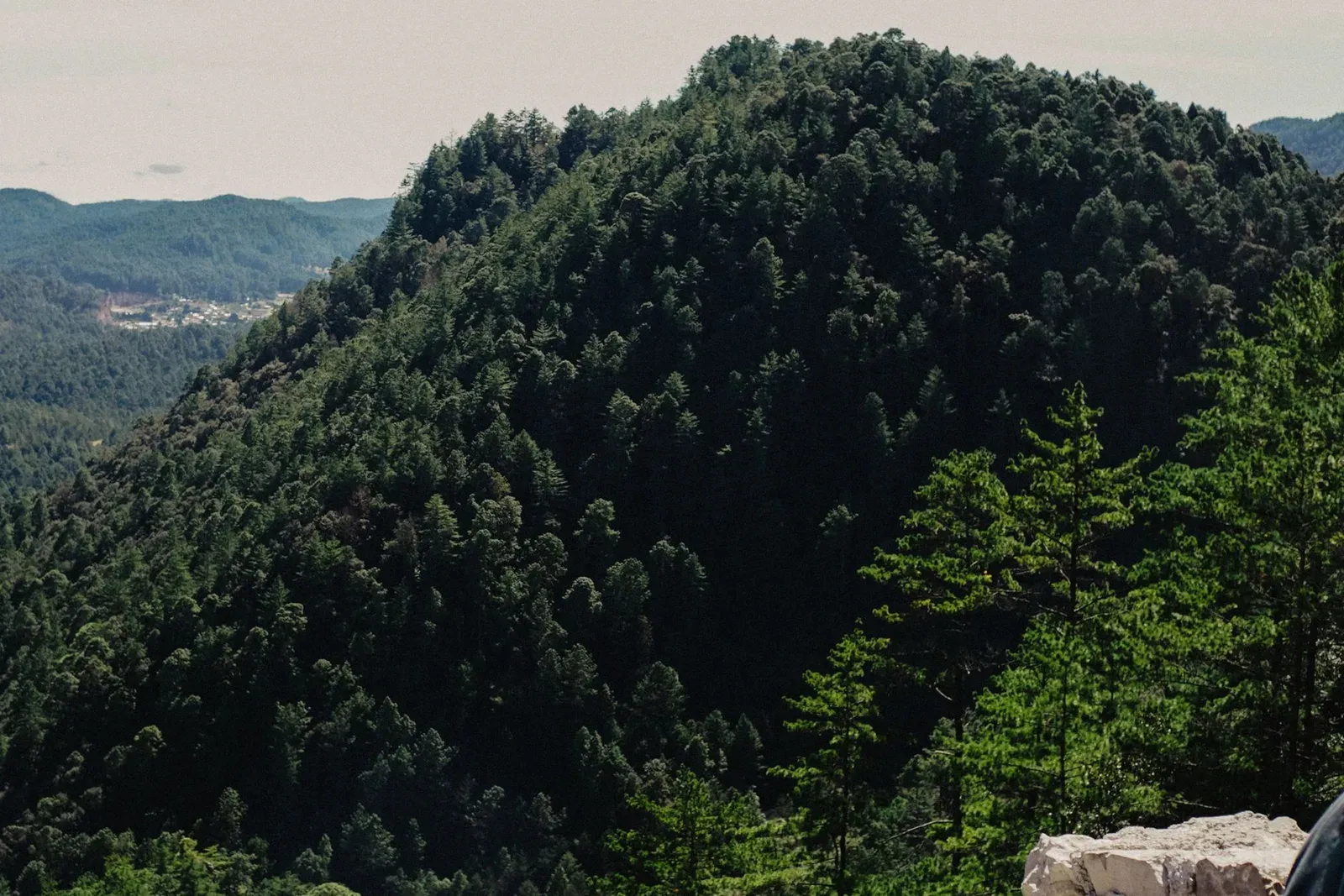
Mexico grows coffee on the southern mountain ranges, mostly on farms of two hectares or less, and mostly under a canopy of native trees. For decades the crop crossed the border as an anonymous organic blender. That is changing, but slowly, and the reasons are structural rather than agricultural.
Where it grows
Chiapas, along the Guatemalan border and on the Soconusco slopes, is about a third of national production and holds the highest farms. Veracruz is the oldest producing state, with lower altitudes and a softer cup. Oaxaca, Puebla and Guerrero are smaller, higher and more fragmented, with many indigenous cooperatives.
Organic by structure, not by marketing
Mexico became the world’s largest organic producer for a practical reason: a smallholder who cannot afford chemical inputs is already farming organically, and cooperatives found that certification turned that into a price premium. The same cooperatives brought the first fair trade certifications in the 1980s. Certification is a floor, not a quality grade, but here it funded the wet mills and the training that specialty lots came out of later.
The migration problem
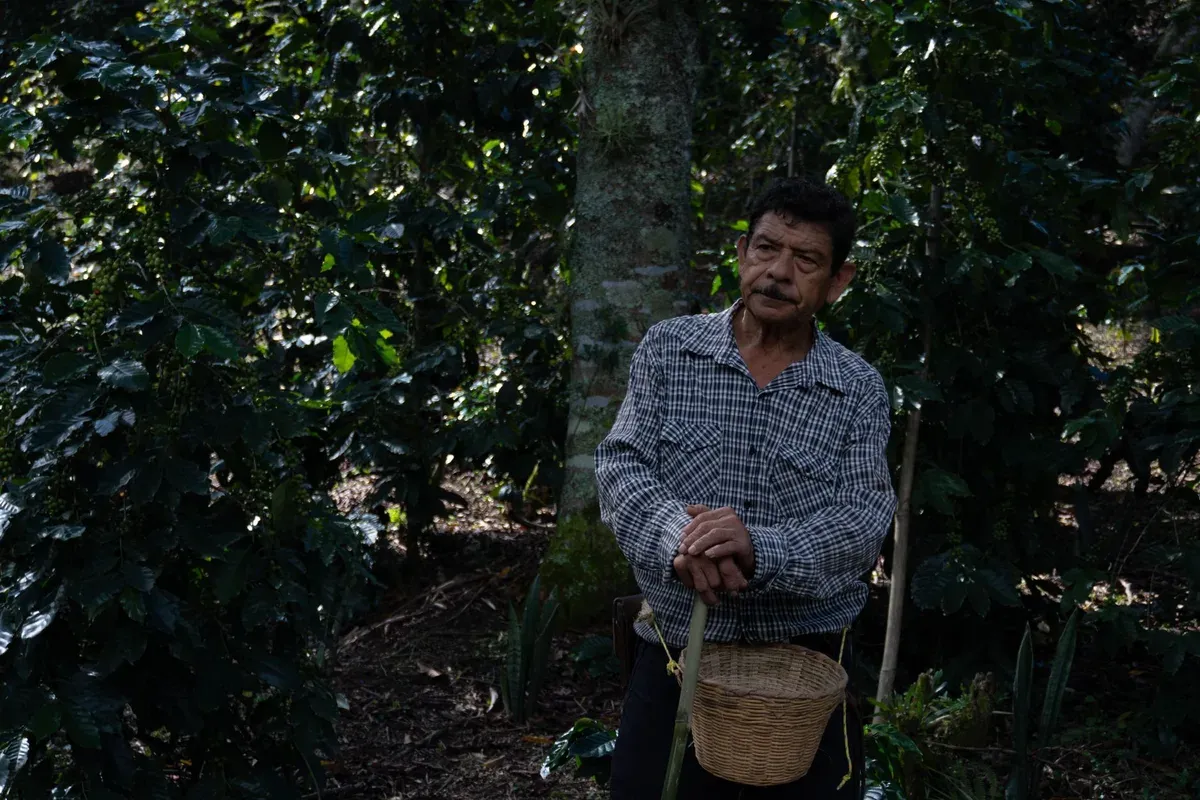
Picking wages compete with a border a few hundred kilometres north, and many farms lose their labour in harvest season. Ageing trees, low renovation rates and hurricane damage on the Gulf side compound it. Mexico’s specialty upside is real, and it is limited by who is available to pick ripe rather than by what the land can do.
What the cup does
Milk chocolate, almond, light citrus, a soft acidity and a body that stays polite. Chiapas at 1500 m and above gets more structure and a clearer orange note. It is a coffee that flatters a light drinker rather than impressing a cupper, which is exactly why it disappears into blends.
Brewing it
Filter at 1:16 and 93 °C, medium grind. It suits an automatic brewer better than most origins, because a gentle profile has nothing sharp to expose. Medium roasted it makes a mild, nutty espresso, and it is a good decaf candidate: the profile survives the process better than a delicate floral one does.