Whole bean coffee
Why whole bean wins on every measure that matters, and how to store it so it stays that way.
Beans, grounds, capsules and what separates commodity coffee from specialty.
The single biggest upgrade available to most people is not a machine. It is fresher coffee, ground closer to the moment you brew it.
9 explore
Why whole bean wins on every measure that matters, and how to store it so it stays that way.
Pre-ground coffee done as well as it can be done, and the methods that forgive it most.
Original, compatible and refillable capsules compared on cost, taste and what they leave behind.
What the 80-point threshold means, what it does not mean, and who is actually doing the scoring.
The species behind almost all specialty coffee, its varieties, and why it is the fragile one.
Higher caffeine, heavier body, and a fine robusta revival that deserves a second look.
Why a roaster blends at all, and the cases where a blend genuinely beats a single origin.
One farm, one washing station, one harvest, and what that traceability actually buys you.
Swiss Water, sugarcane EA and CO2: how decaf got good, and how to buy one that tastes of coffee.
Featured
What to buy, at every budget, and why.
What a good roaster's site tells you, sensible prices per kilogram, bag size against how much you drink, subscriptions, shipping and rest, and the red flags.
Which coffee to buy for espresso, filter, French press, moka, cold brew and milk drinks: roast level, process, origin, blend or single origin, and rest.
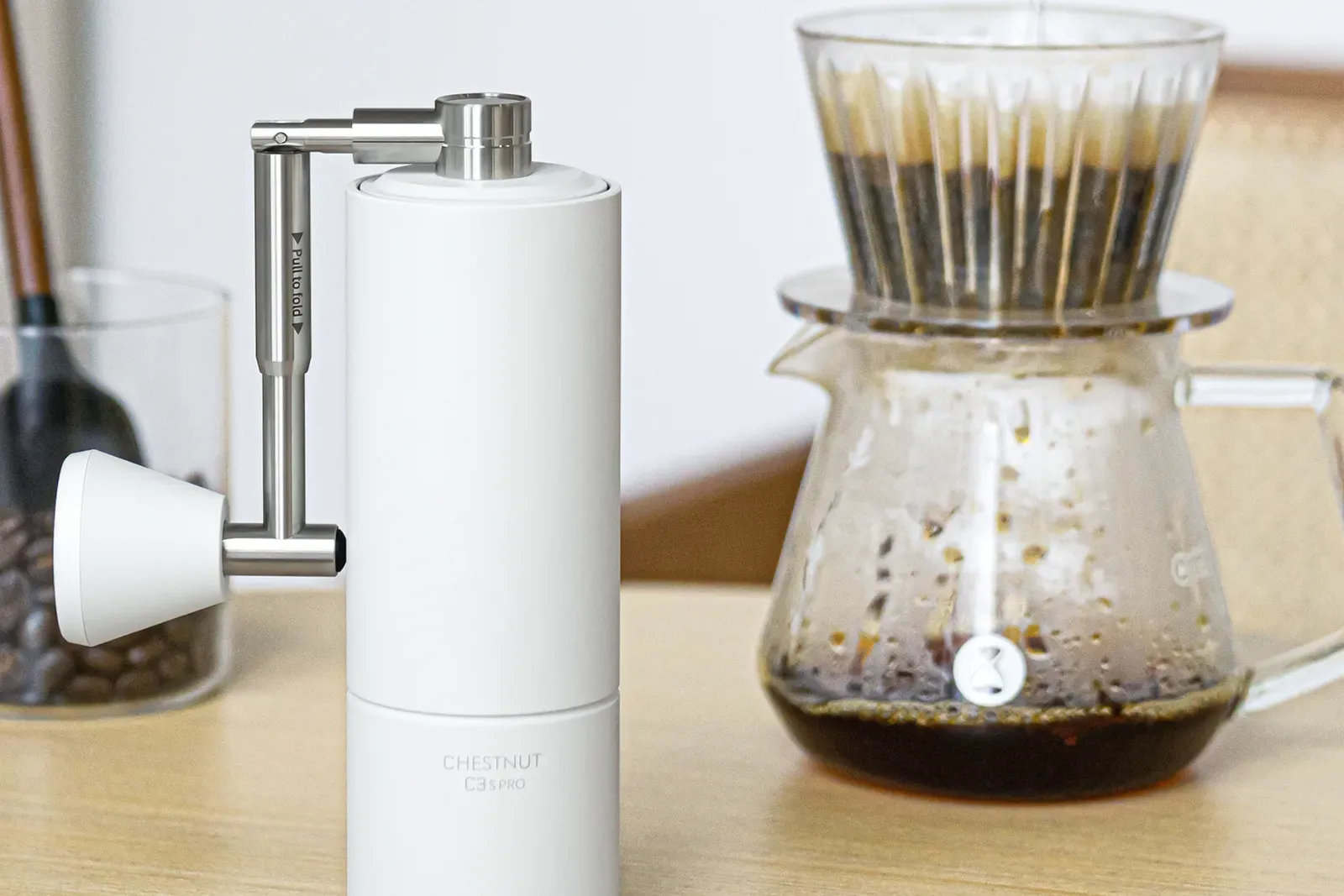
Coffee gifts from about $25 to a real treat: a V60, a proper scale, a hand grinder, a kettle, and what to find out first so the gift gets used.
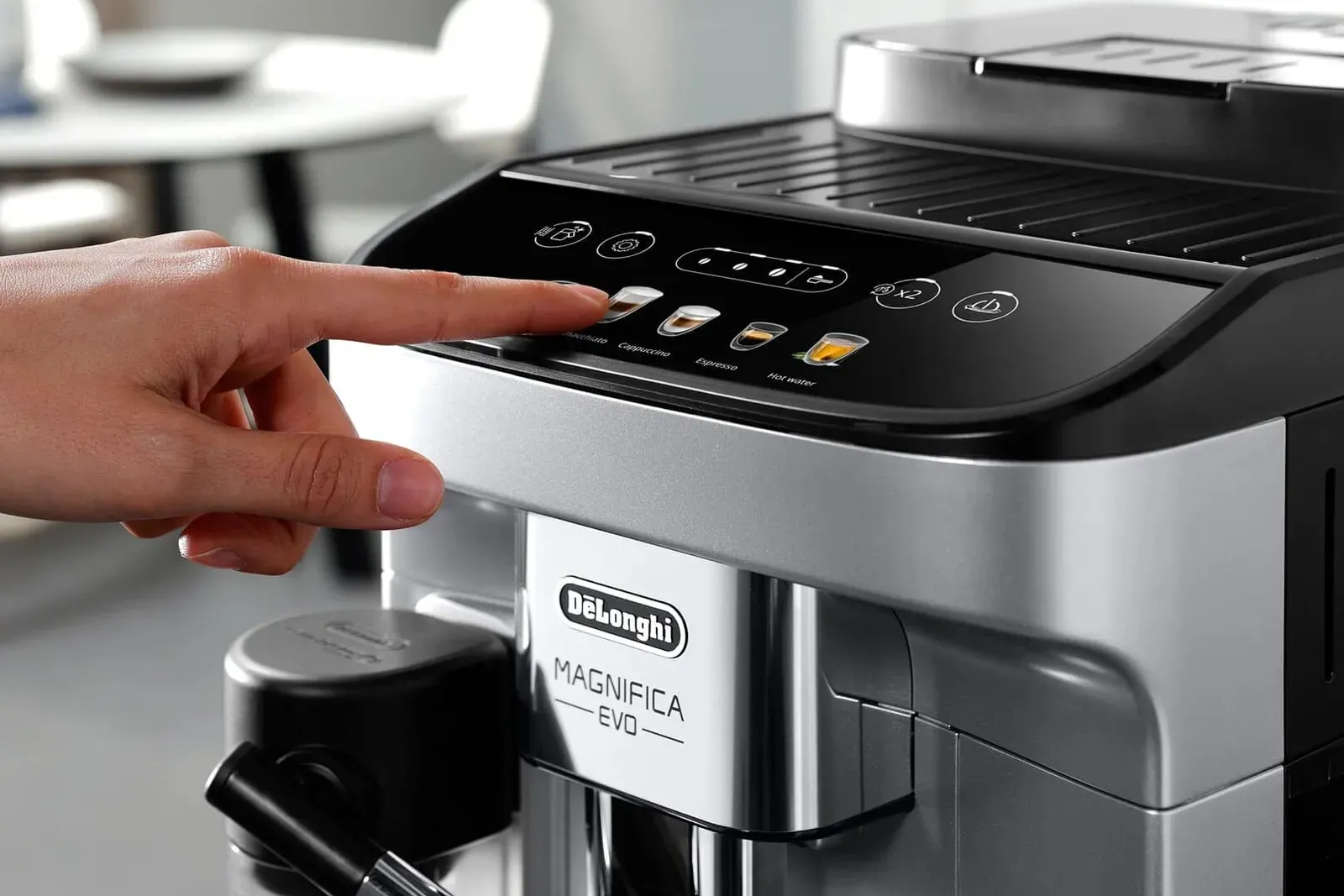
What leaving capsules for whole beans really costs and saves per cup, what you gain and lose, and three ways to do it depending on the effort you accept.
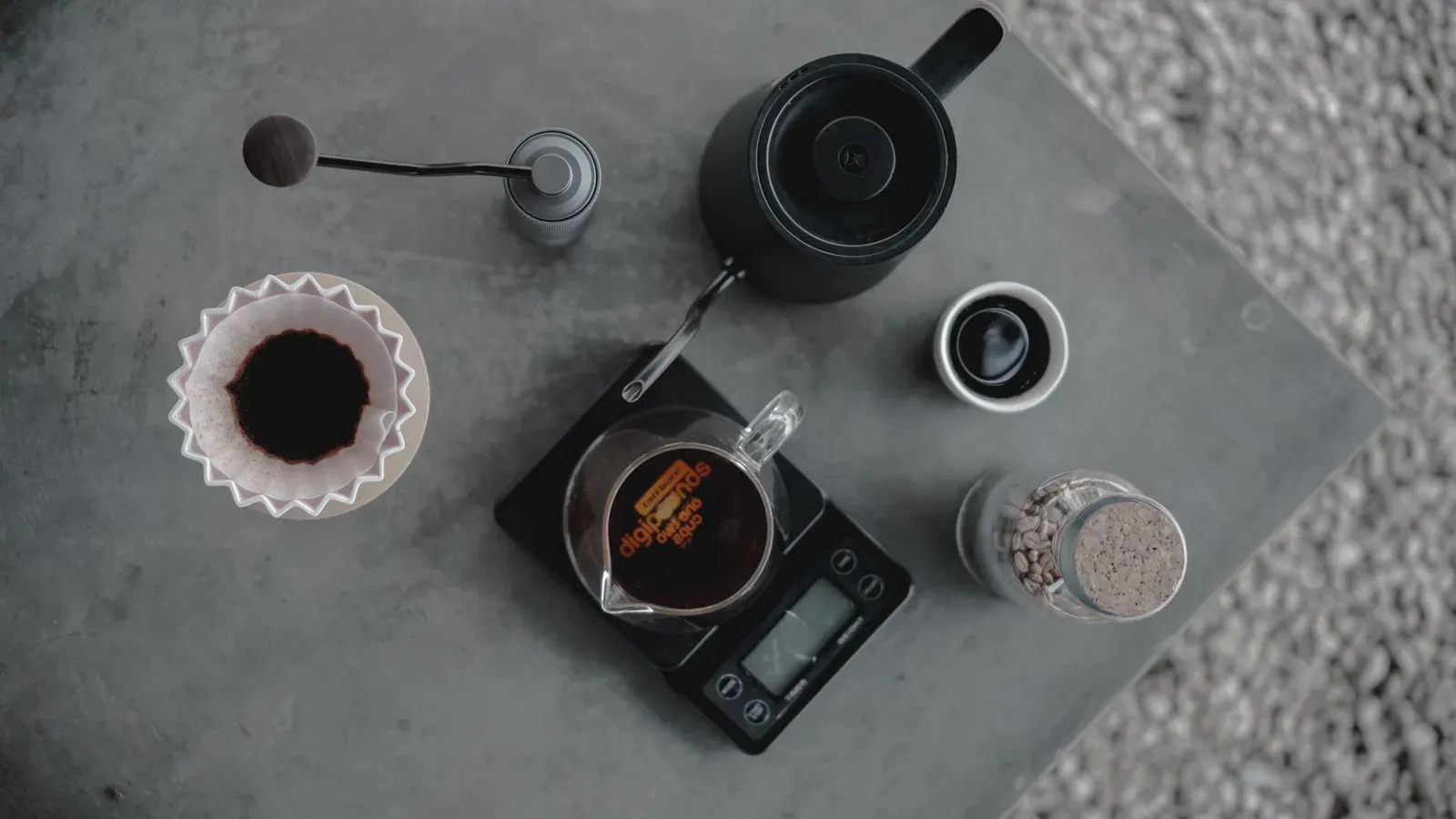
What to buy, in what order, if you are starting with nothing. Four tiers, from a $60 kit to a full espresso bar.
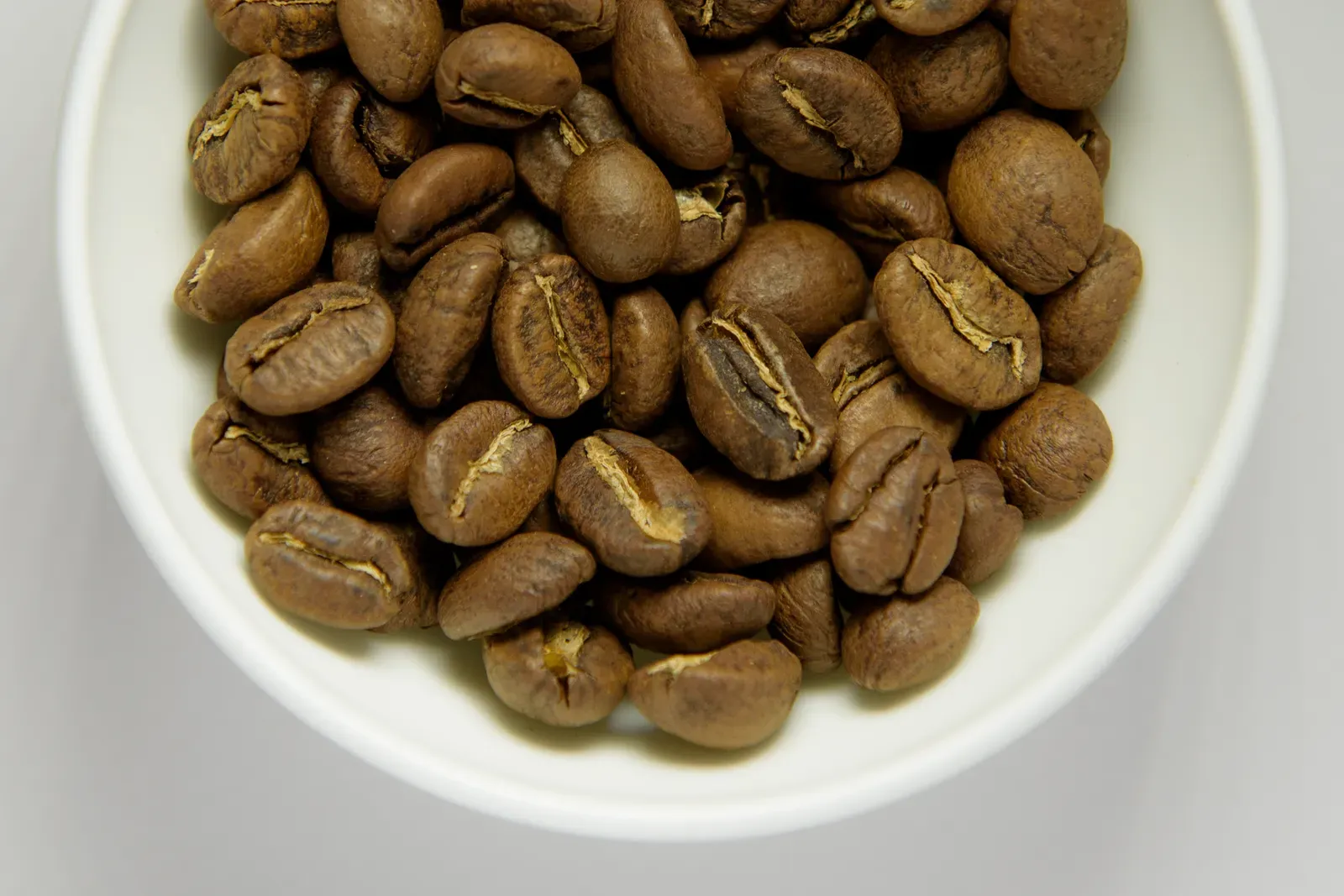
Roasted coffee is full of carbon dioxide for days. How long to rest beans for filter and for espresso, and what a bag that is too fresh does to the cup.
The protocol professionals use to taste coffee, stripped to what works on a kitchen table, and what it is actually good for.
A double espresso holds less caffeine than a mug of filter, and roast level barely matters. The numbers, and where the intuitions go wrong.
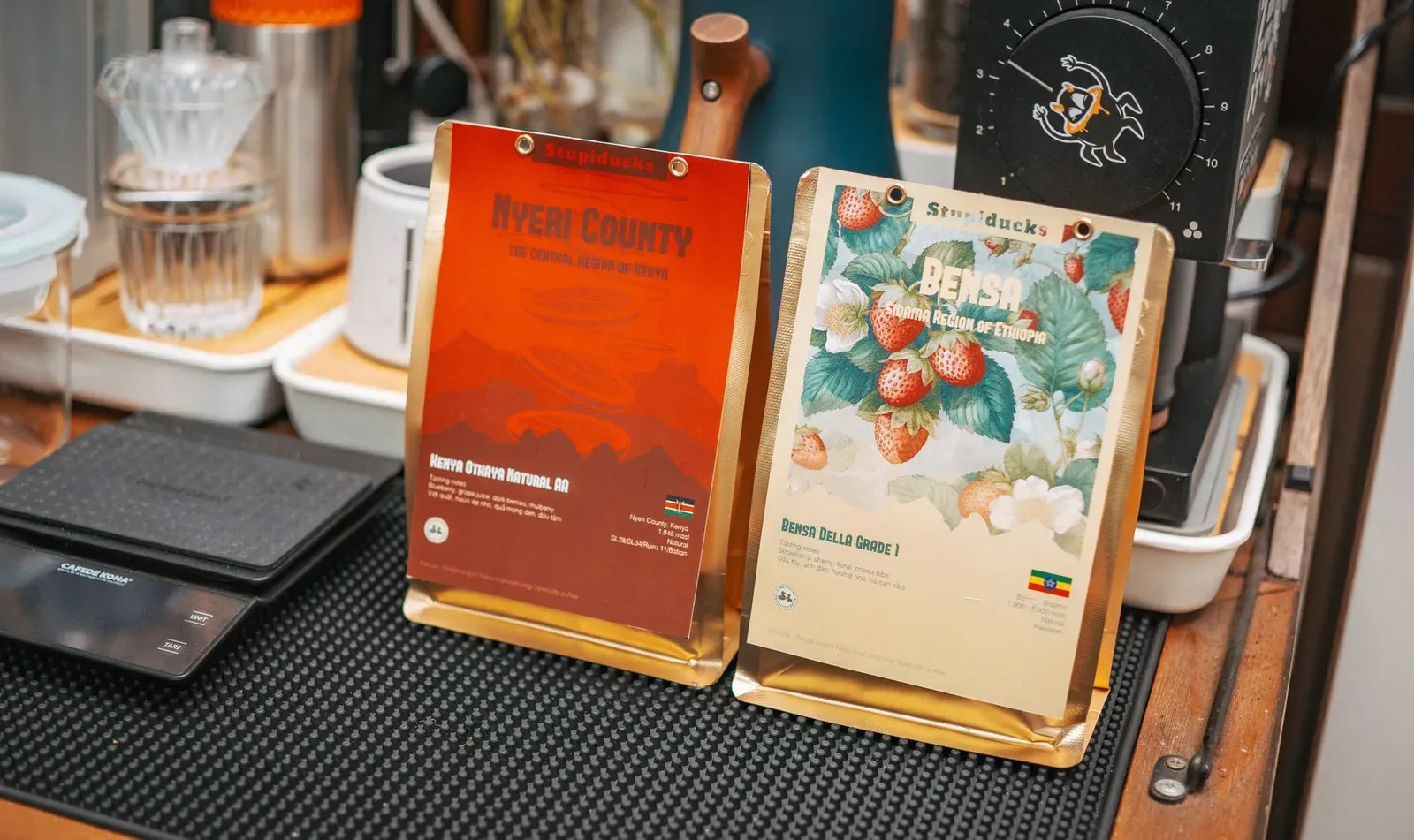
Roast date, process, altitude, varietal and the tasting notes: what each line on a bag is actually claiming, and which ones are worth paying for.
Oxygen, heat, light and moisture are what stale a bag of coffee. Here is what each one does, and what actually protects against them.
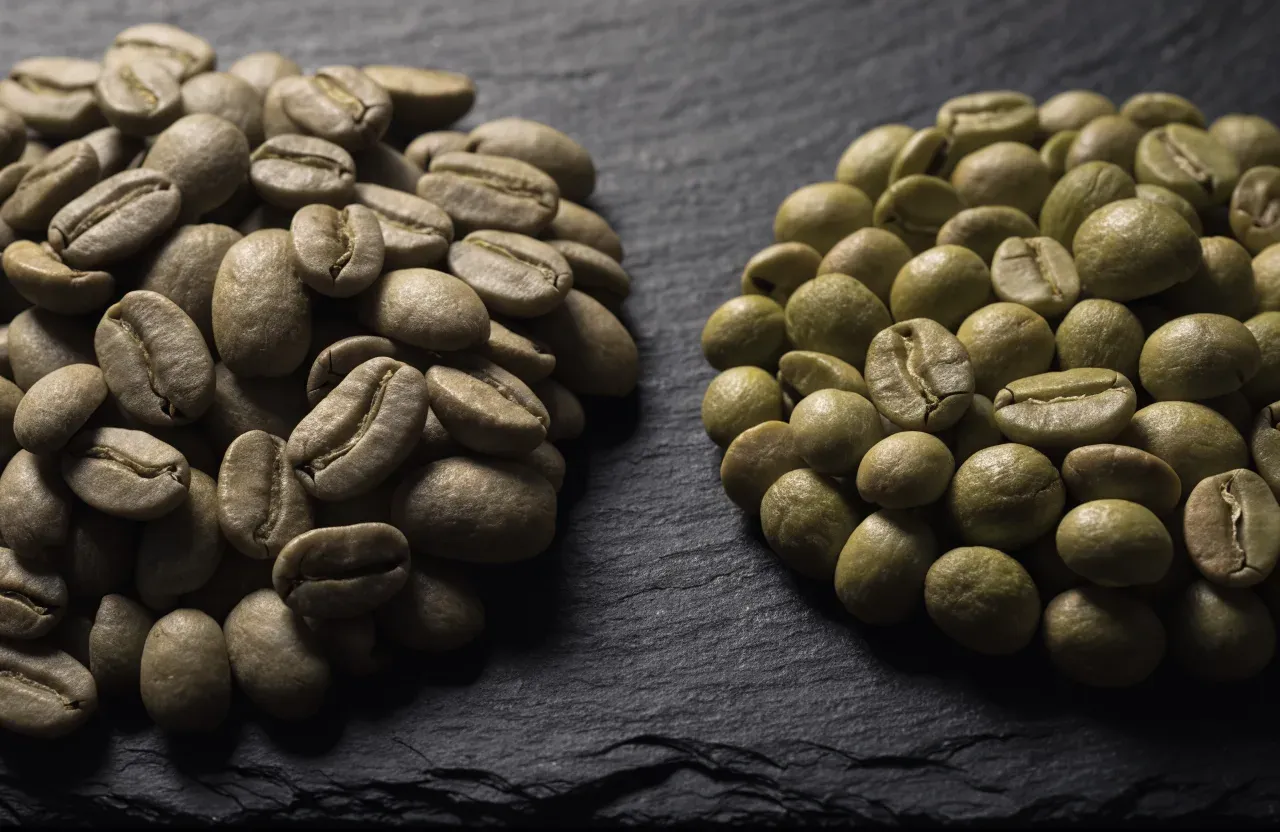
Two species, one long-running argument. What actually differs between them, why robusta earned its reputation, and where a percentage of it improves a blend.