Espresso machines
Pump-driven machines that pull a real 9-bar shot, from a first lever to a plumbed-in dual boiler.
Every kind of machine, from a €30 moka pot to a plumbed-in dual boiler.
The machine is the loudest decision in your setup and rarely the most important one. This section covers what each category actually does, who it suits, and where the money stops buying better coffee.
8 explore
Pump-driven machines that pull a real 9-bar shot, from a first lever to a plumbed-in dual boiler.
Grind, dose, brew and steam milk at the press of one button, and what that button costs in the cup.
Lever and hand-pump machines where you control the pressure curve yourself.
Closed-system machines: consistent, convenient, and locked to one supplier.
Soft-pod systems, the low-pressure cousin of the capsule machine, and the ESE standard that outlived the rest.
Multi-group, plumbed, commercial equipment, plus the prosumer machines that borrow from it.
Small-footprint machines for kitchens that have run out of counter, and what you give up to save the width.
Machines with a grinder built in: what the convenience is worth, and where the built-in burrs hold them back.
Featured
What to buy, at every budget, and why.
Moka pot sizes in real millilitres, aluminium against stainless steel, induction, the Brikka's valve, electric models, and the gasket you will replace.
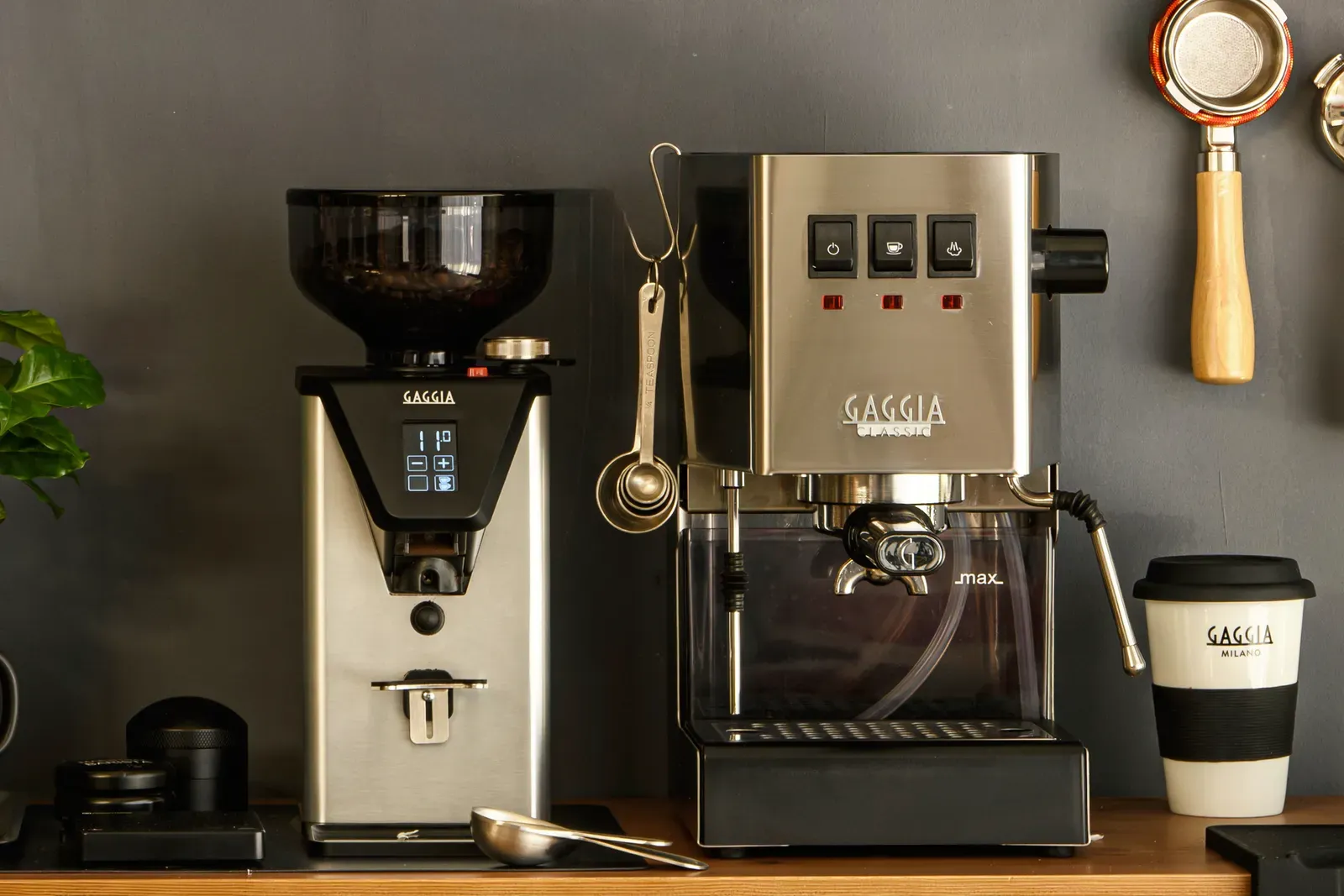
Five questions to answer before you look at a single model: milk, involvement, boiler, space and water, and the real budget once the grinder is counted.
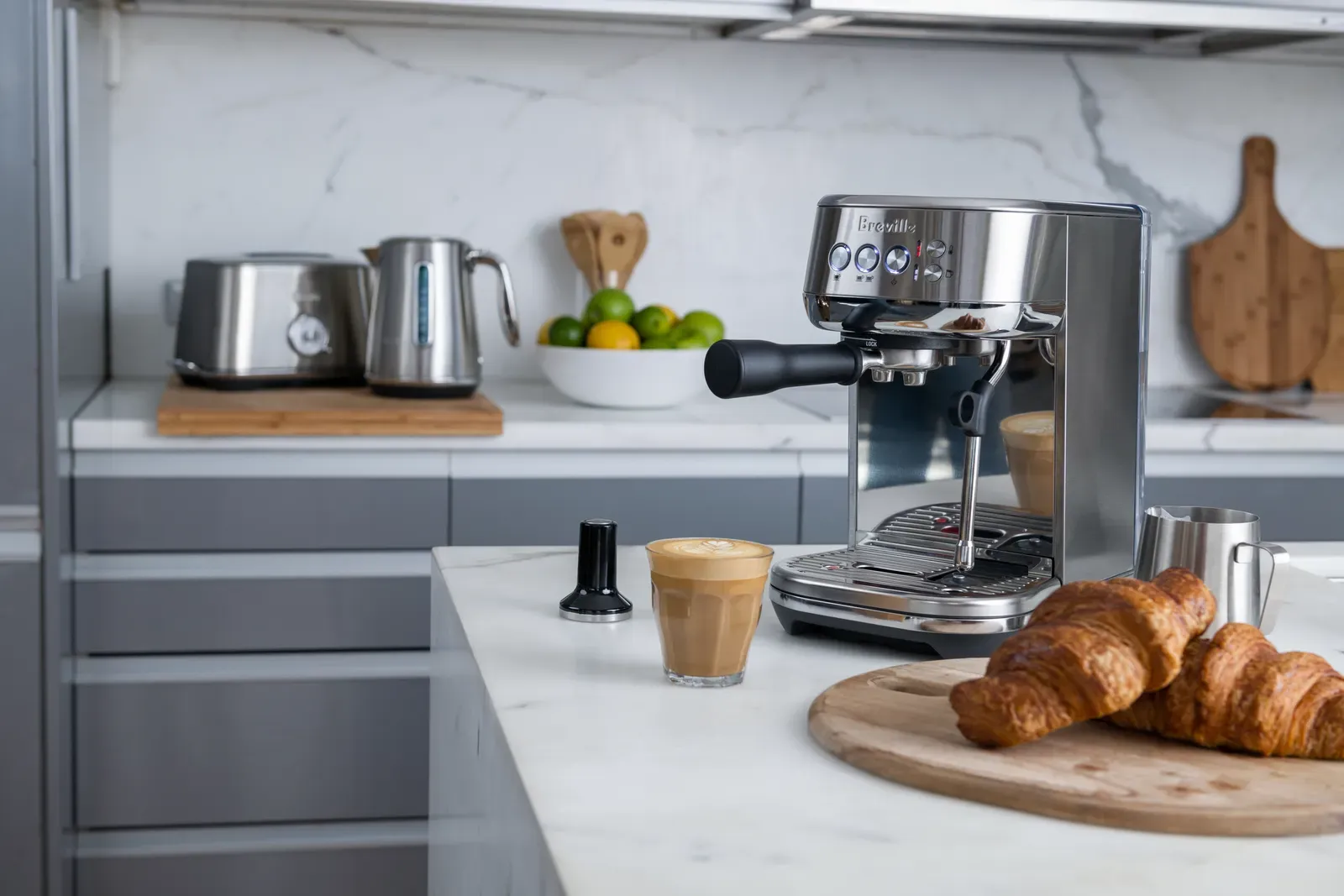
Three machines under $500 and three different trades: the Gaggia to learn on, the Bambino Plus for milk, the Dedica to start. Plus the grinder you need.
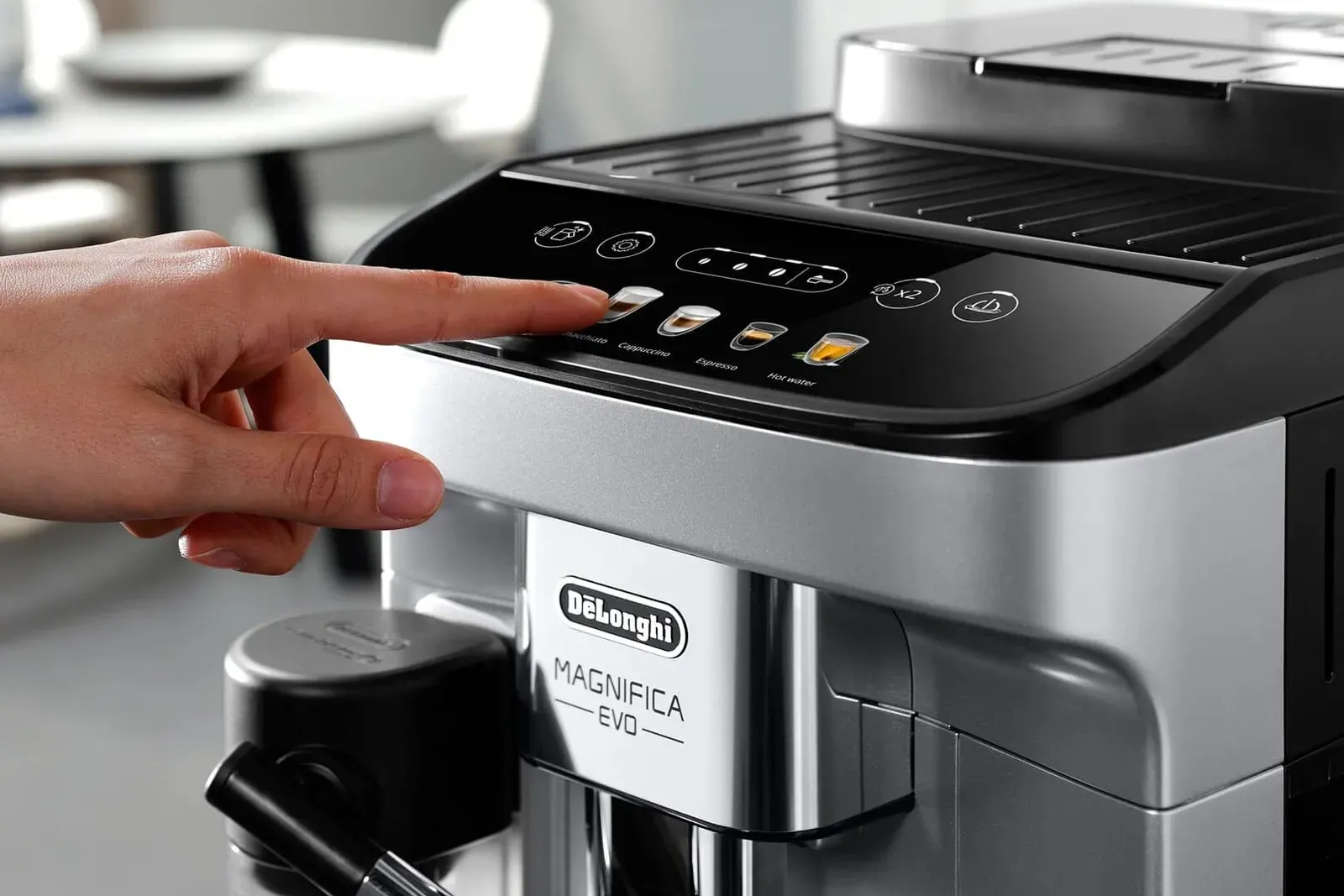
What leaving capsules for whole beans really costs and saves per cup, what you gain and lose, and three ways to do it depending on the effort you accept.
A café dual boiler cut down for a kitchen. What the Linea Micra actually changes in the cup, who it is for, and who should keep their money.
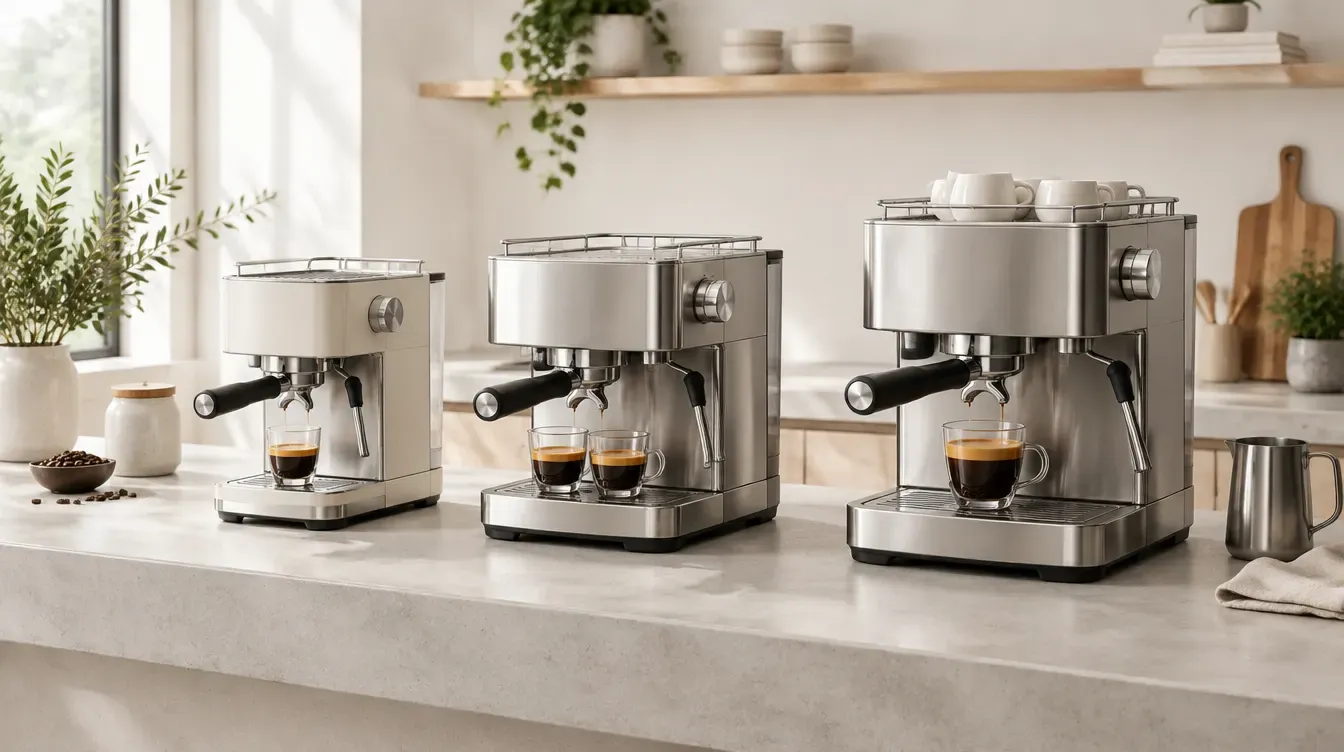
Every machine here has pulled shots on our bench. Picks by budget, with the compromises each one asks you to accept stated plainly.
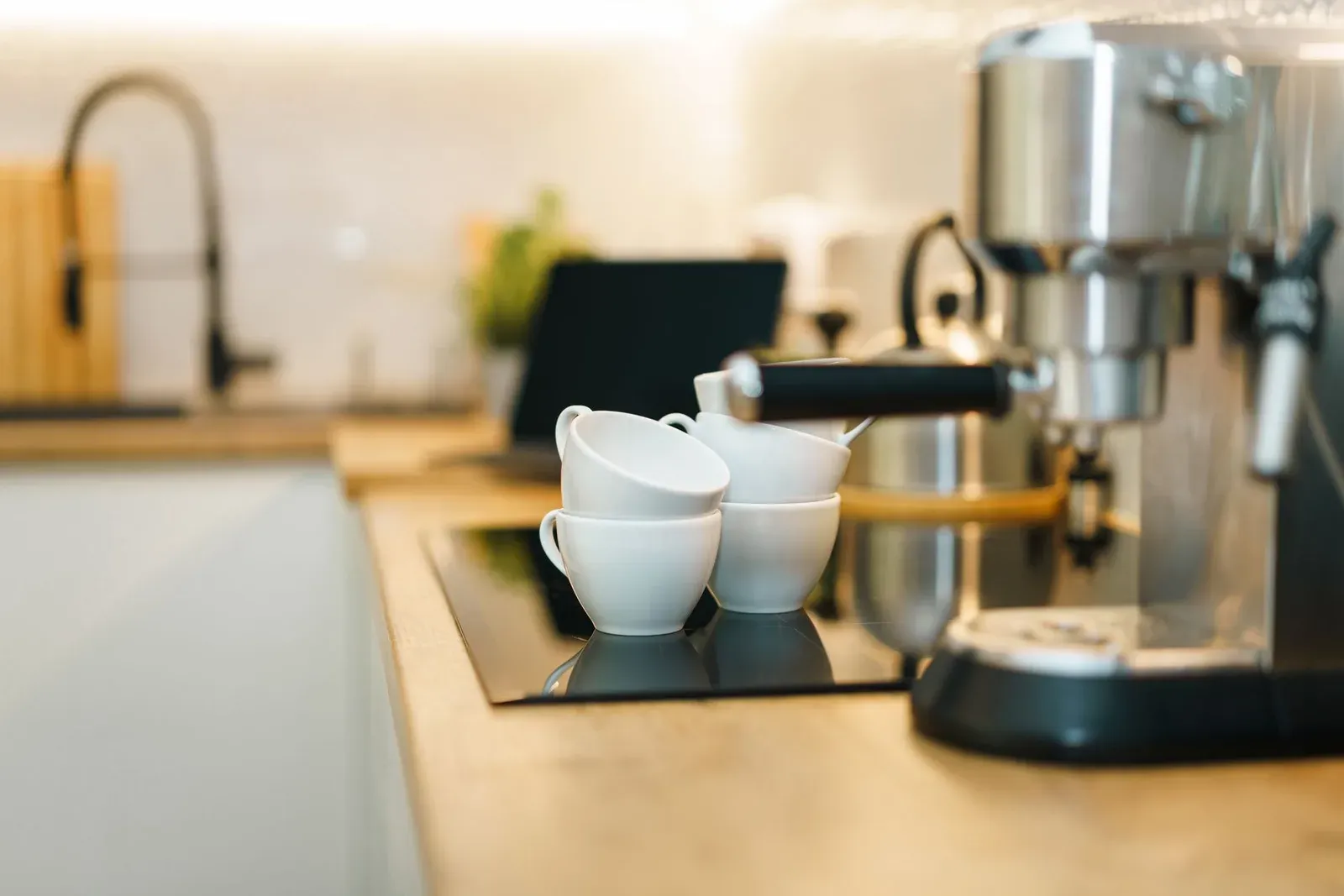
Small machines used to mean bad espresso. The compact category grew up, and the compromises moved somewhere more sensible.
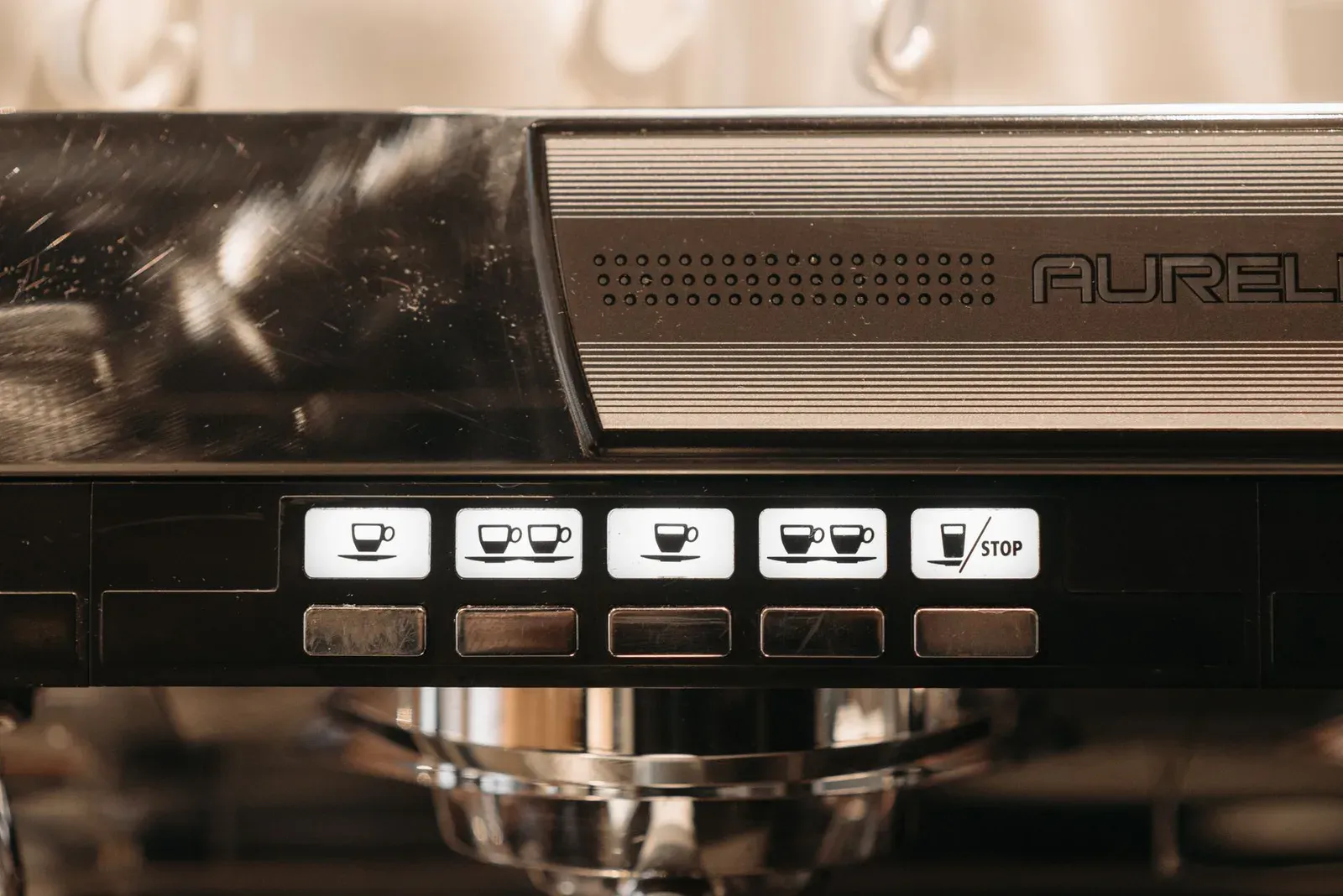
How a bar machine decides when to stop a shot, why volumetric dosing drifts, and what a paddle gives back to the person holding it.
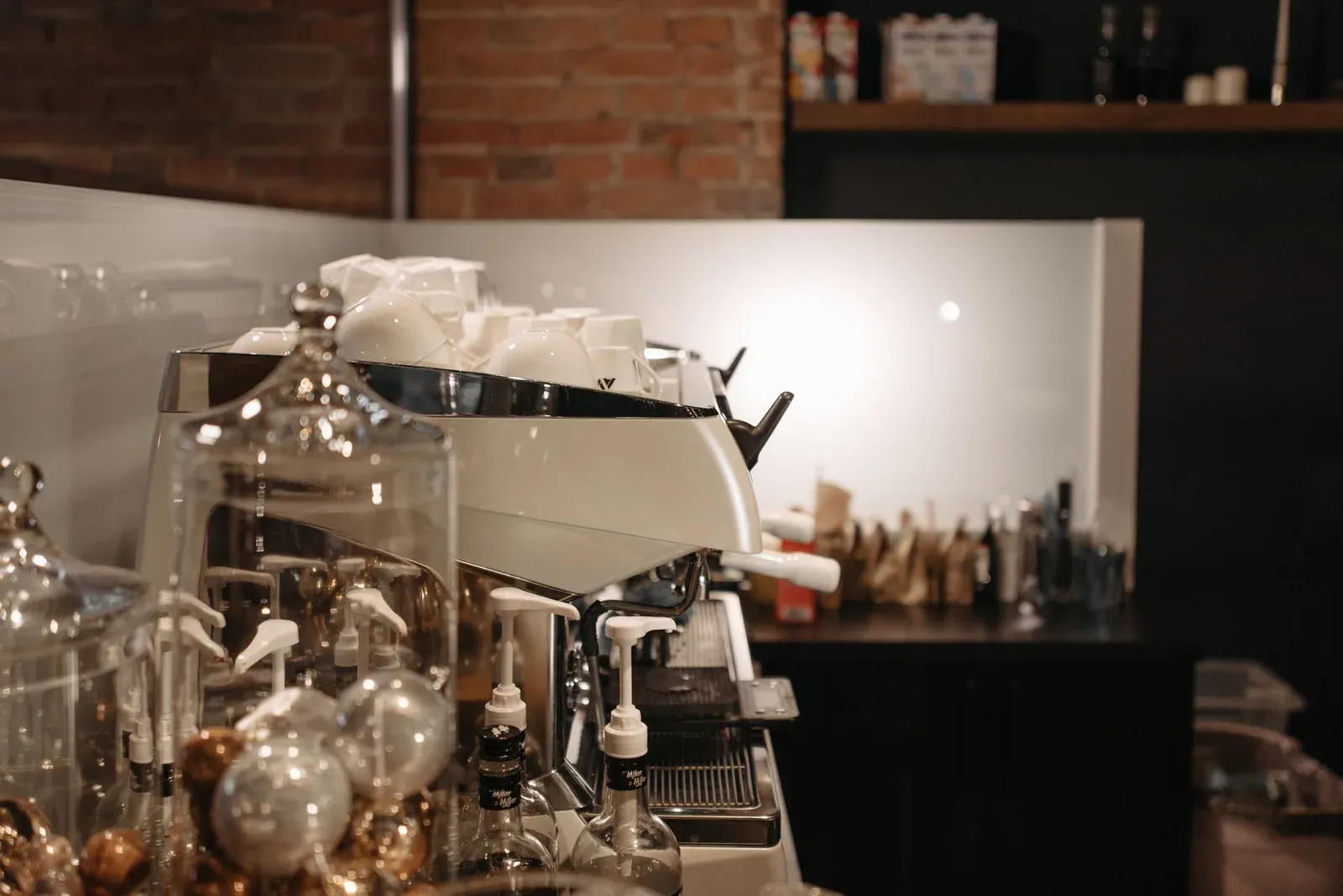
Power, plumbing, drainage and heat: what a bar machine actually demands of a kitchen, and when the answer is to buy a smaller machine instead.
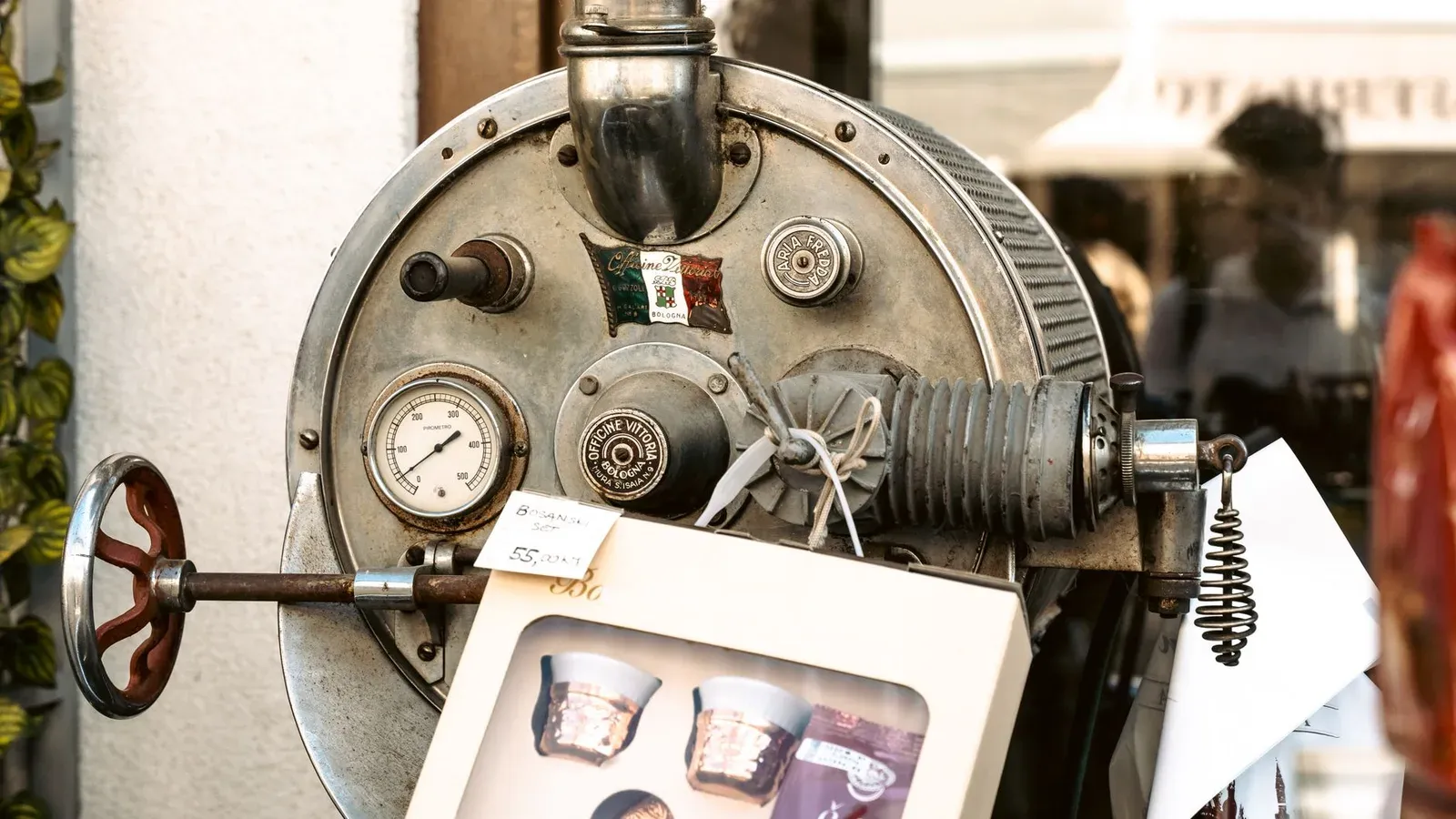
A fifty-year-old lever machine is mostly brass, a spring and four seals. Here is the order to work in, and the two faults that mean walk away.
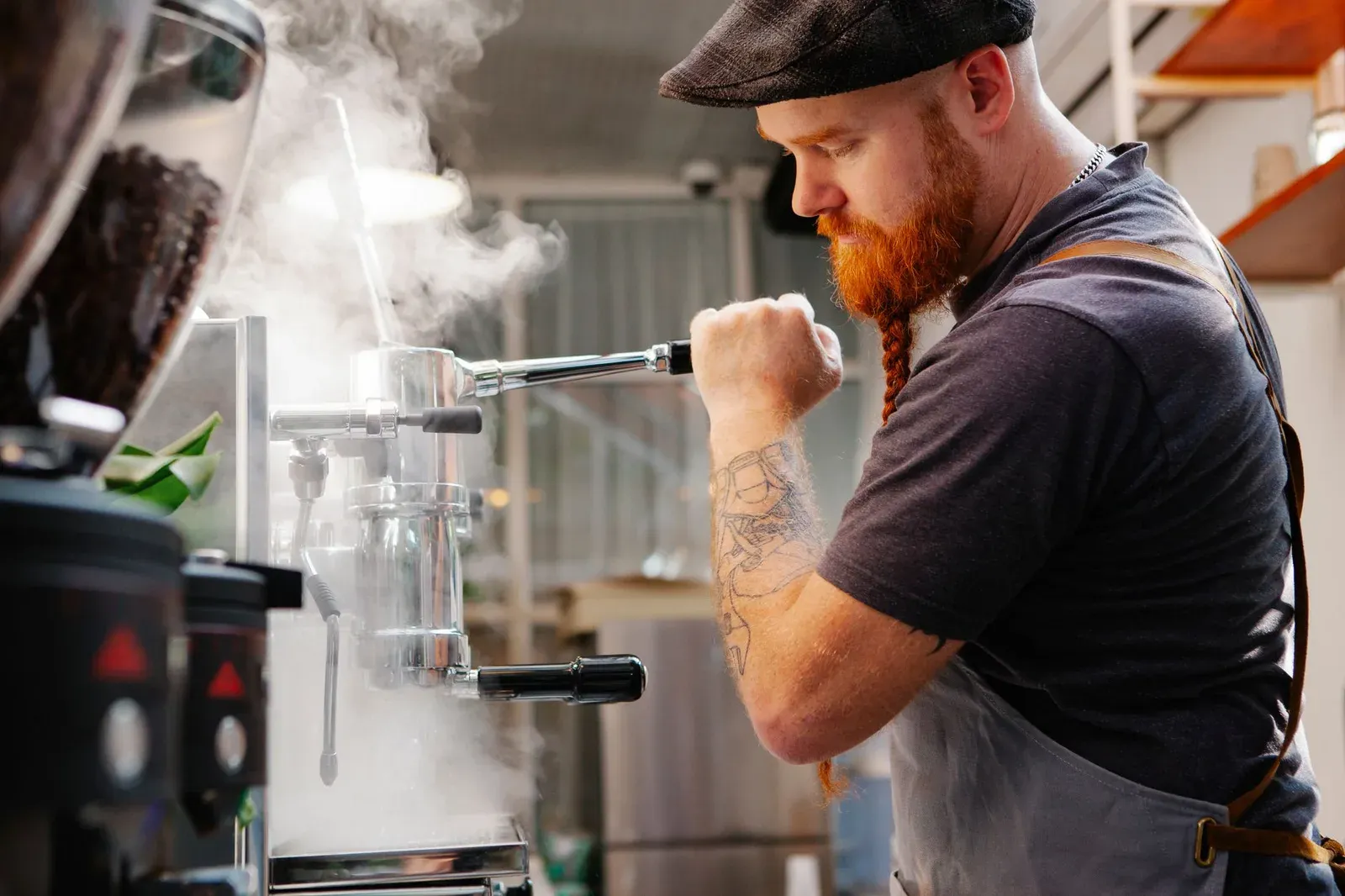
A spring lever pulls a curve the machine decides. A direct lever pulls the curve your arm decides. That single difference sorts every lever machine sold.
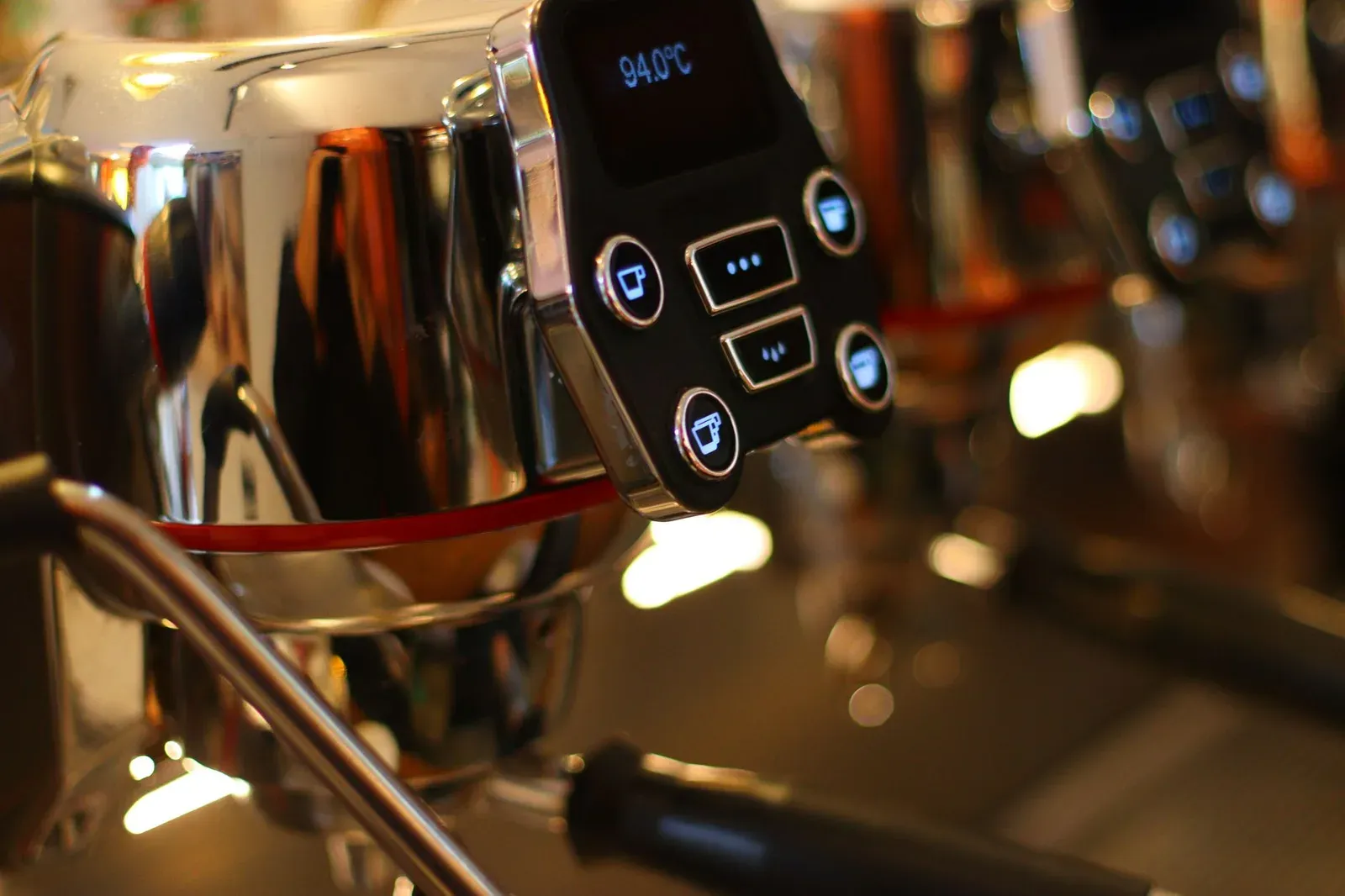
A PID holds brew temperature to a fraction of a degree. That matters for a light roast and a repeatable shot, and much less for a dark roast in milk.
Hands-on tests measured on the bench, and first looks at kit we have not tested yet, marked as such and never scored.
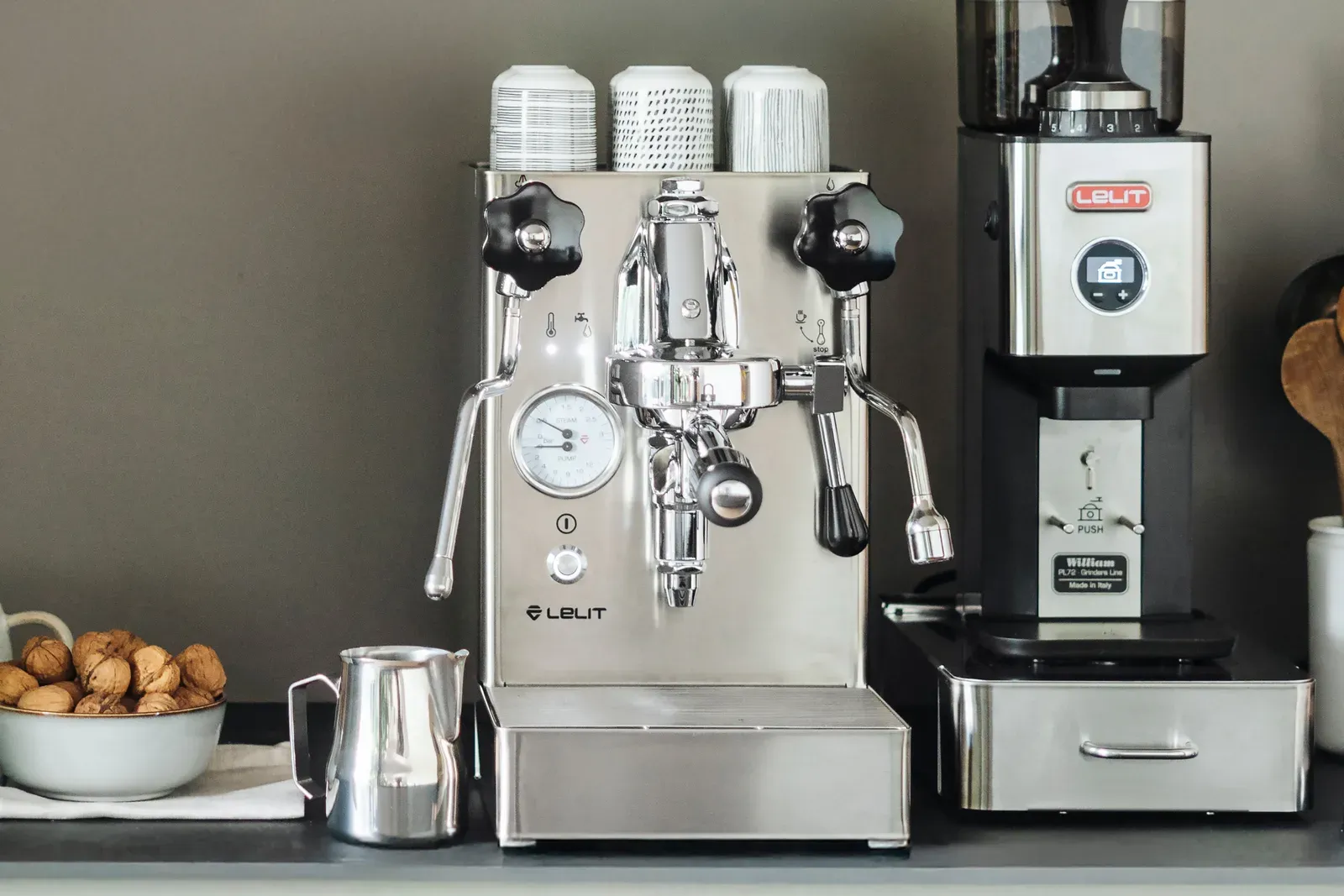
First look
A heat exchanger that watches its own brew temperature. What the Mara X V2's two probes, 1.8 L boiler and 58 mm group promise, and who it suits.
First look
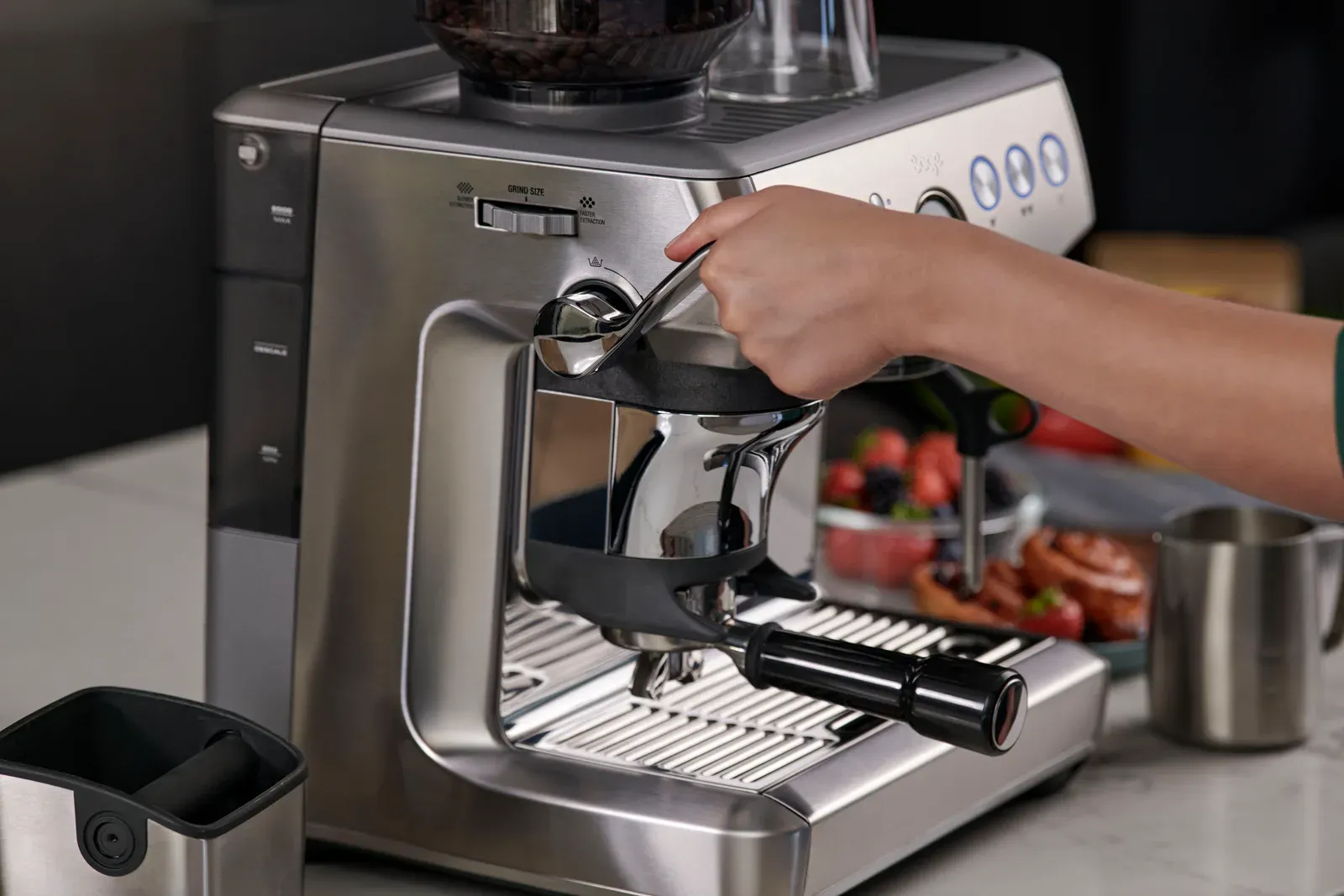
A Barista Express that doses and tamps for you: what the lever, the 25-step grinder and the 54 mm basket mean before you buy one.
Comparisons
We put the same budget into a Baratza Encore ESP and into a De'Longhi Dedica, then tasted the results blind. One of them is not close.