Electric grinders
Burr geometry, motor speed and retention: what actually separates a 100 and a 500 euro grinder.
The component that matters more than the machine it feeds, and how to tell burr quality apart.
Spend the money here first. A modest machine with a good grinder beats an expensive machine with a bad one, every time.
5 explore
Burr geometry, motor speed and retention: what actually separates a 100 and a 500 euro grinder.
Hand grinders that now out-perform electrics costing three times more.
Stepless adjustment, low retention, and why espresso is the hard case.
Uniformity at the coarse end of the range, and the grinders that genuinely deliver it.
A dial-in reference for every method, grinder by grinder, with real click counts to start from.
Featured
What to buy, at every budget, and why.
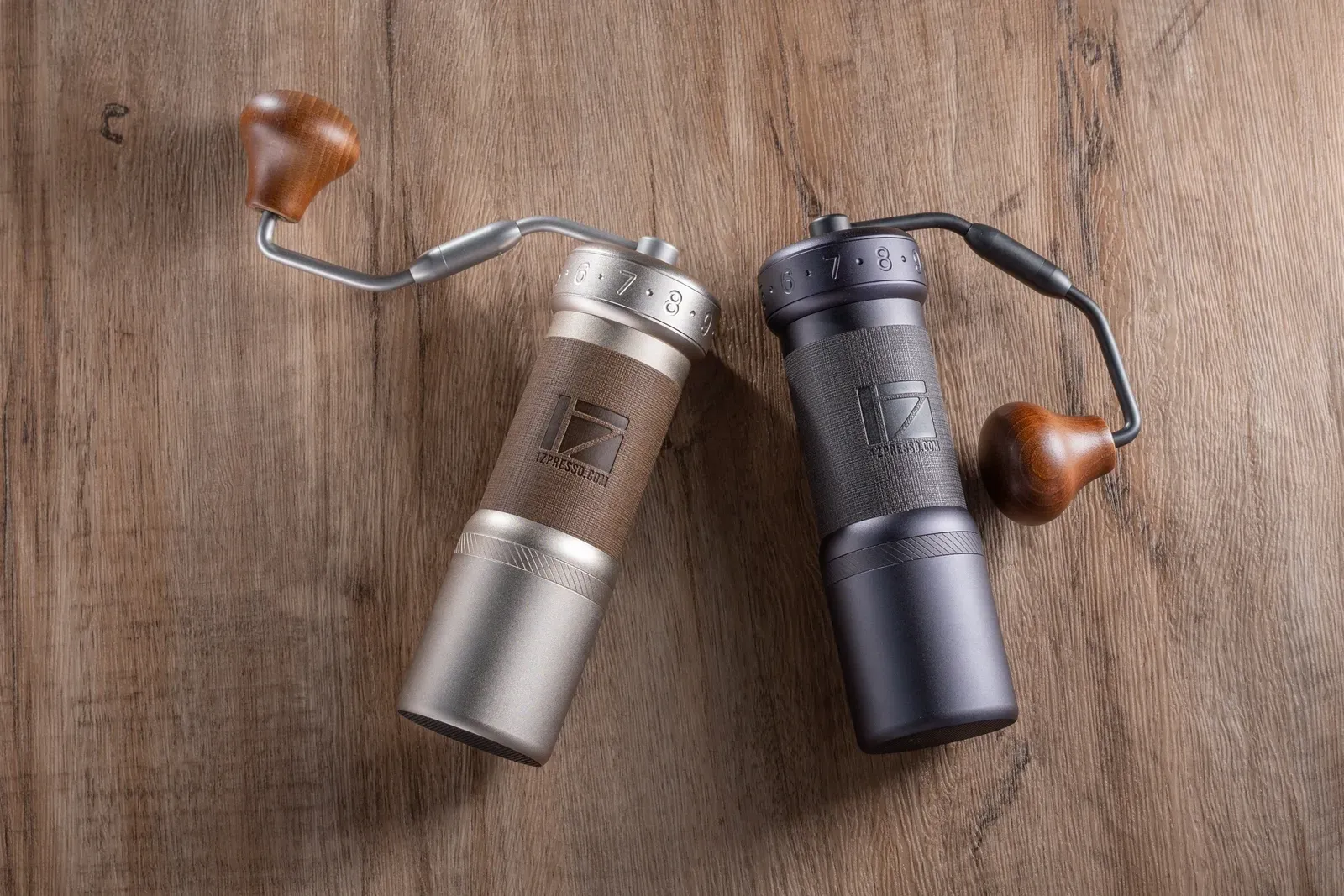
Four hand grinders from about $89 to $289, sorted by budget and then by use: what the extra money buys, and what grinding by hand costs you.
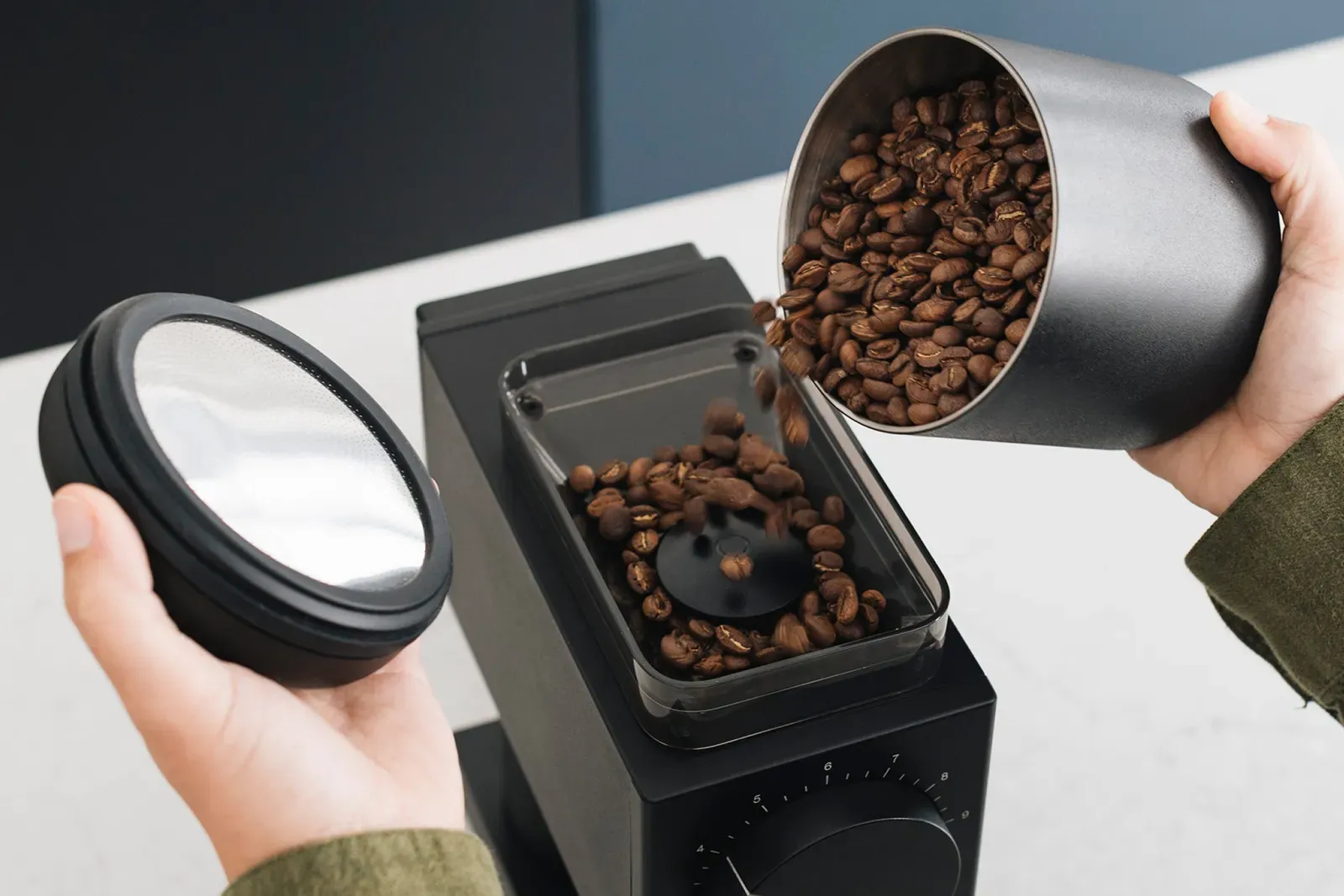
A filter grinder is judged at the coarse end: even particles, few fines, steps where you brew. What that means for burrs, loading and budget.
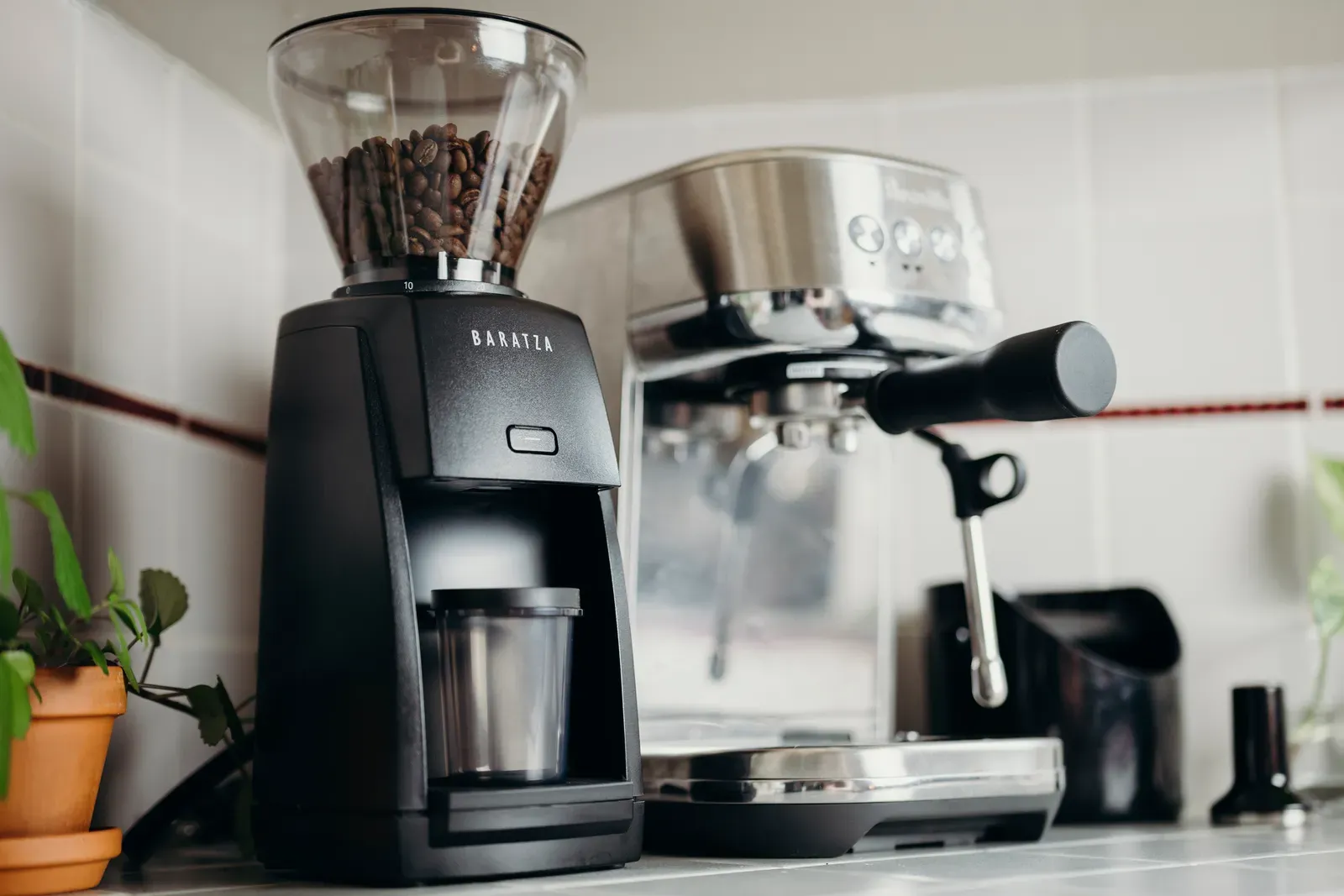
What espresso asks of a grinder that filter does not, from step size to retention, and three ways to answer it between about $199 and $449.
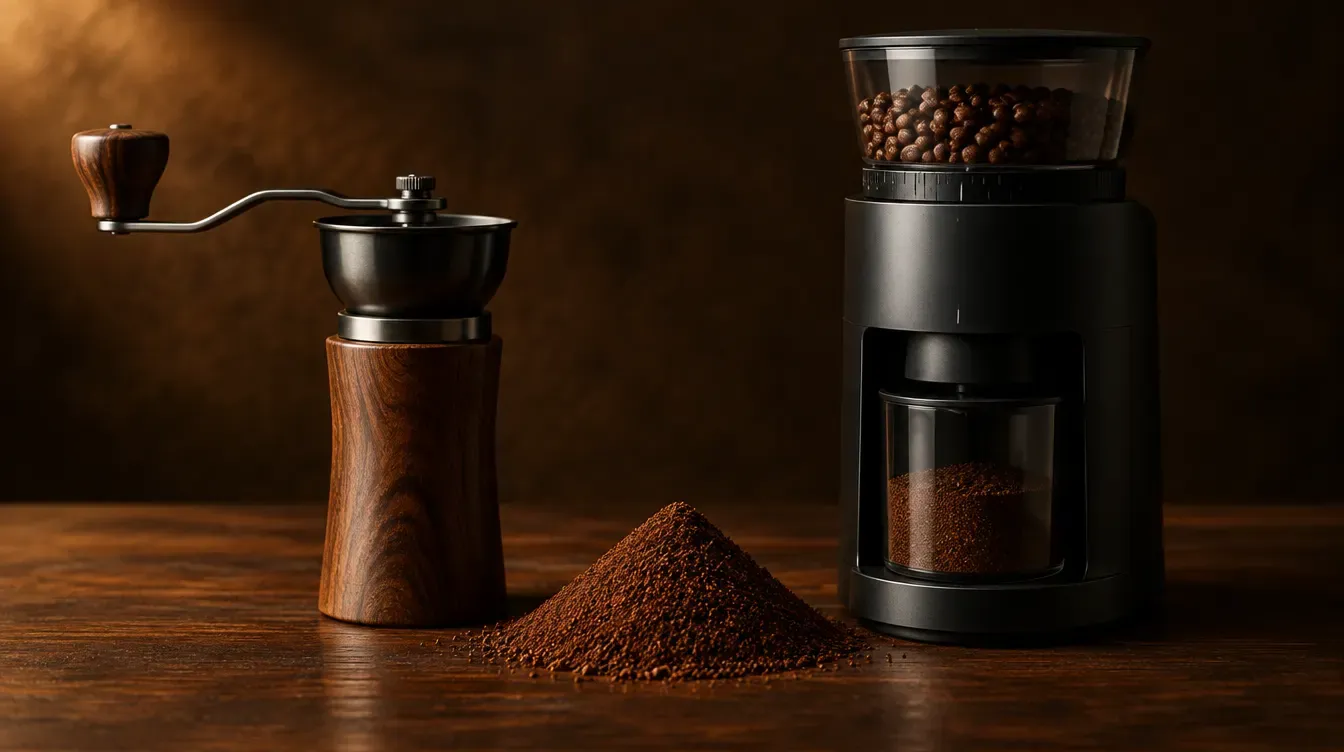
Burr geometry, retention and step size decide what a grinder is good for. Here is which one to buy for espresso, for filter, and for both.
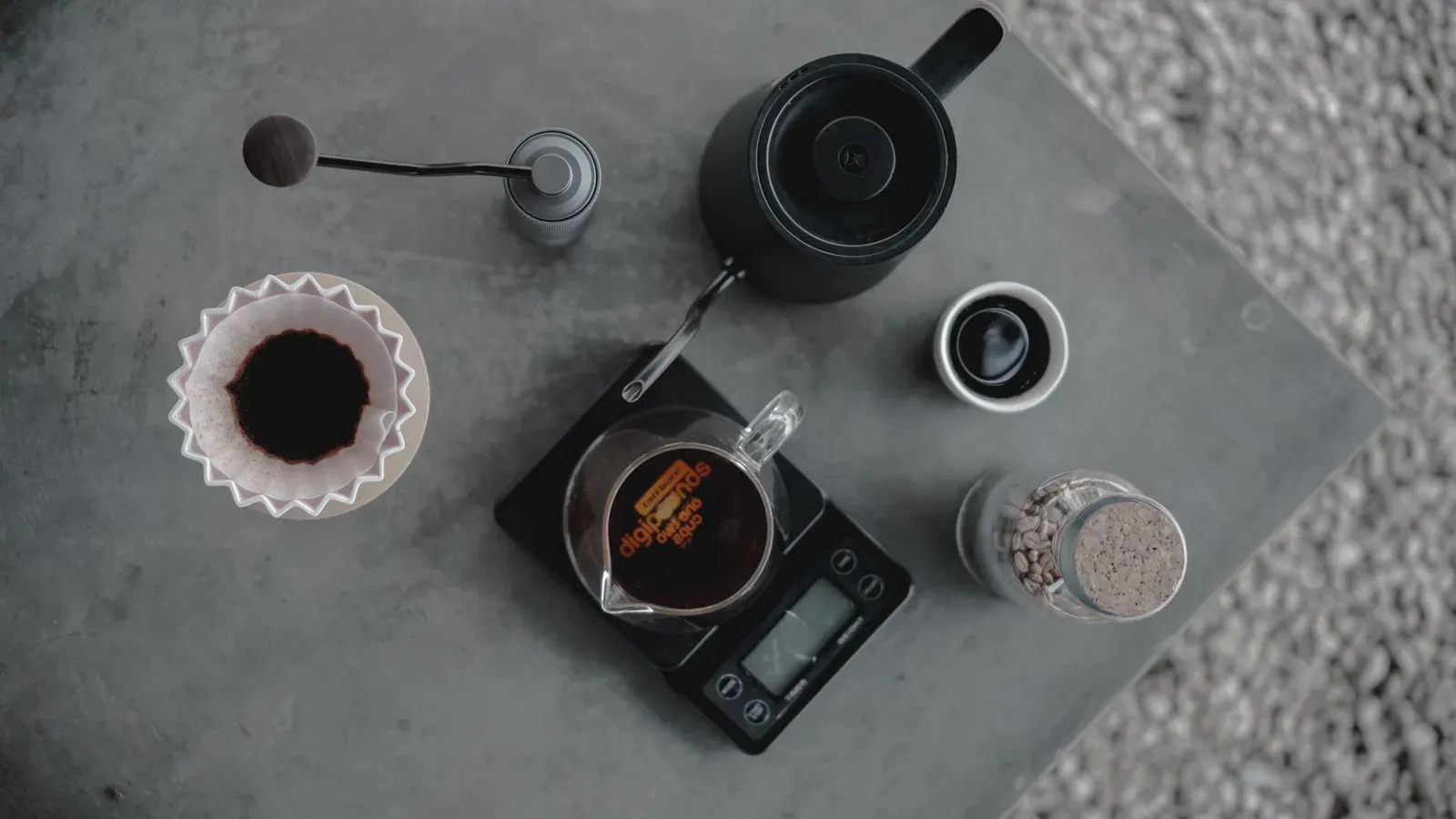
What to buy, in what order, if you are starting with nothing. Four tiers, from a $60 kit to a full espresso bar.
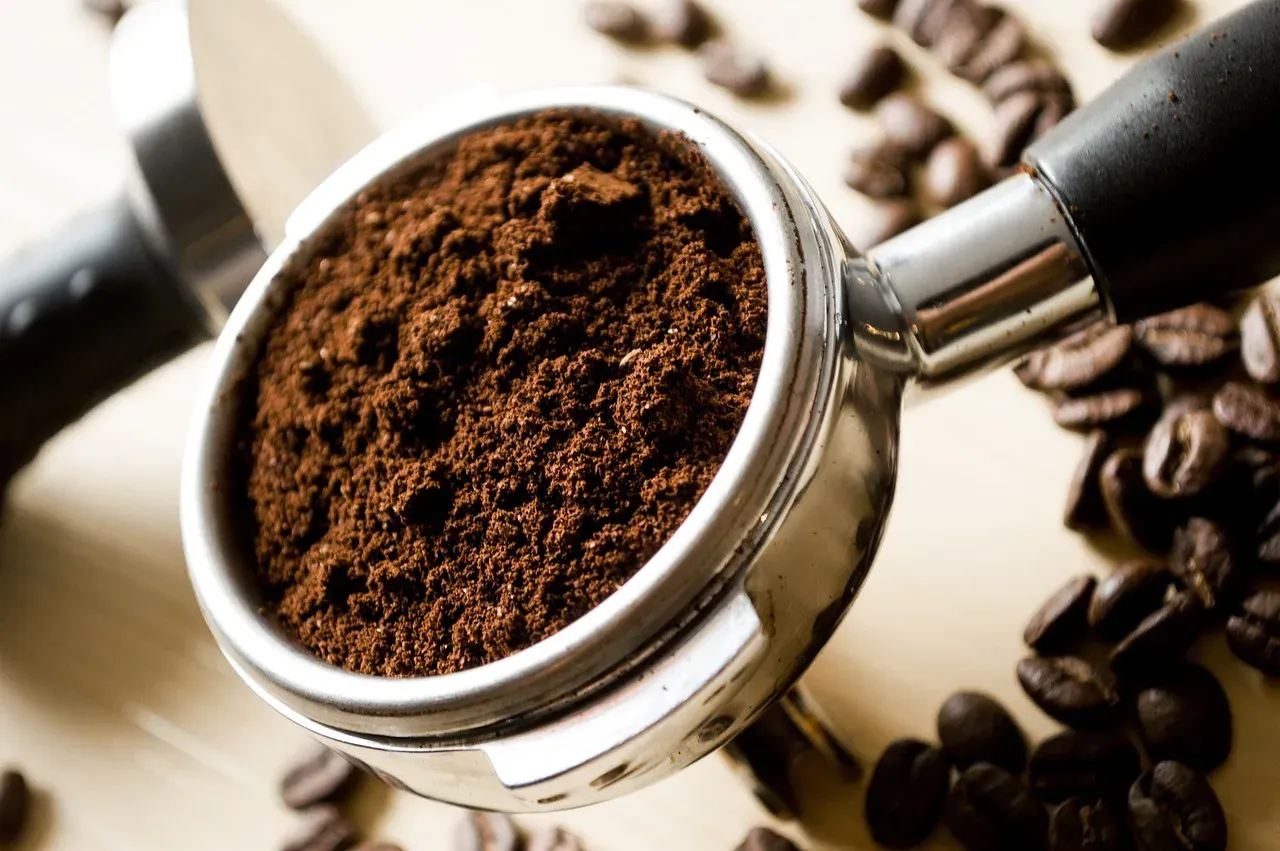
The burr shape argument, with the marketing removed: what each geometry does to the grind distribution, and when it matters in the cup.
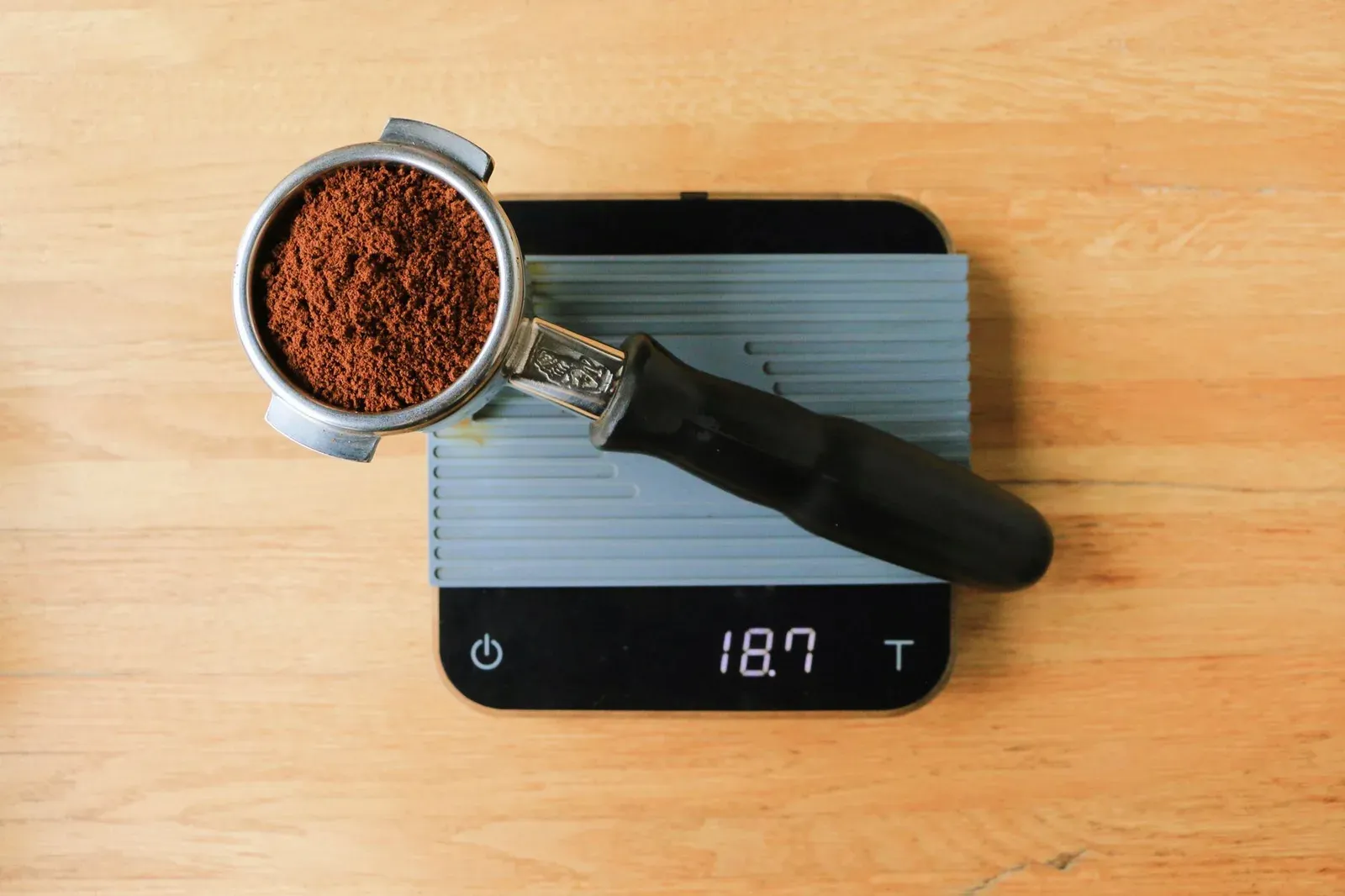
A repeatable routine for the first four shots from a new coffee: what to fix, what to change, and how to know when you are done.
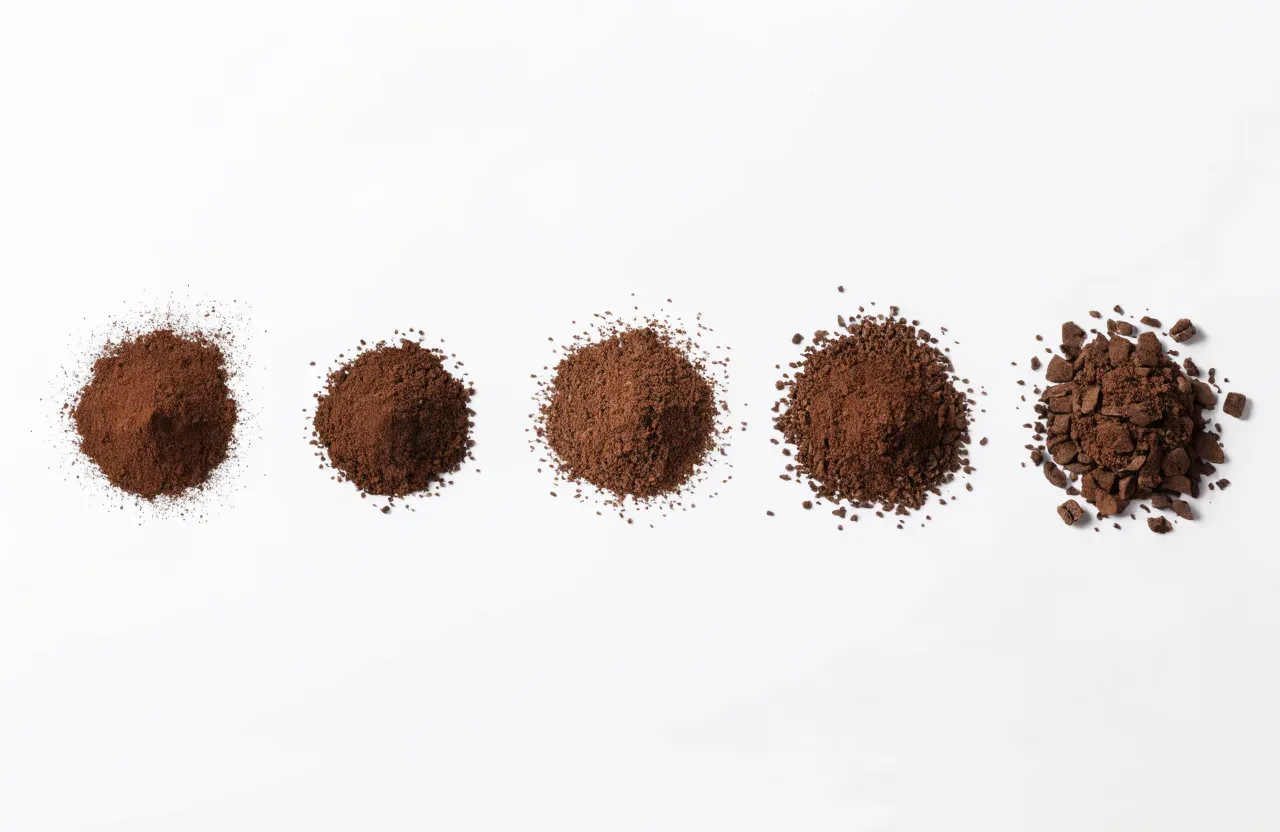
From espresso to cold brew, what size each method needs and why. How to find a setting on an unmarked grinder, and how to adjust by taste instead of by number.
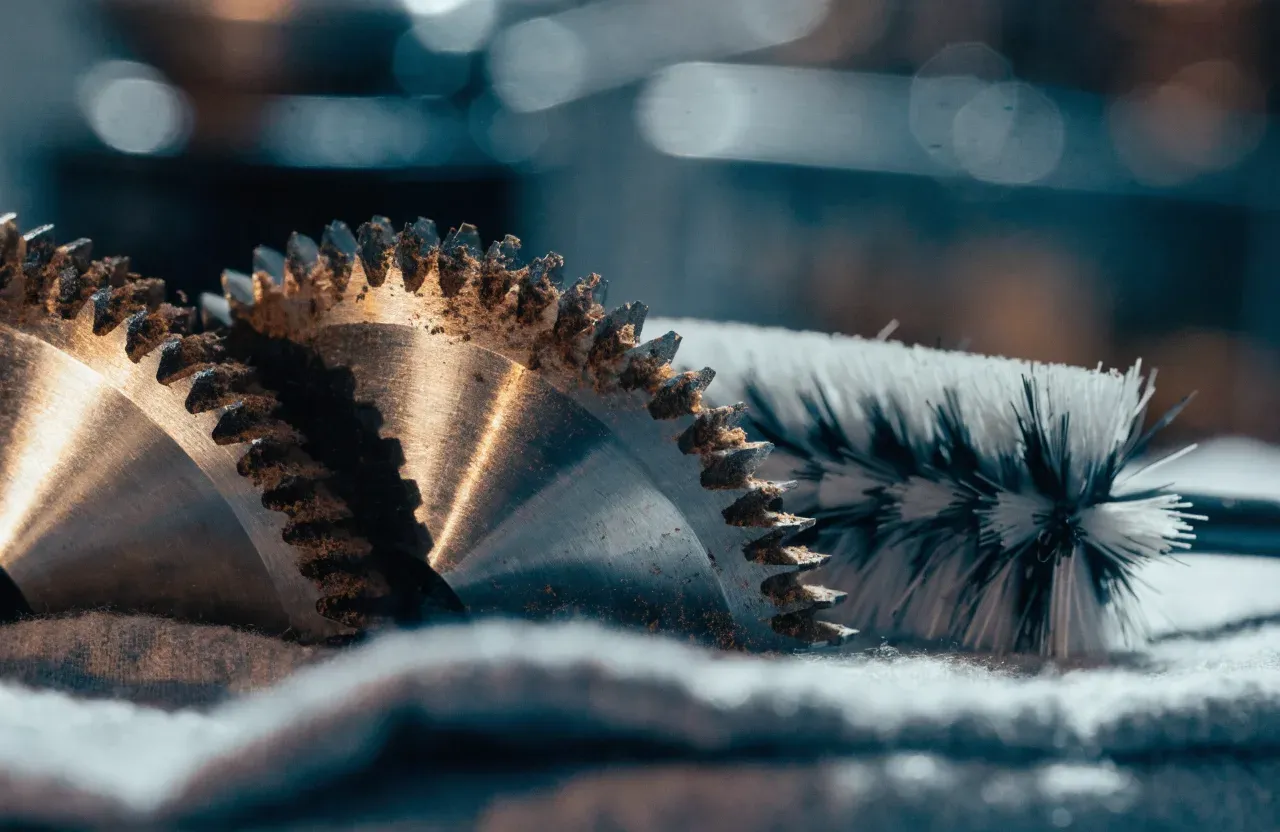
Stale grounds in the chamber and worn burrs both ruin a shot quietly. How to clean burrs without dulling them, and how to read the signs they are finished.
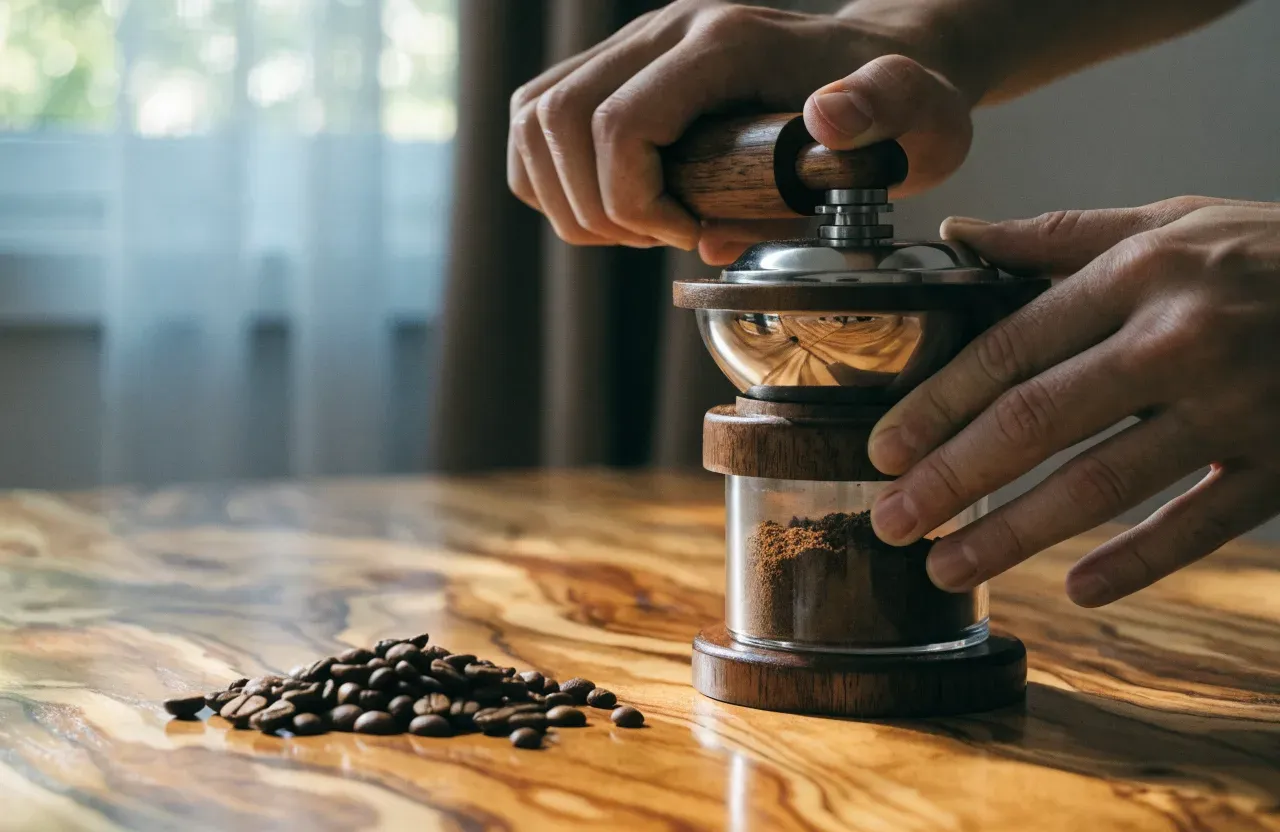
A hand grinder buys you far better burrs for the money and almost no retention. Here is where that wins, and where an electric is worth every penny.
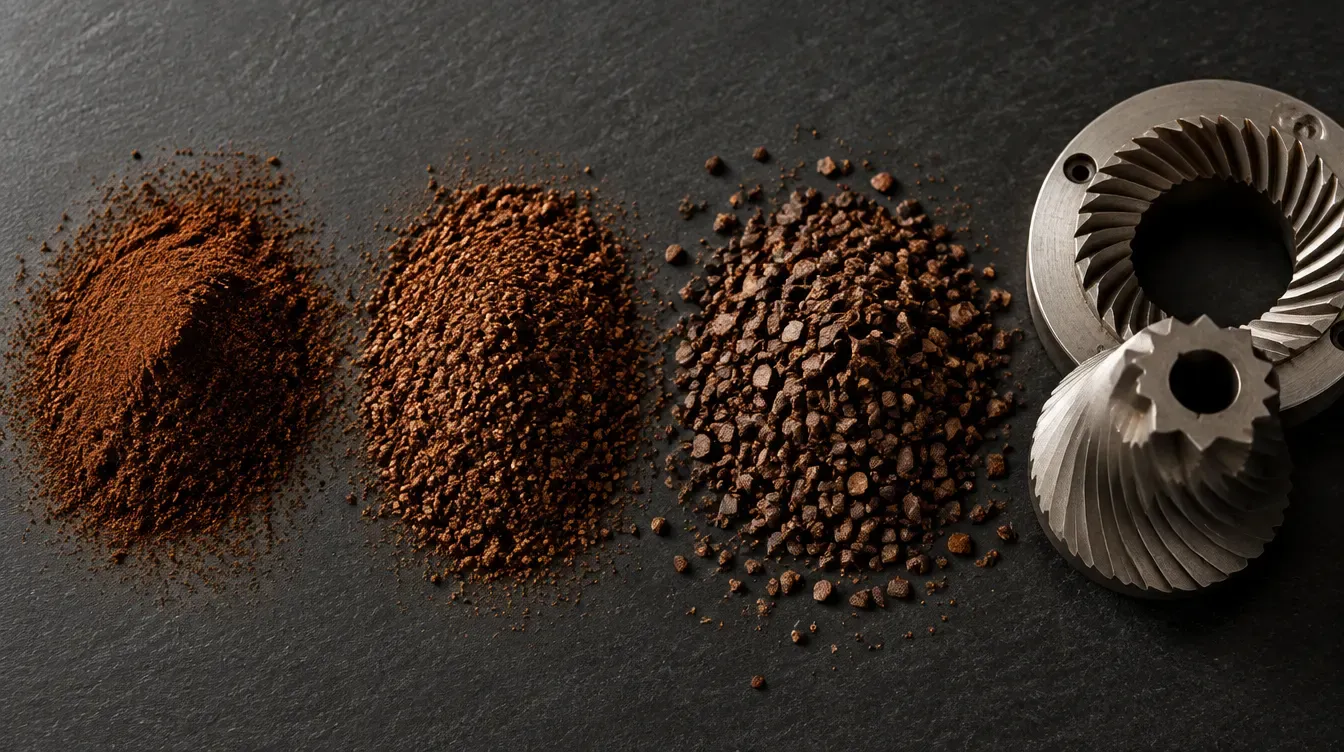
Particle distribution, fines, boulders, and why two grinders set to the same number produce different coffee.
Hands-on tests measured on the bench, and first looks at kit we have not tested yet, marked as such and never scored.
First look
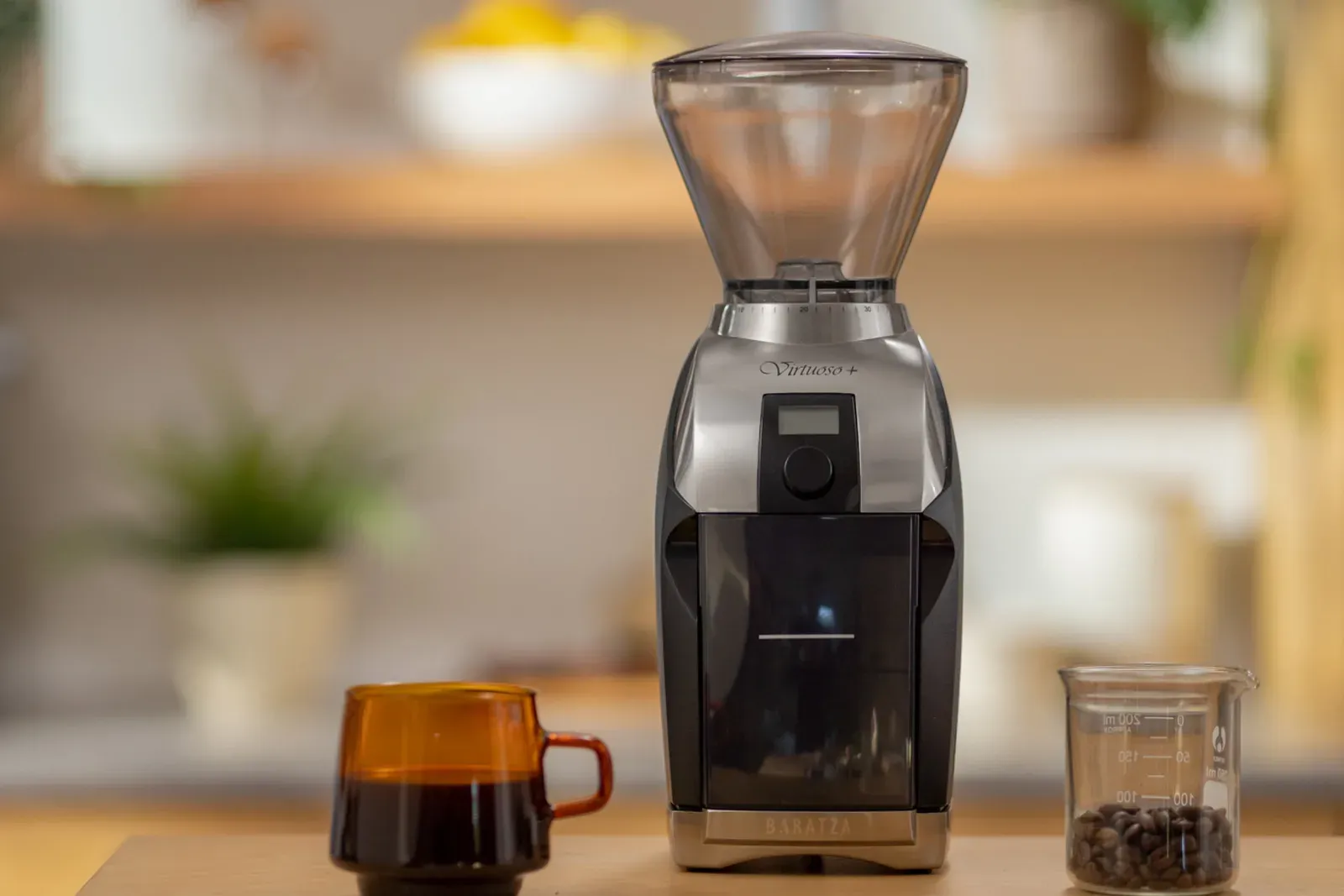
The Encore's body with Baratza's M2 burr and a timer to a tenth of a second. What the extra money buys over the Encore, and who should pay it.
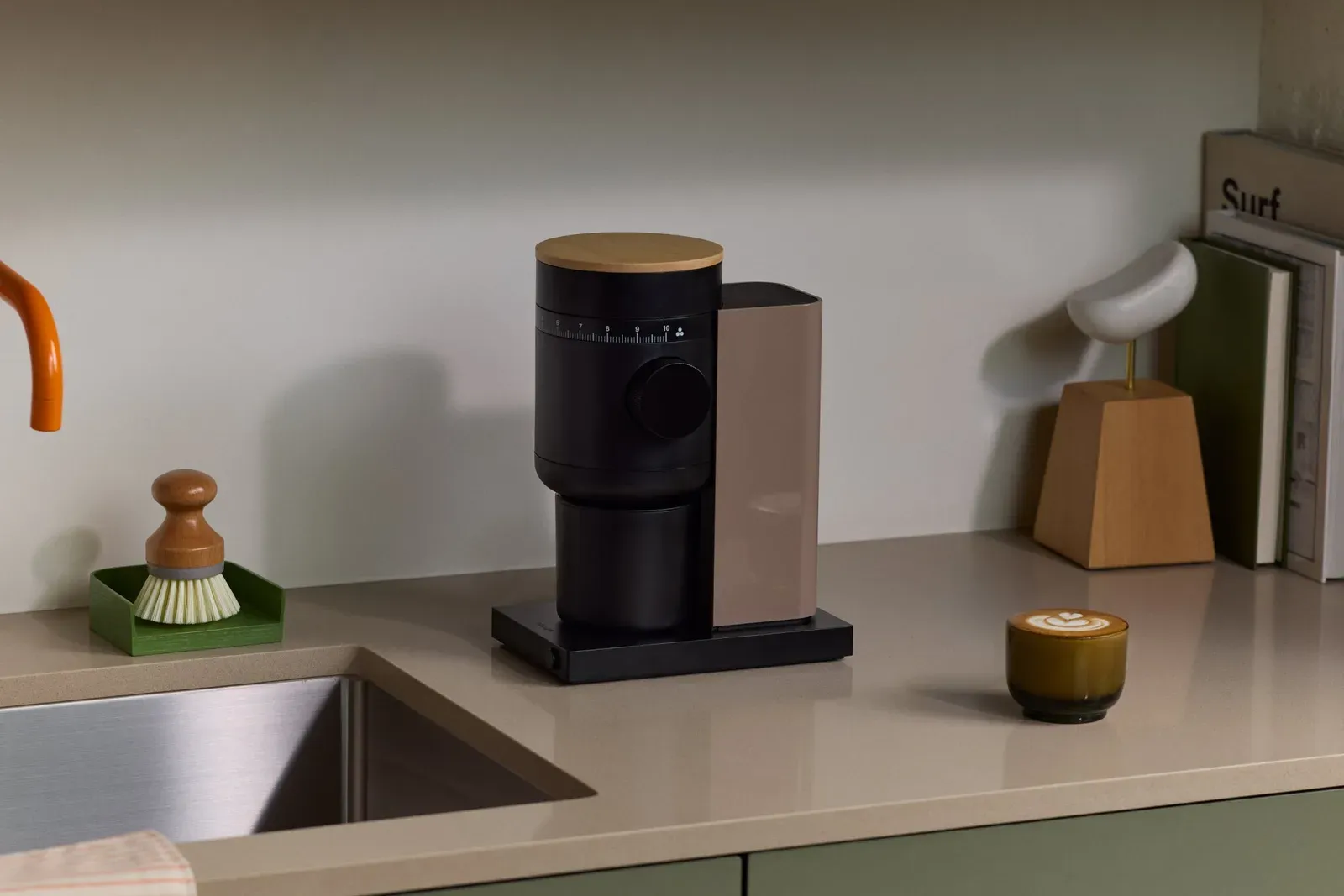
First look
48 mm conical burrs, a stepless dial and a range from espresso to cold brew for $199.95. What the spec promises, and where the Ode Gen 2 still wins.
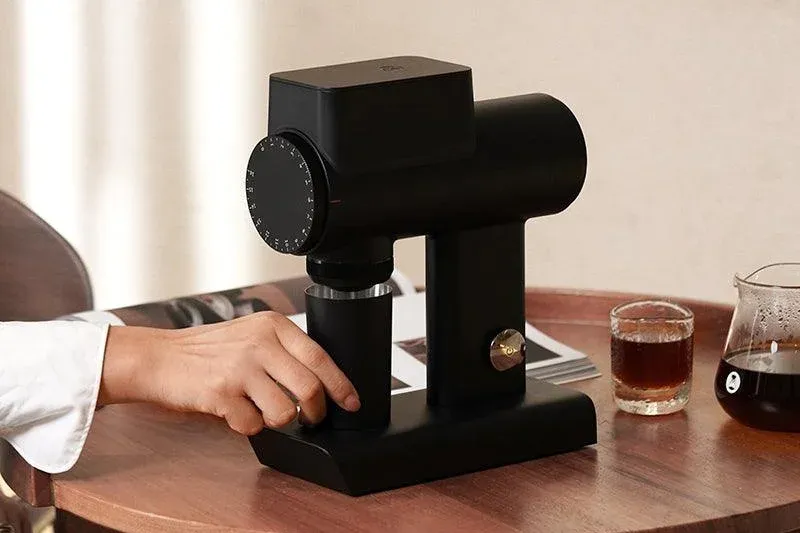
First look
64 mm flat burrs, a stepless dial and a variable-speed brushless motor in a single-dose grinder. What the spec promises for espresso and filter.
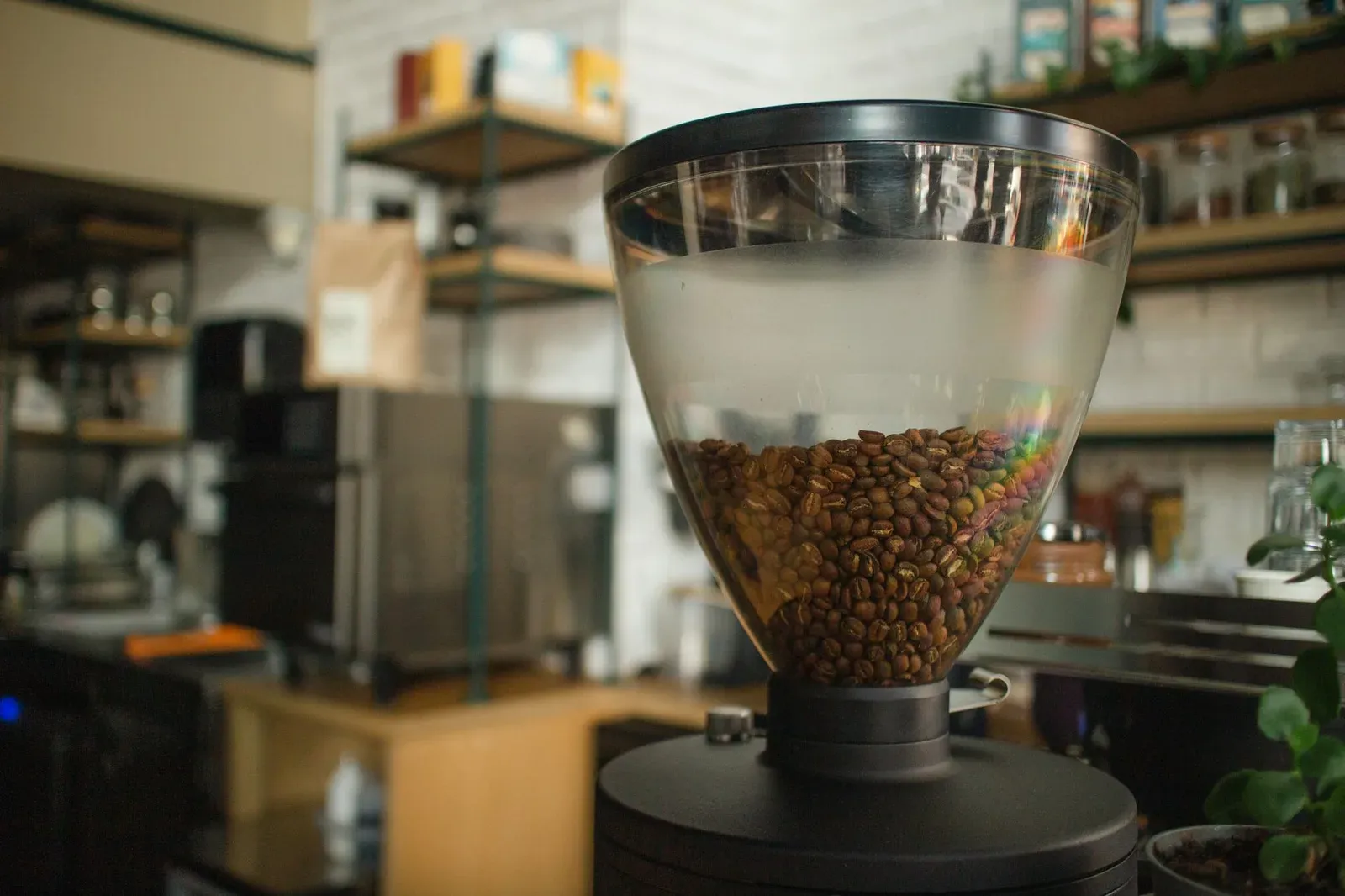
Reviews
Forty espresso steps, a repairable chassis and low retention for the money. Four weeks of testing on a single-boiler machine.
Comparisons
We put the same budget into a Baratza Encore ESP and into a De'Longhi Dedica, then tasted the results blind. One of them is not close.