Buying guides
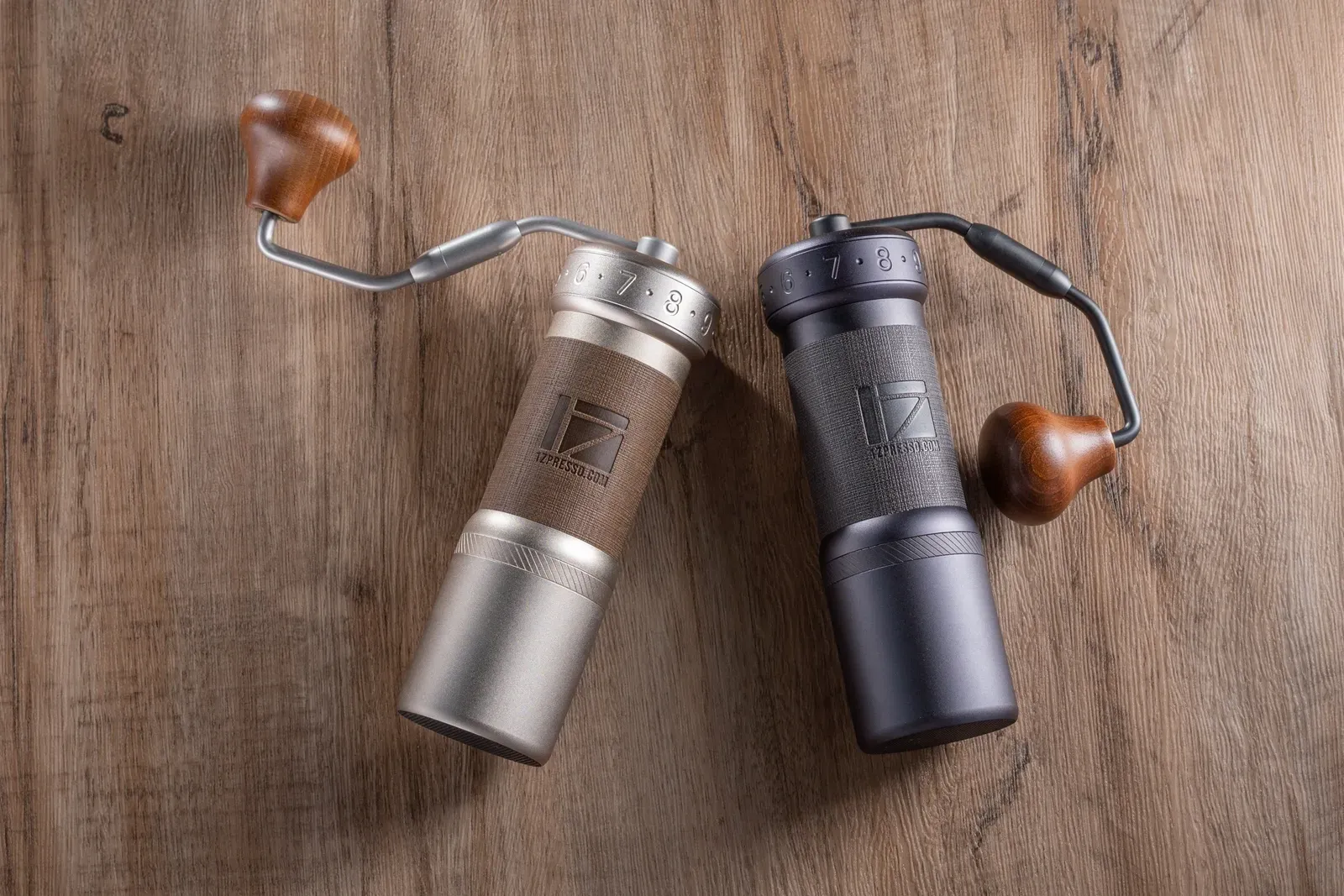
The best hand grinder at every budget
Four hand grinders from about $89 to $289, sorted by budget and then by use: what the extra money buys, and what grinding by hand costs you.
Stepless adjustment, low retention, and why espresso is the hard case.
Four hand grinders from about $89 to $289, sorted by budget and then by use: what the extra money buys, and what grinding by hand costs you.
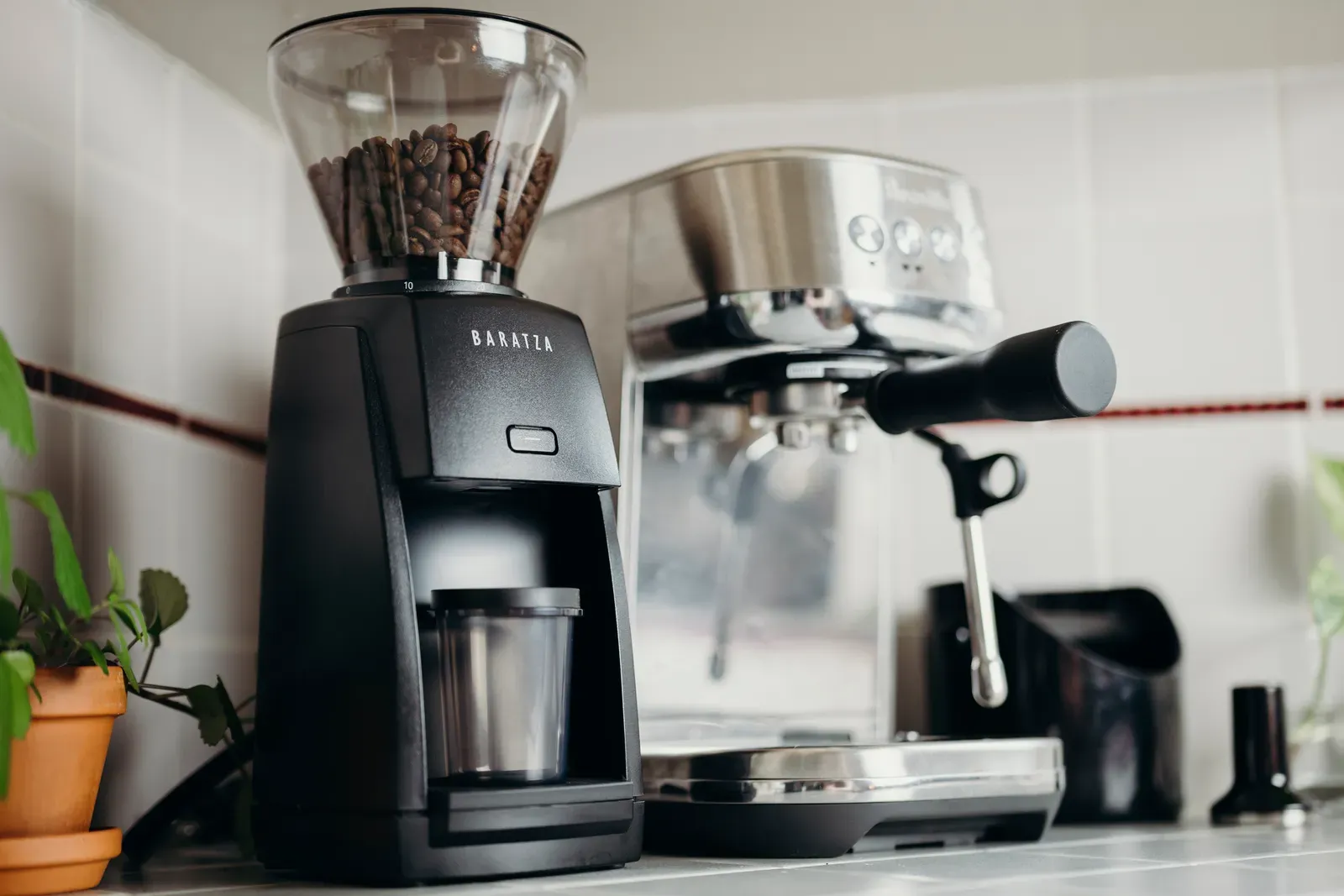
What espresso asks of a grinder that filter does not, from step size to retention, and three ways to answer it between about $199 and $449.
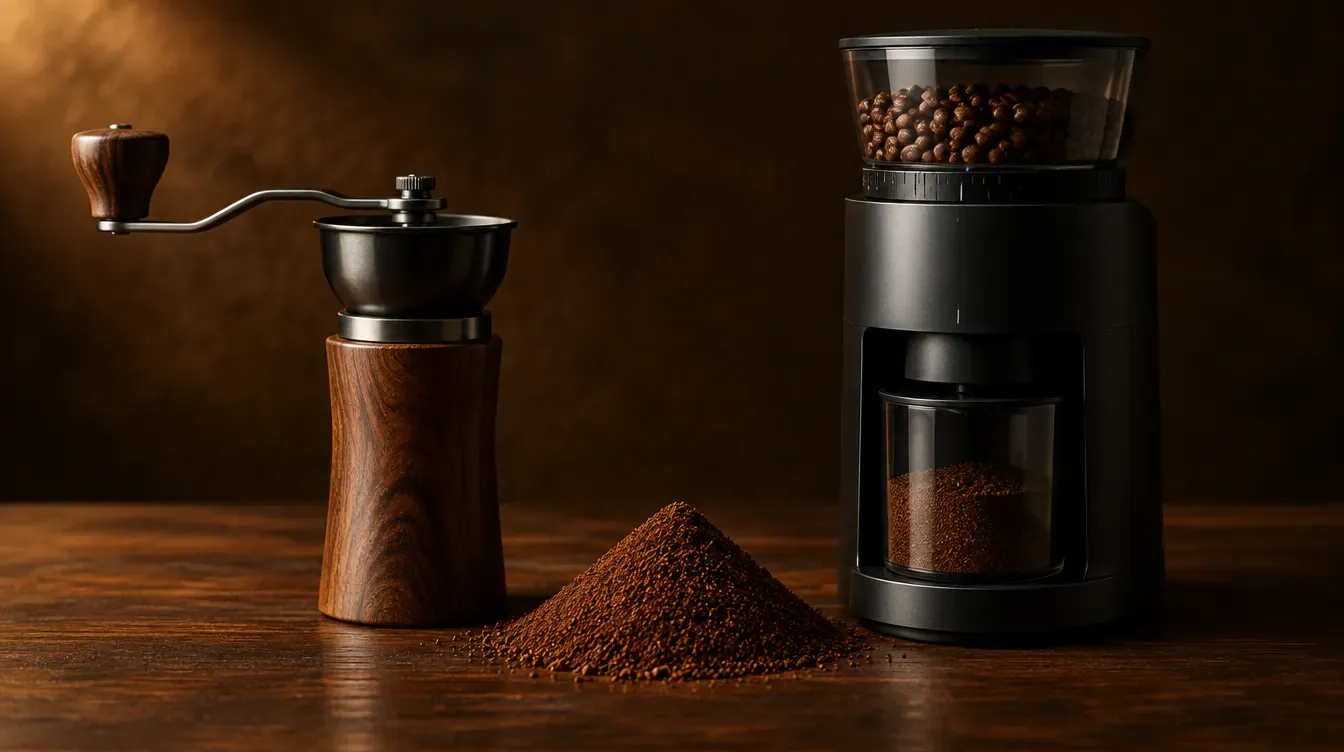
Burr geometry, retention and step size decide what a grinder is good for. Here is which one to buy for espresso, for filter, and for both.
First look
48 mm conical burrs, a stepless dial and a range from espresso to cold brew for $199.95. What the spec promises, and where the Ode Gen 2 still wins.
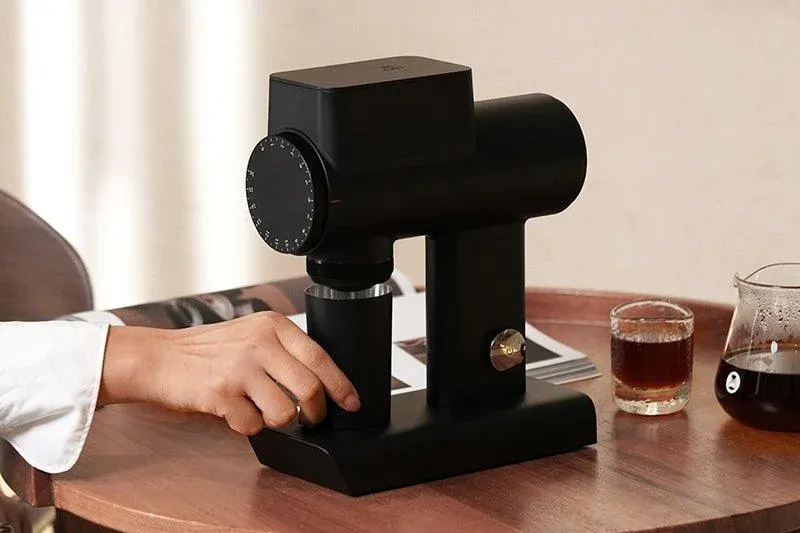
First look
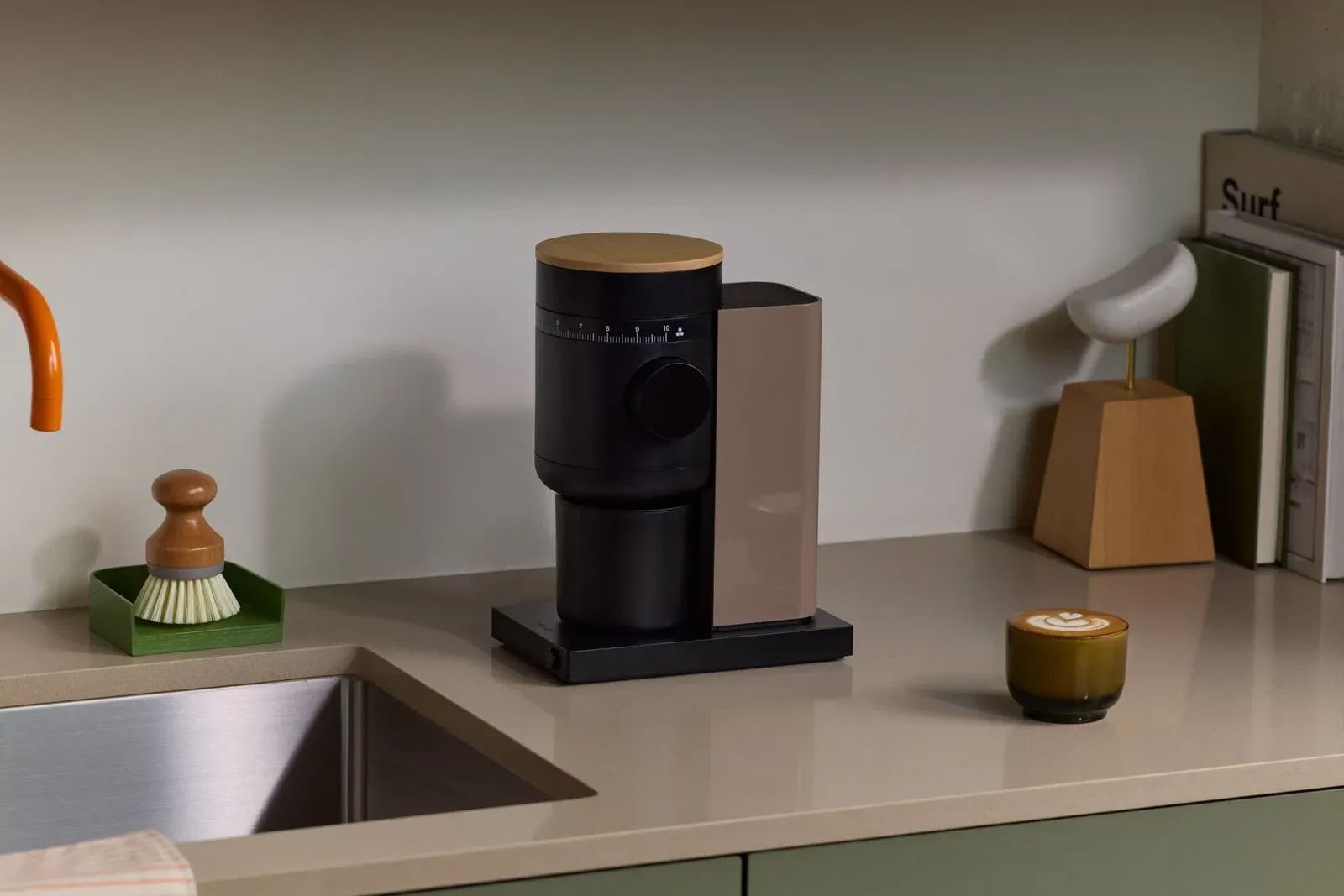
64 mm flat burrs, a stepless dial and a variable-speed brushless motor in a single-dose grinder. What the spec promises for espresso and filter.
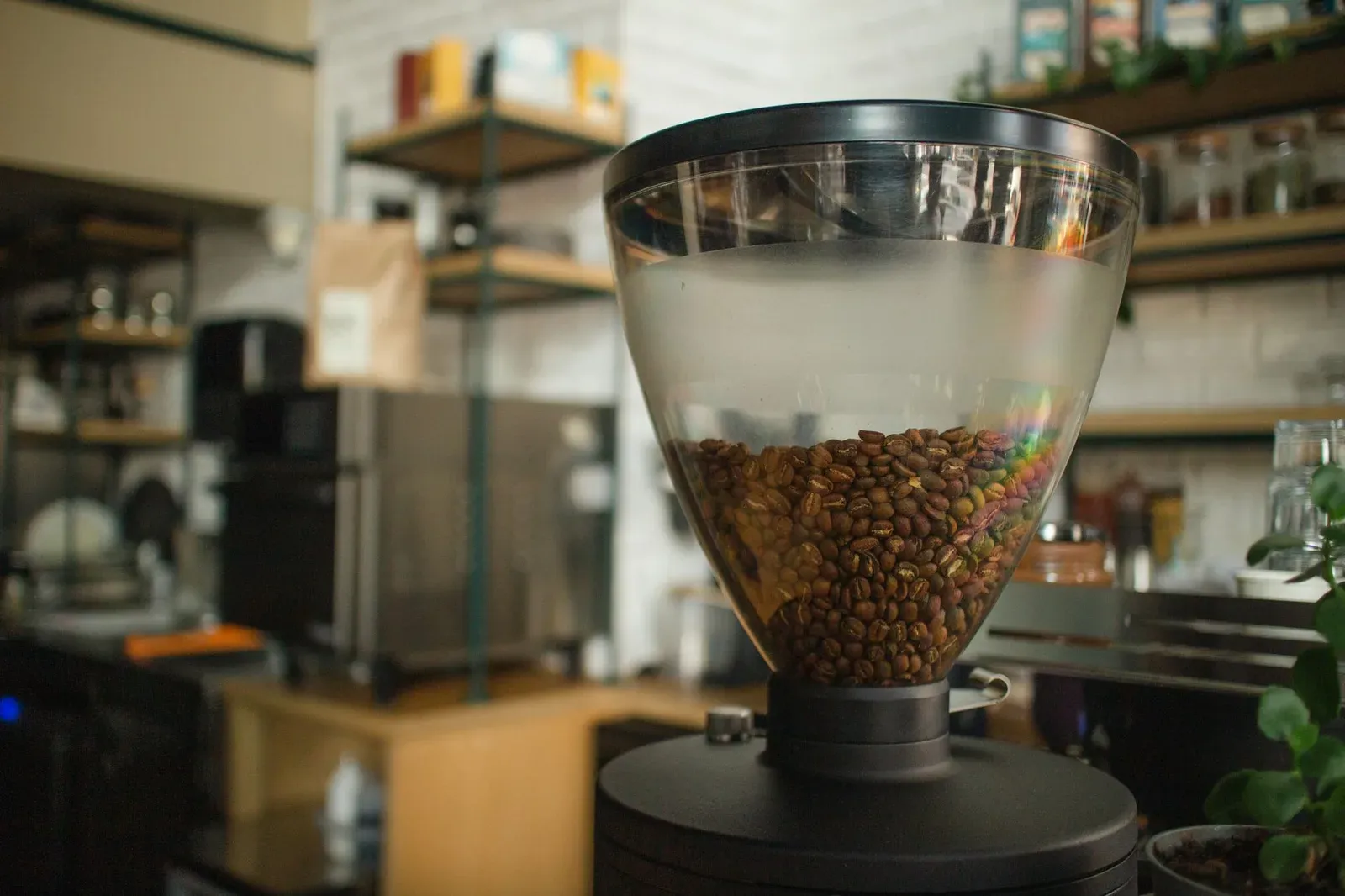
Reviews
Forty espresso steps, a repairable chassis and low retention for the money. Four weeks of testing on a single-boiler machine.
Comparisons
We put the same budget into a Baratza Encore ESP and into a De'Longhi Dedica, then tasted the results blind. One of them is not close.
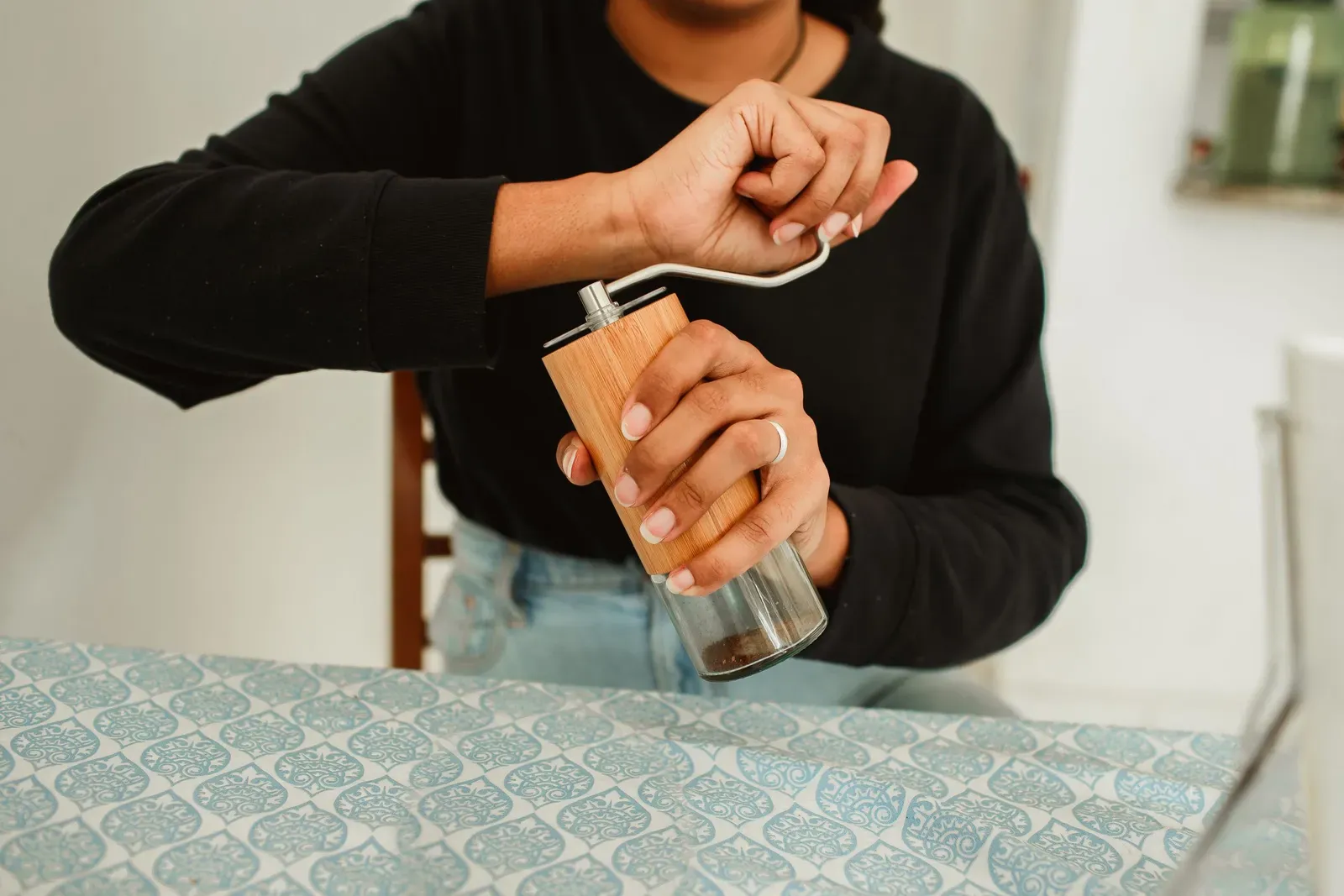
A good hand grinder can match an electric costing three times as much in the cup. What it costs you instead is time, effort and patience at 7am.
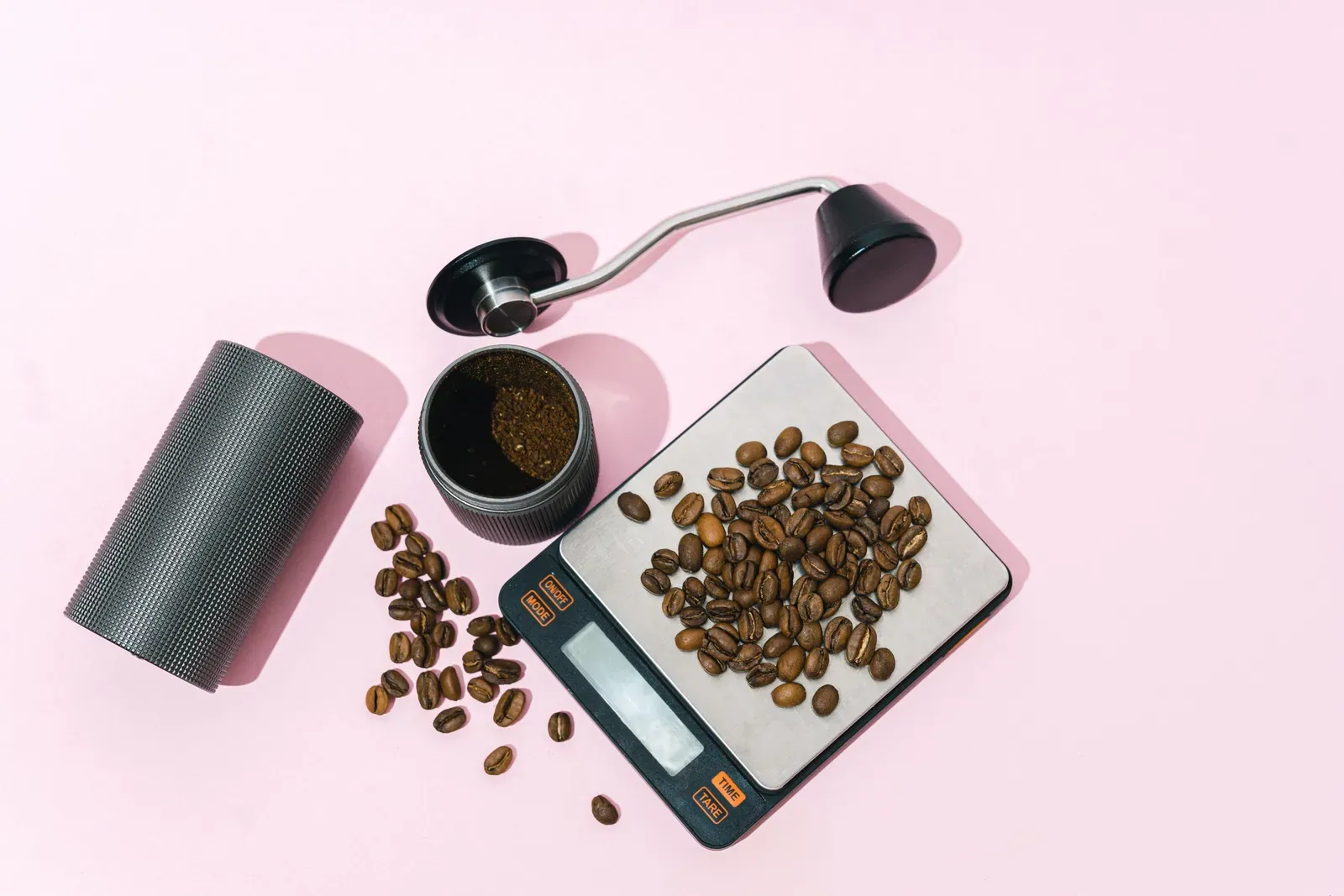
Weighing beans for each cup instead of filling a hopper solves stale coffee and easy bean switching. It does not fix burrs, alignment or a bad recipe.
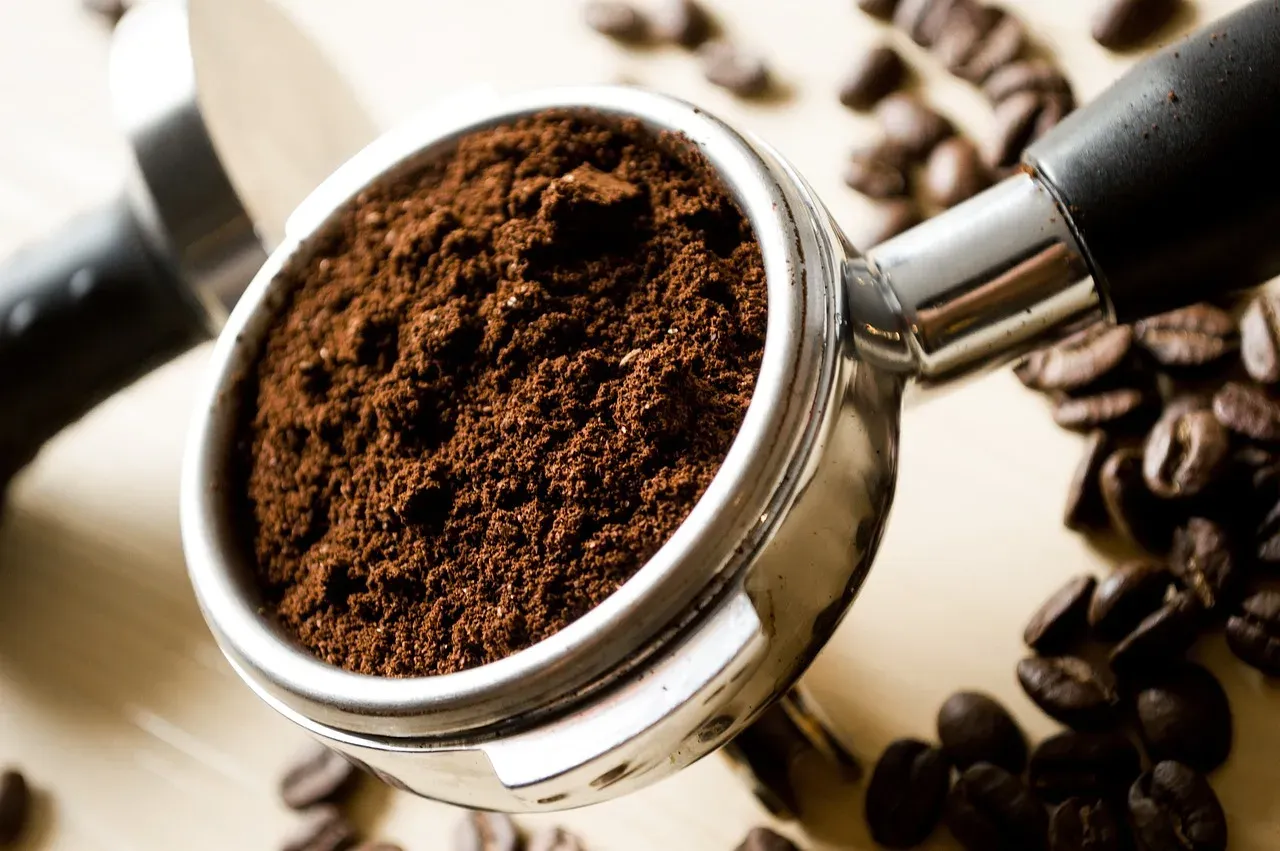
The burr shape argument, with the marketing removed: what each geometry does to the grind distribution, and when it matters in the cup.
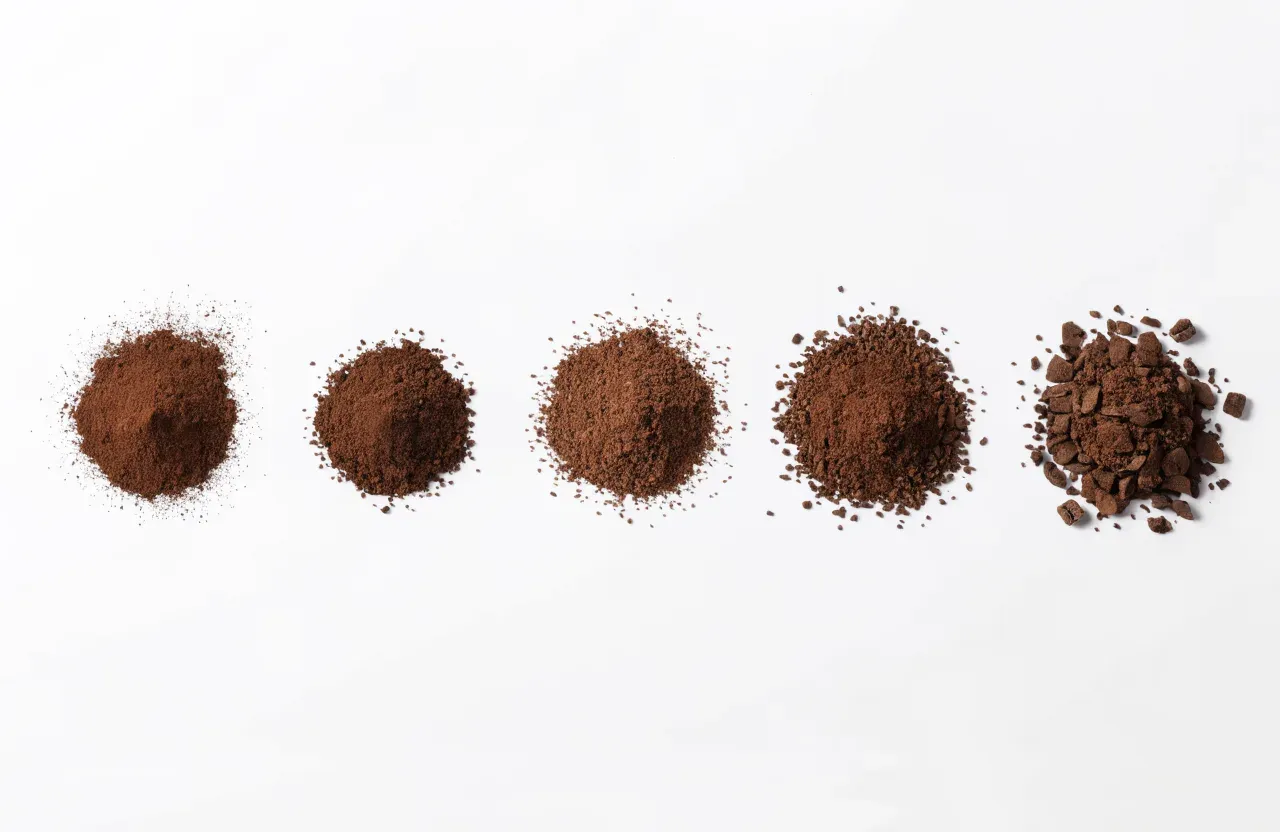
From espresso to cold brew, what size each method needs and why. How to find a setting on an unmarked grinder, and how to adjust by taste instead of by number.