Light roast
Acidity forward, origin character intact, and harder to extract. Why it divides people.
What happens between the green bean and the bag on your shelf, and who decides how far it goes.
5 explore
Acidity forward, origin character intact, and harder to extract. Why it divides people.
The balance point most roasters aim at, and the roast level that forgives the most mistakes.
Roast character over origin character, and when that is the right call.
Drying, Maillard, first crack, development: the four phases and what each one puts in the cup.
How a roast curve is designed, and how to read what a bag is telling you about one.
Roasted coffee is full of carbon dioxide for days. How long to rest beans for filter and for espresso, and what a bag that is too fresh does to the cup.
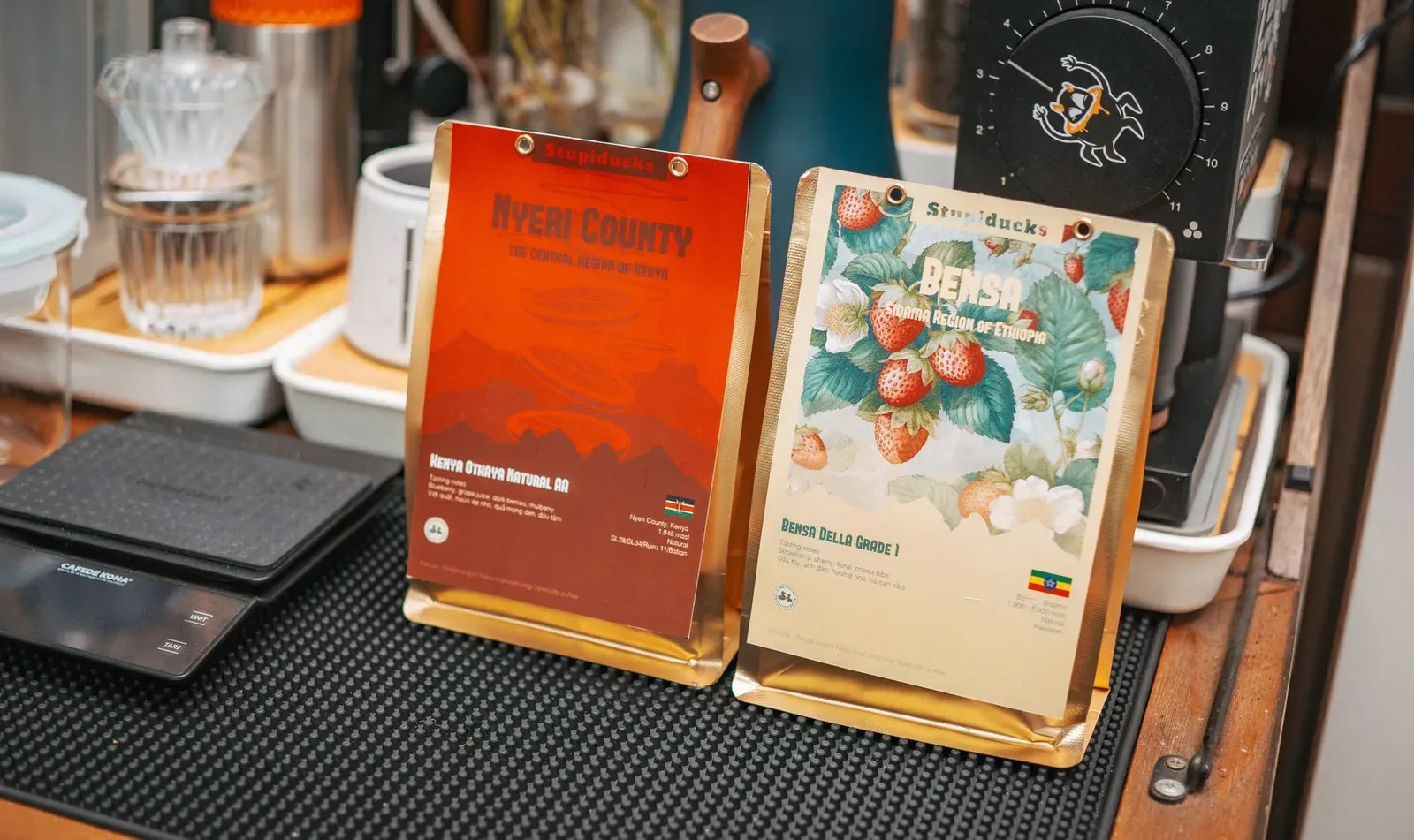
Roast date, process, altitude, varietal and the tasting notes: what each line on a bag is actually claiming, and which ones are worth paying for.
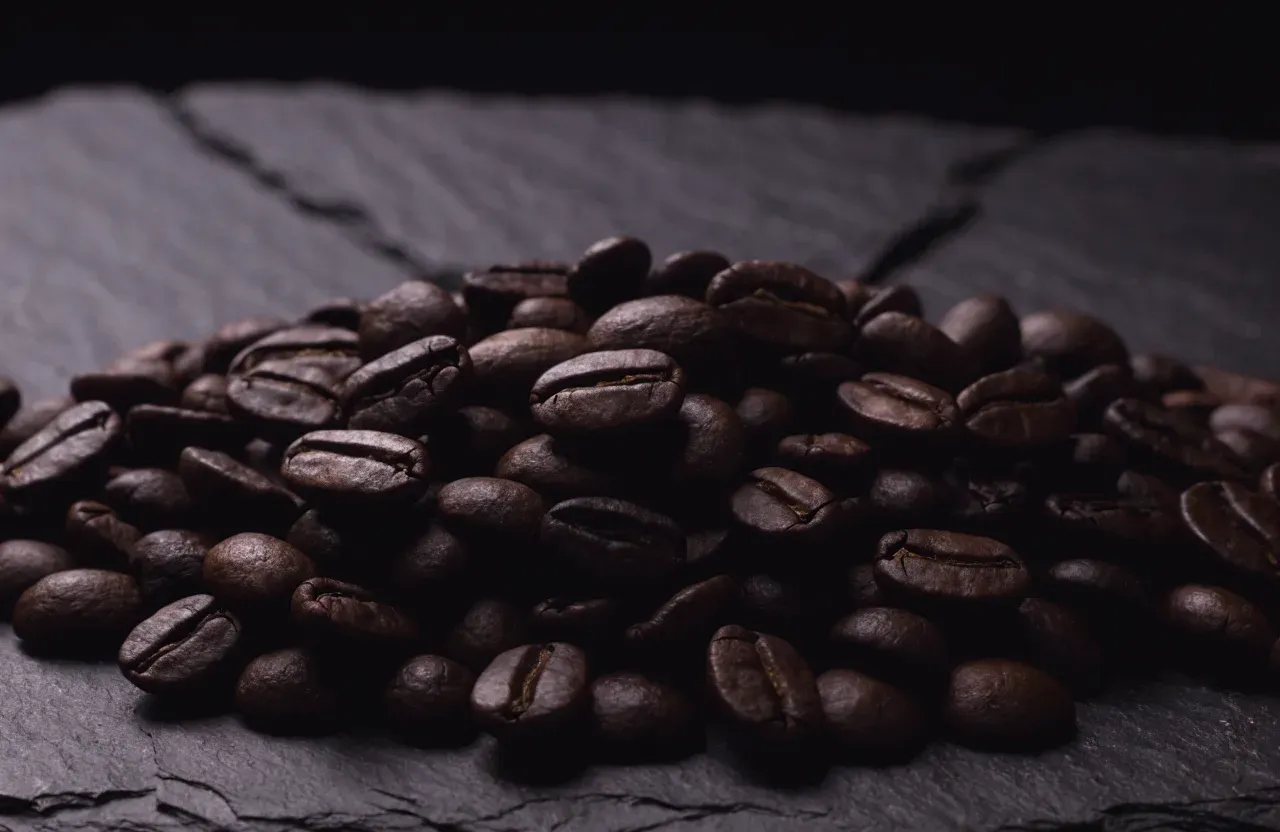
A developed dark roast is sweet, heavy and smooth. A scorched one is ashy and thin.
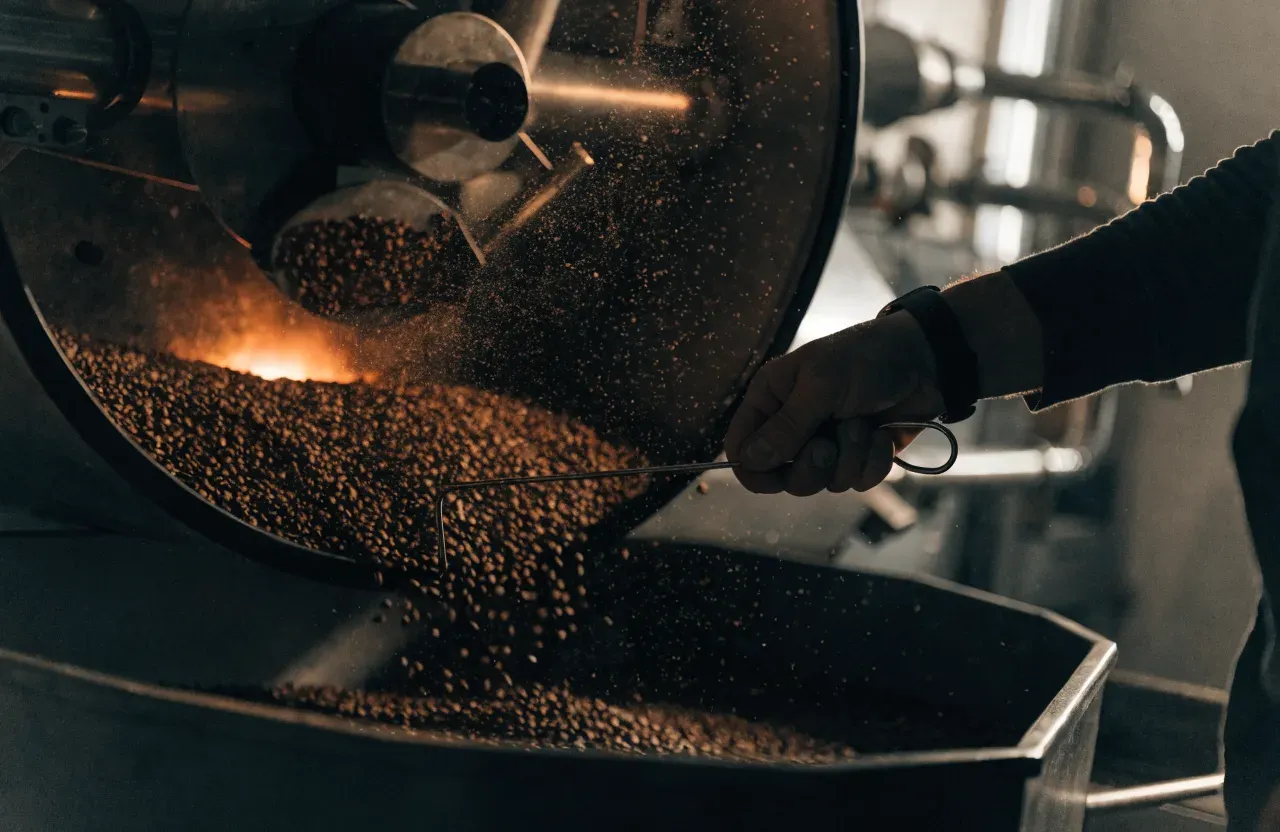
Drying, Maillard, first crack, development, second crack. What each phase puts into the cup, and why a roast profile is a curve rather than a setting.
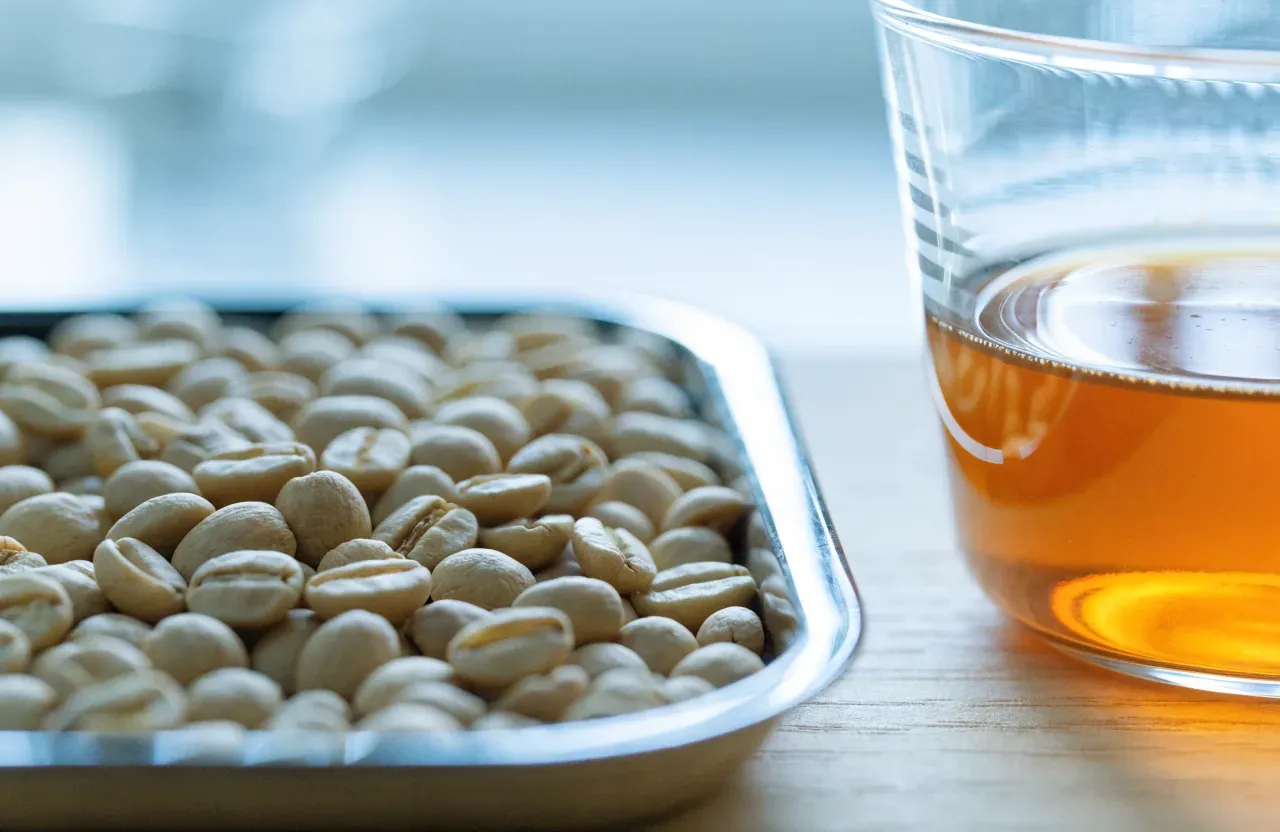
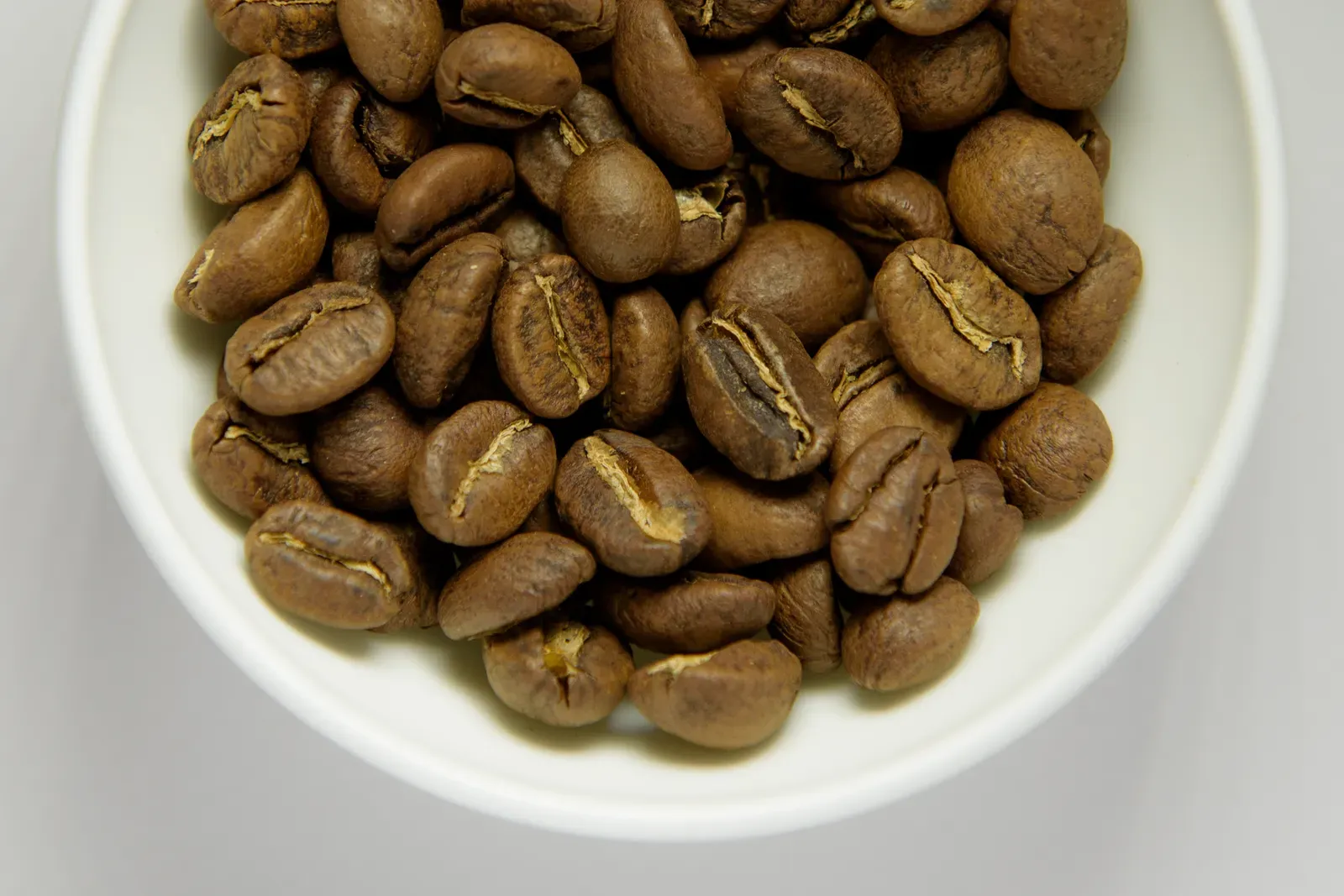
A light roast keeps the acidity, the origin character and most of the bean's density. All three are why it tastes the way it does, and why it is harder to brew.
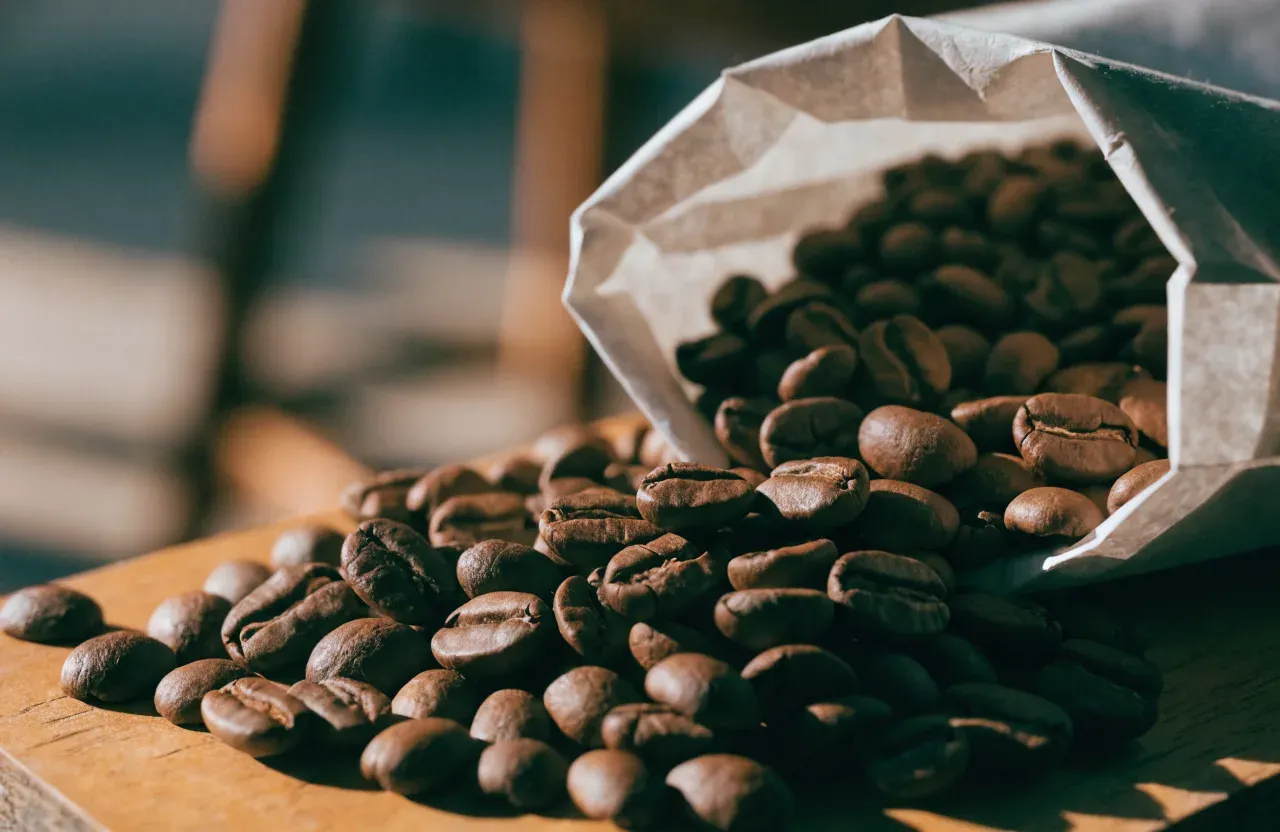
First crack, then a few minutes of development. That window is where sweetness and acidity overlap, and it is why a medium roast forgives a bad grind setting.