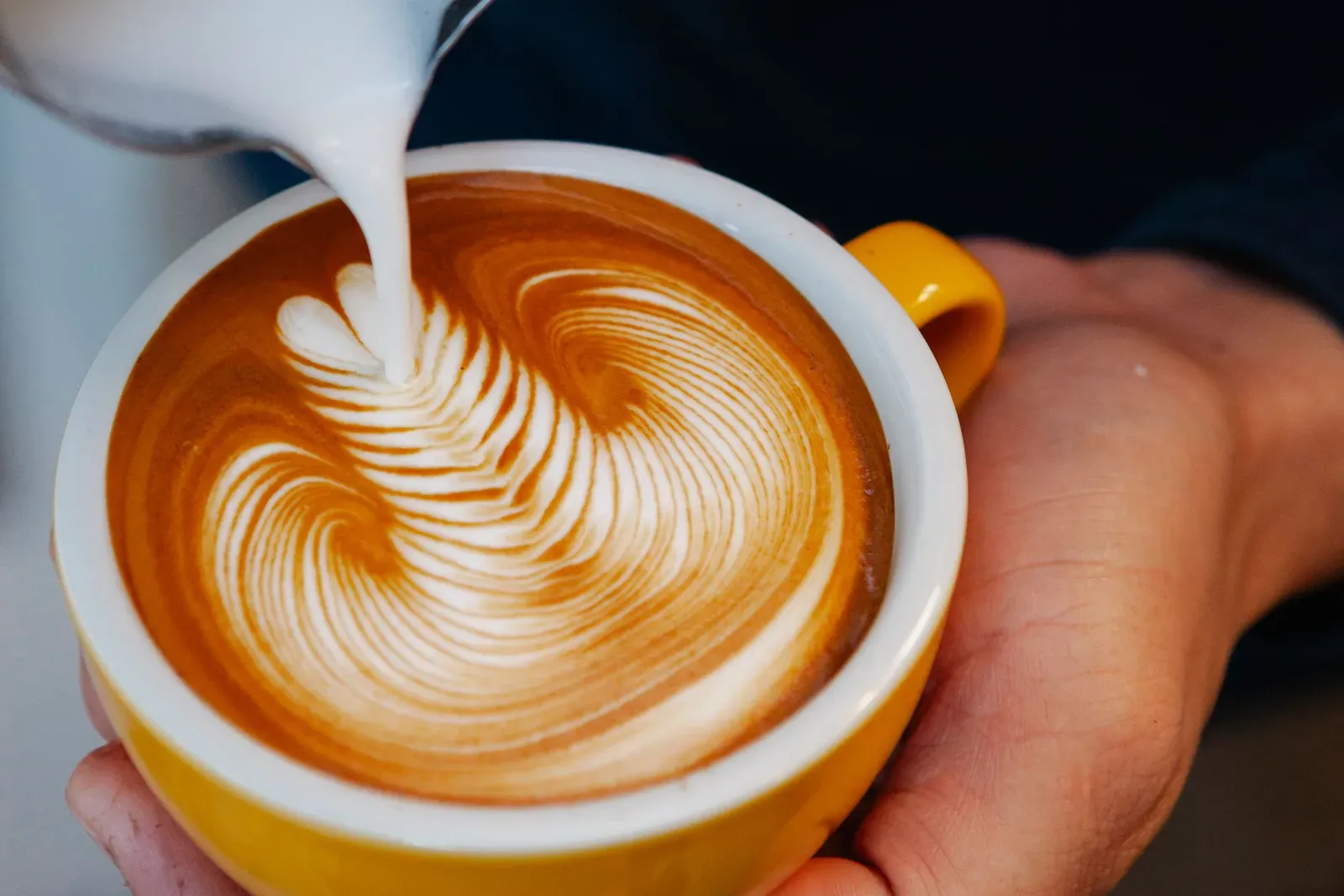
The heart and the rosetta, step by step
The two first latte art patterns, broken into the movements that make them: height, tilt, flow and the final lift through the middle.
Distribution, puck prep, pouring and the habits that make them repeatable.
The two first latte art patterns, broken into the movements that make them: height, tilt, flow and the final lift through the middle.
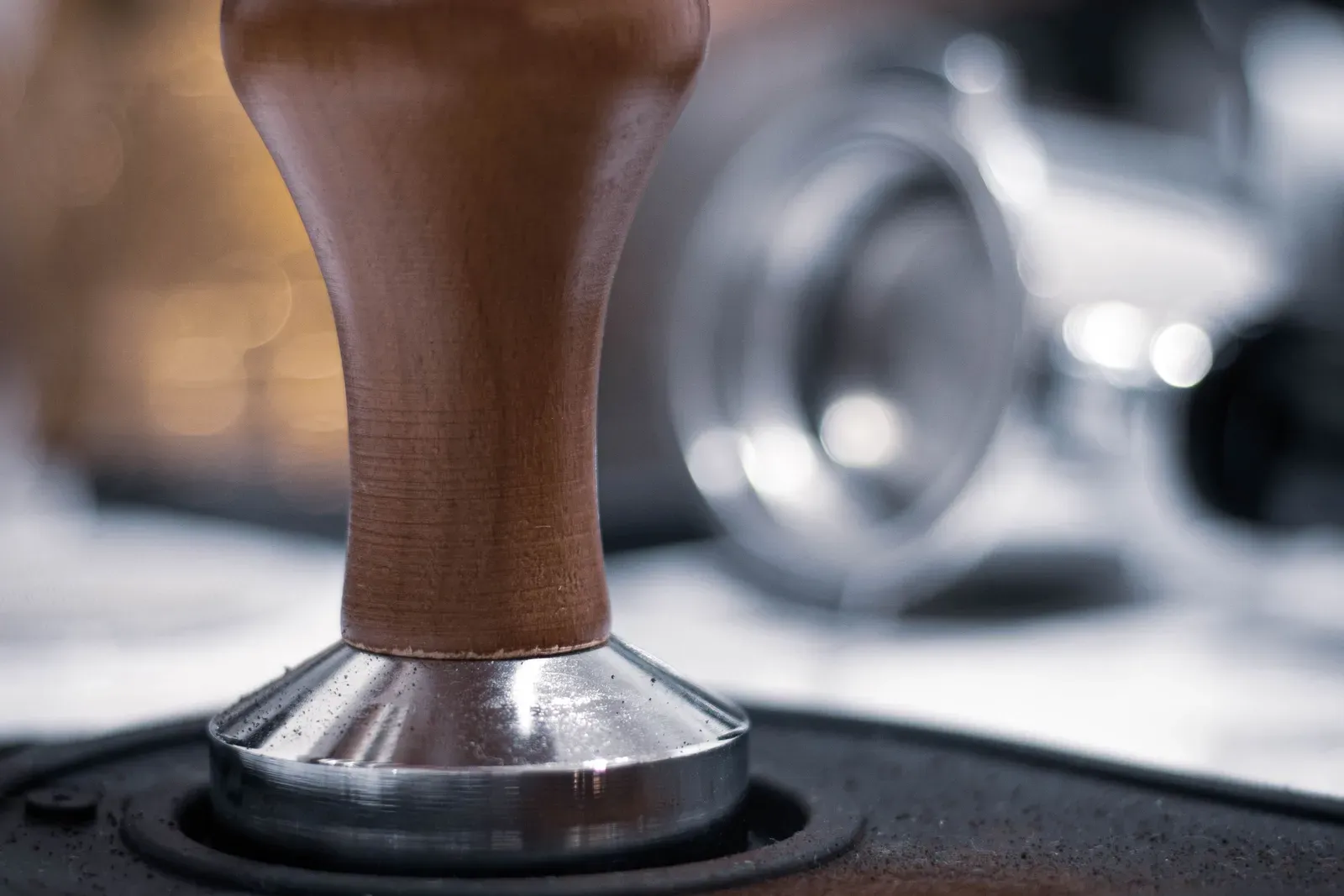
A tamper that fits the basket, a mat that protects the counter and a knock box that saves the bin: the espresso tools worth having, and the ones to skip.
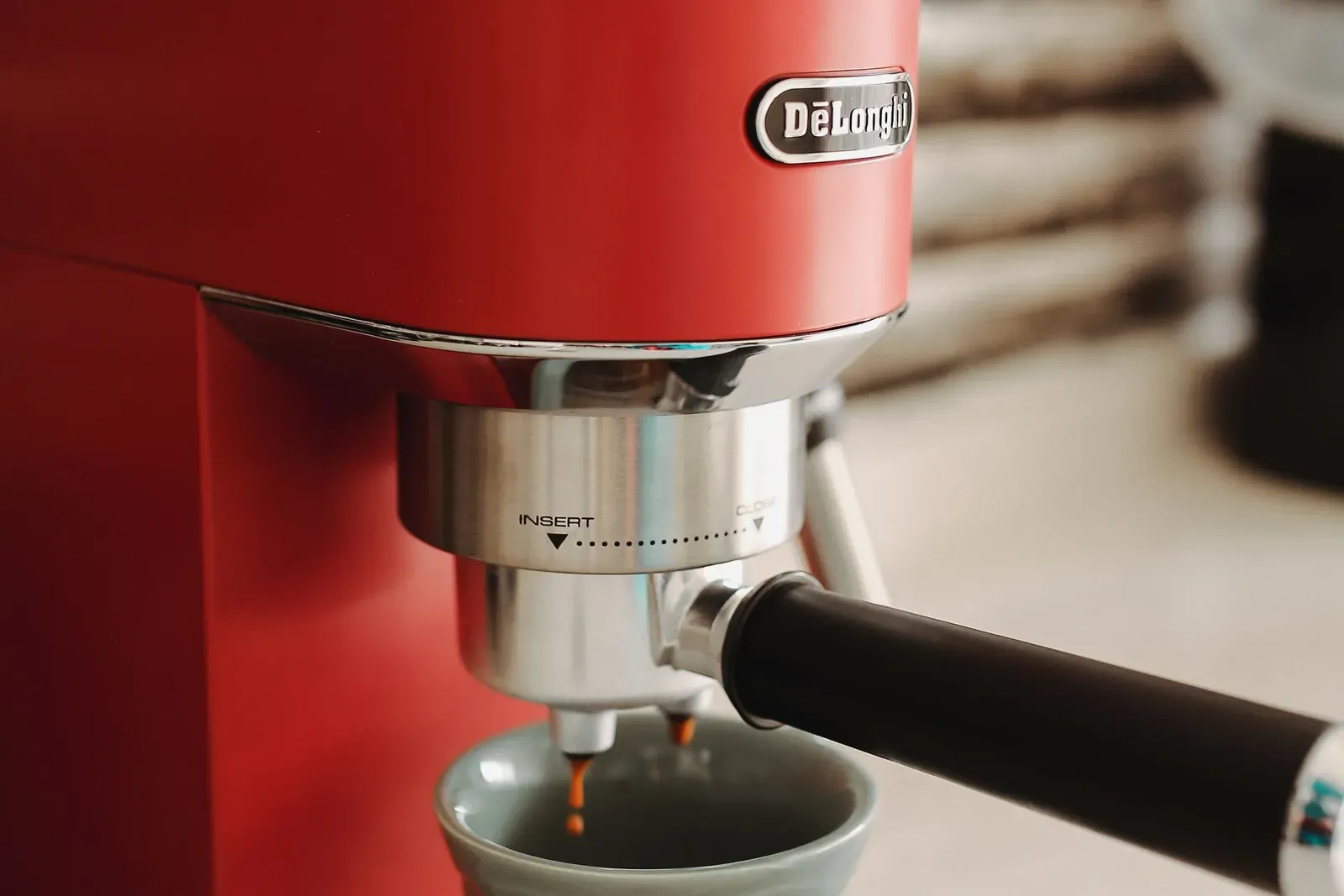
A single boiler machine without a PID swings several degrees around its set point. Temperature surfing is the routine that lands every shot in the same place.
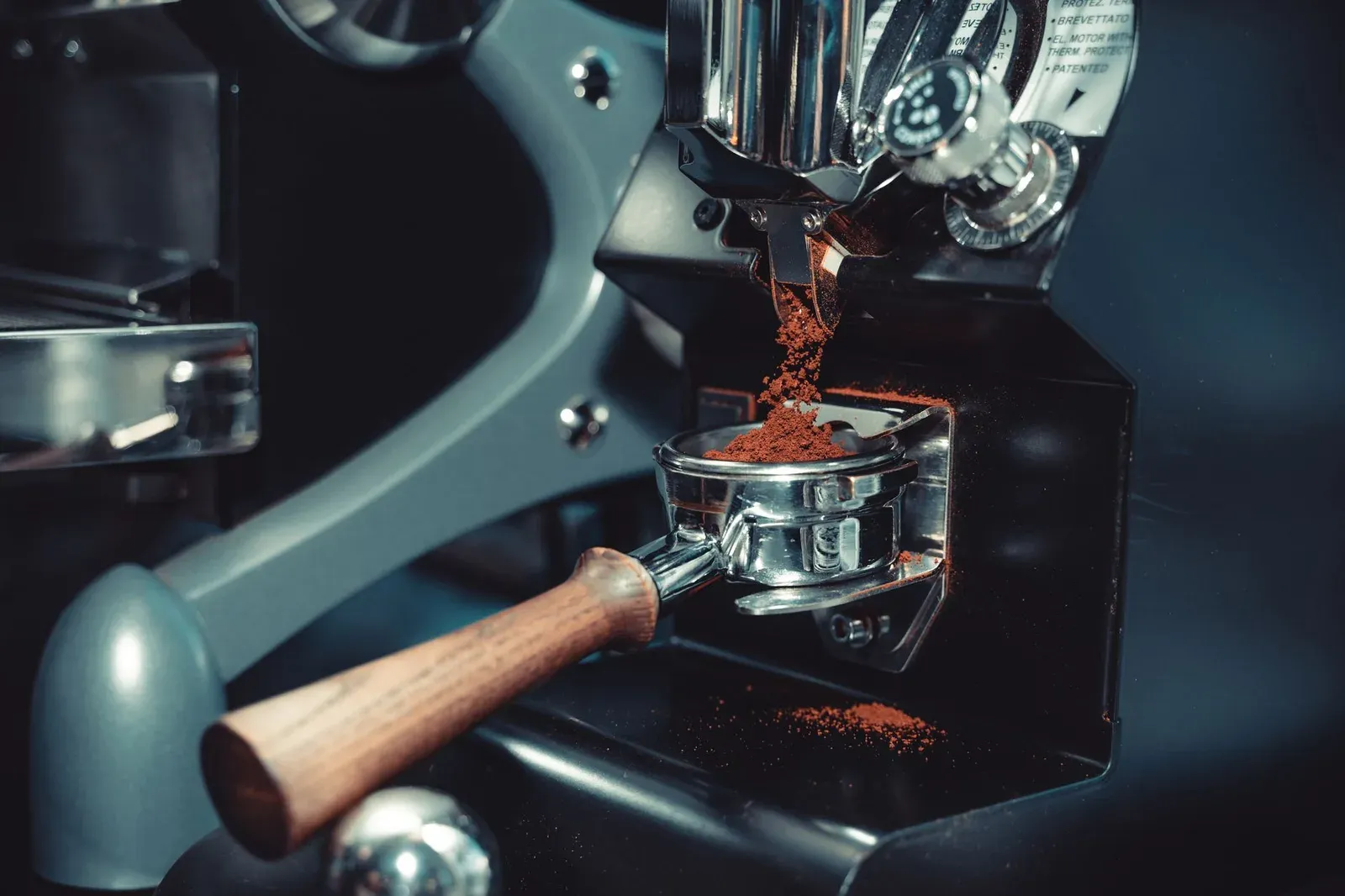
What happens between the grinder and the group head decides the shot. Clumps, distribution tools, the WDT needle, and which steps are worth the time.
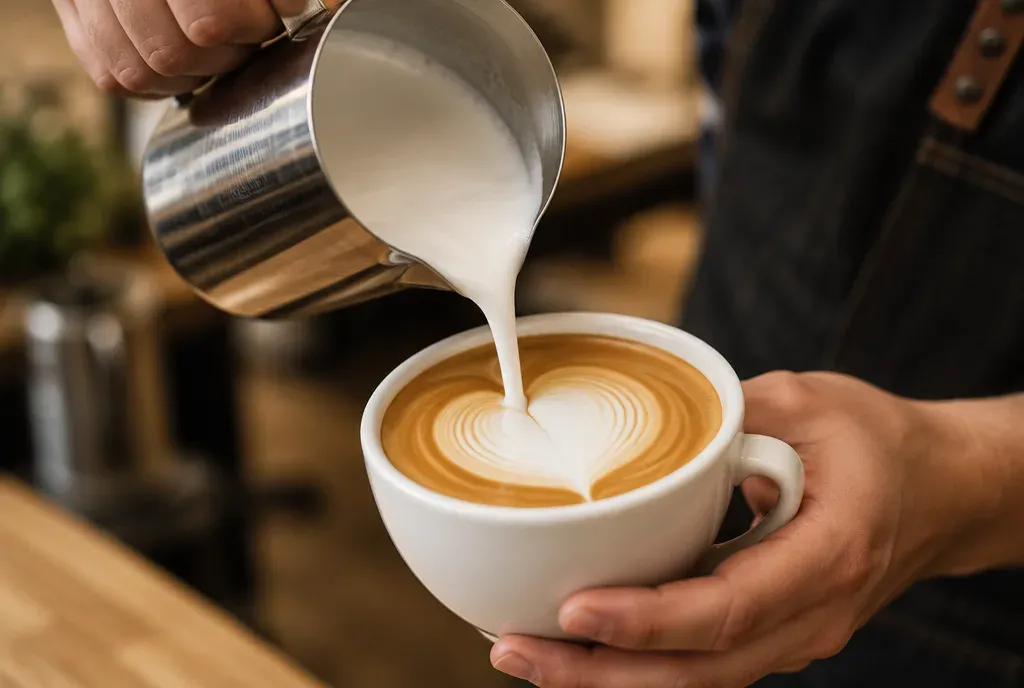
Most failed patterns were lost during steaming, not pouring. Here is the texture to aim for, the kit that helps, and how to pour a heart.
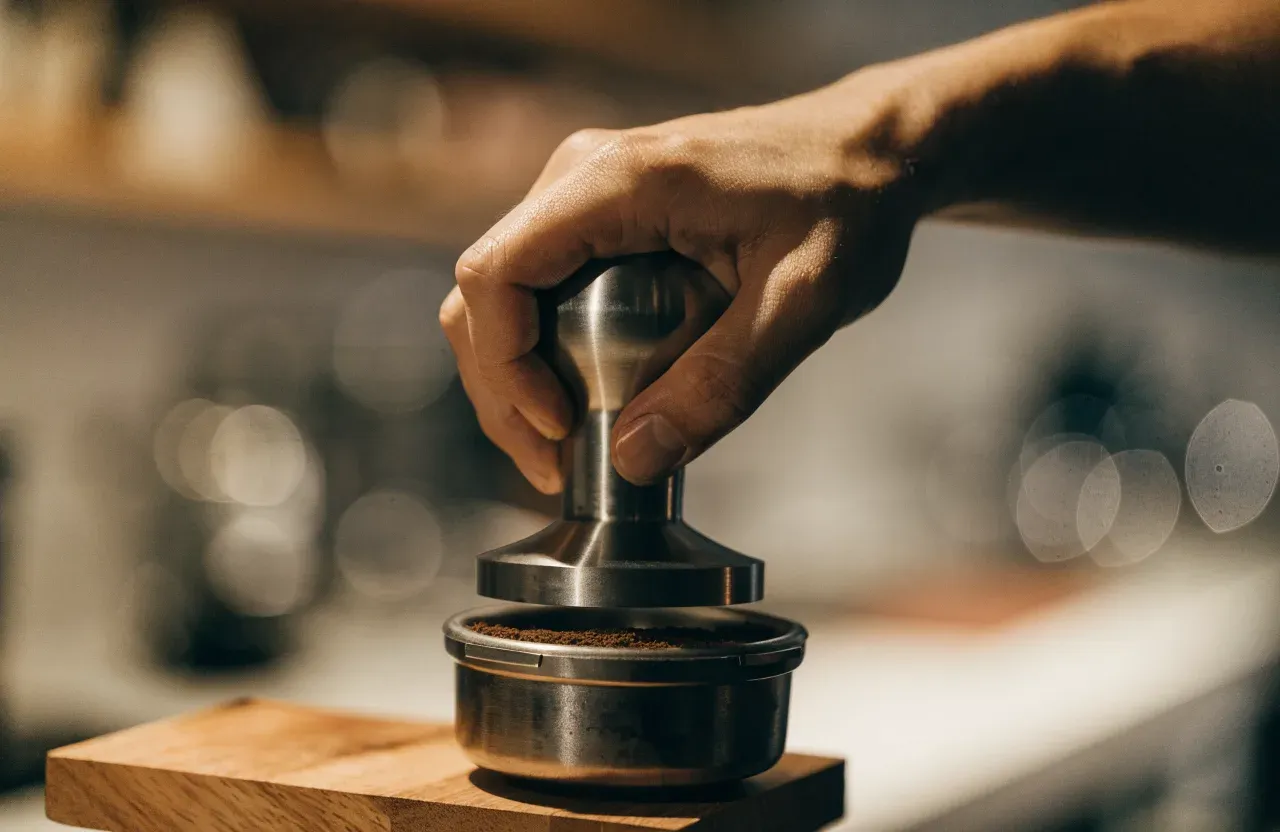
Where the 30 lb rule came from, why a level puck beats a hard one, and what to do before the tamper ever touches the coffee.

Six pieces of kit change what comes out of your machine, and a long list of accessories does not. Here is the order to buy in and what each one actually fixes.
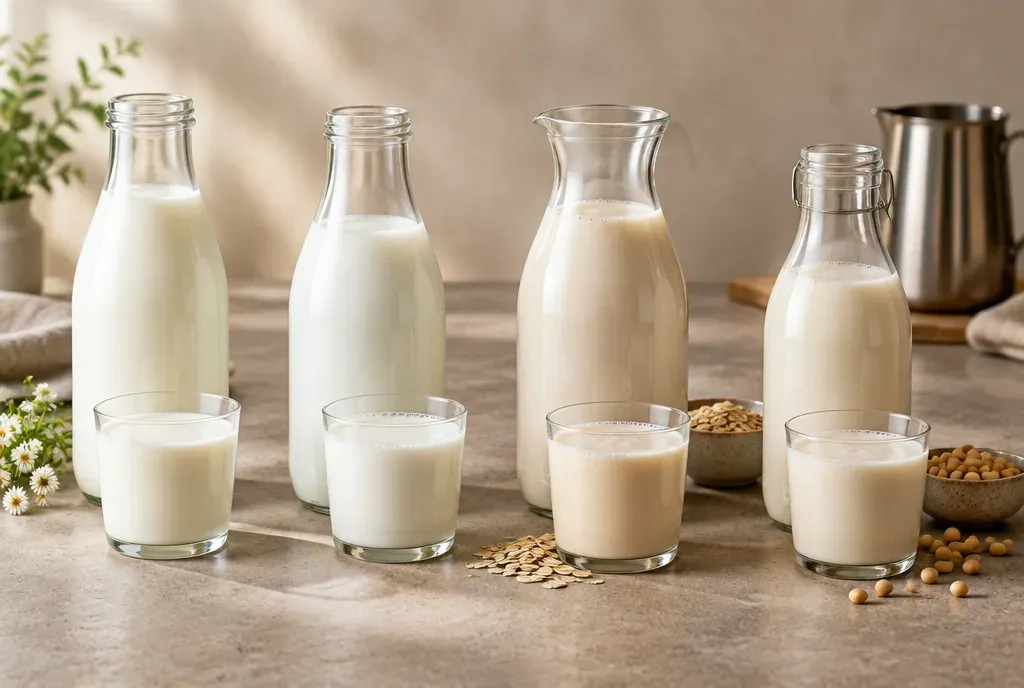
Protein builds the foam, fat softens it and sugar makes it taste sweet. What that means for whole, skimmed, oat and the rest at the steam wand.
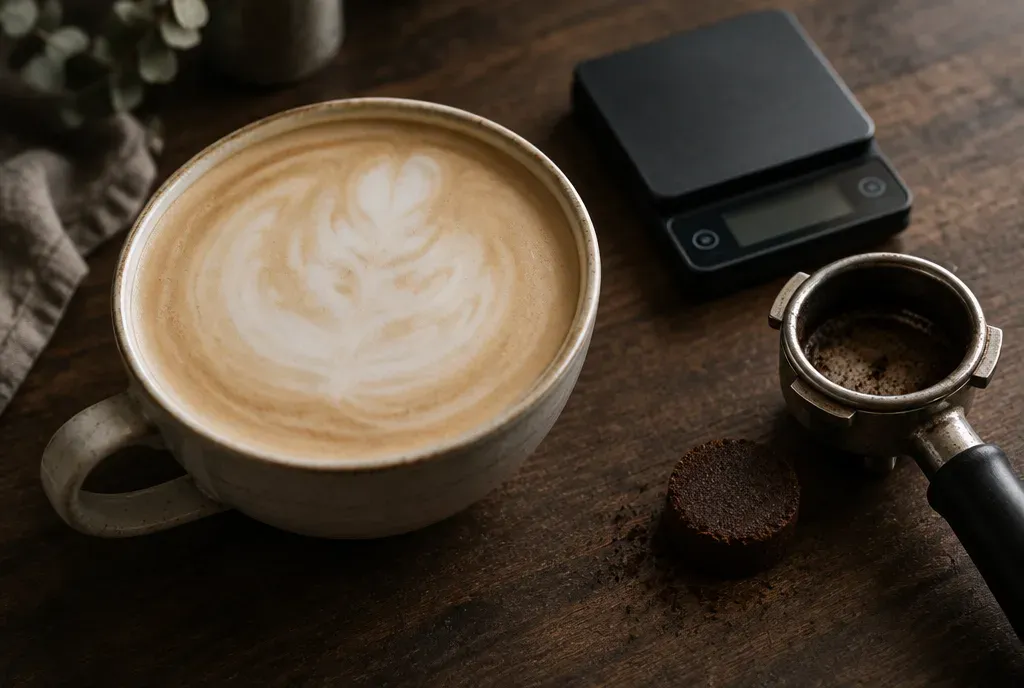
A weak latte is usually arithmetic, not a weak machine. Check the ratio, then the shot, then the milk temperature, then the cup, in that order.