Techniques
Distribution, puck prep, pouring and the habits that make them repeatable.
The technique layer: the part of good coffee that no purchase can buy on your behalf.
8 explore
Distribution, puck prep, pouring and the habits that make them repeatable.
Scales, distributors, WDT tools, baskets: what earns its counter space.
Milk texture first, pattern second, and in that order. Why most pours fail in the jug.
Yield, strength and TDS: how to read a shot instead of guessing at what went wrong.
The one variable to change first, and alone, before you touch dose, time or temperature.
Brew temperature by roast level, and how much stability really matters.
Ristretto to lungo, the filter ratios worth memorising, and what each one does to the cup.
Level beats hard, and the pressure debate is settled. What a tamp is actually for.
Featured
What to buy, at every budget, and why.
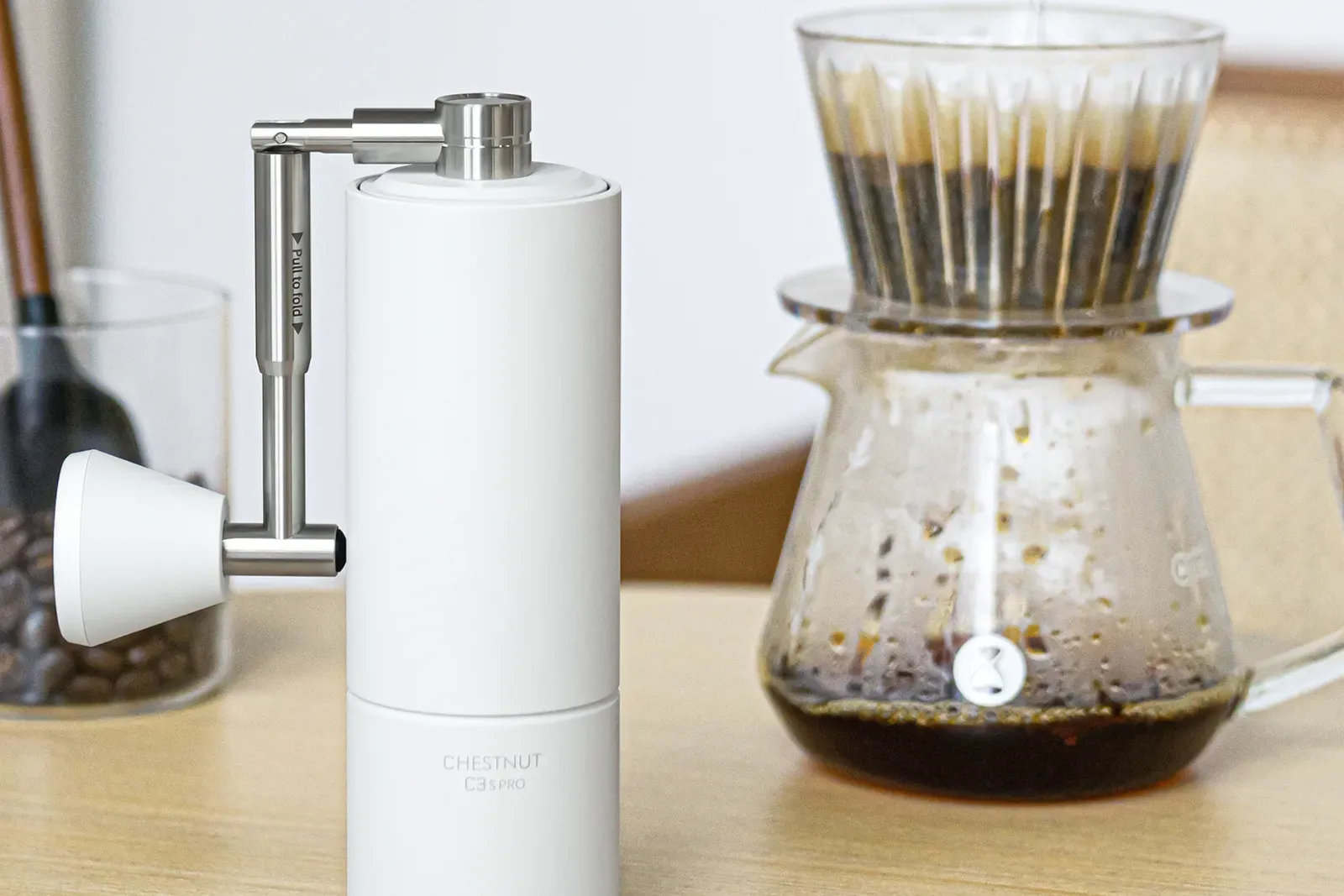
Coffee gifts from about $25 to a real treat: a V60, a proper scale, a hand grinder, a kettle, and what to find out first so the gift gets used.
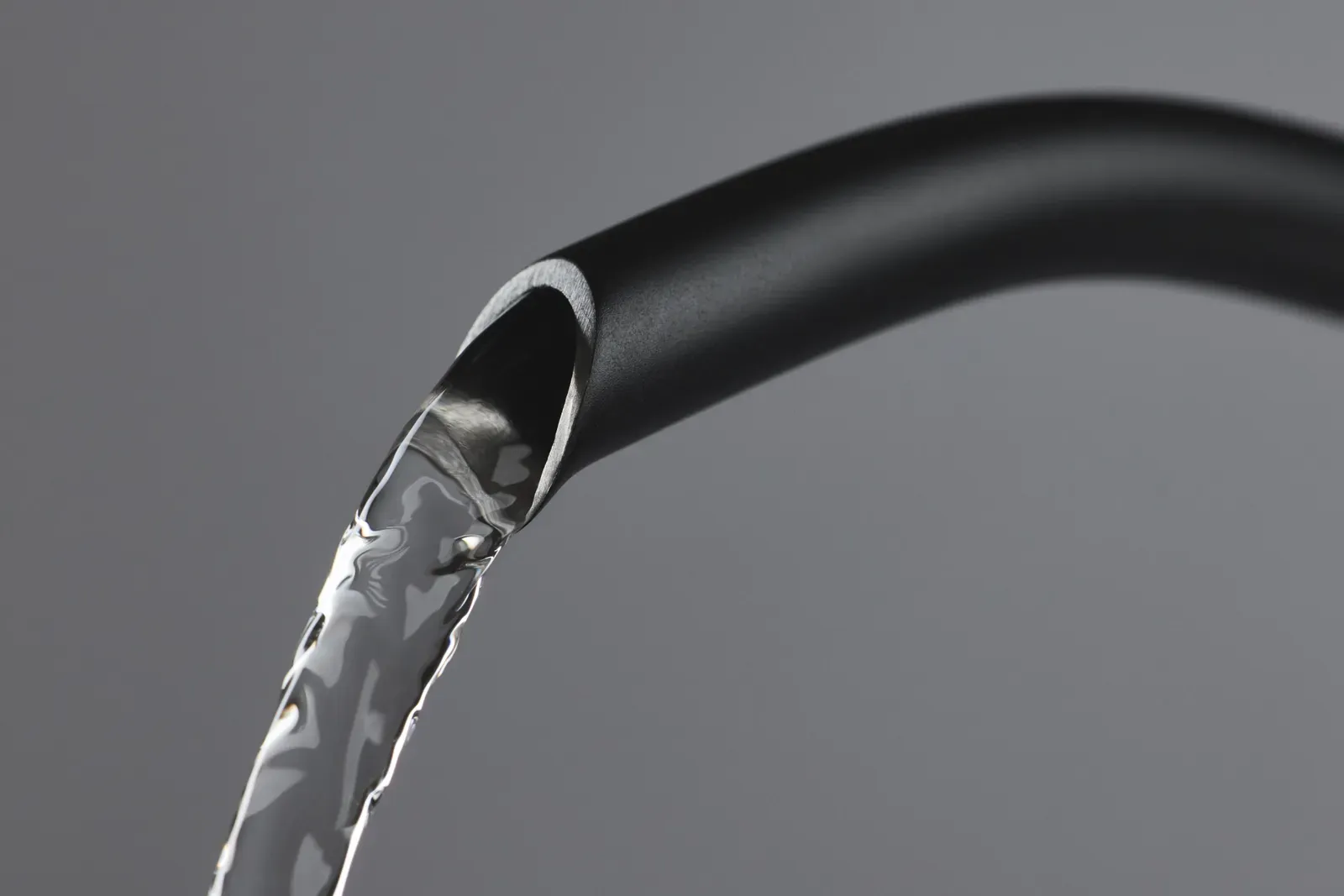
A spout you can aim, water at a repeatable temperature, a scale that reads 0.1 g fast enough. What to pay for in kettles and scales, and what to skip.
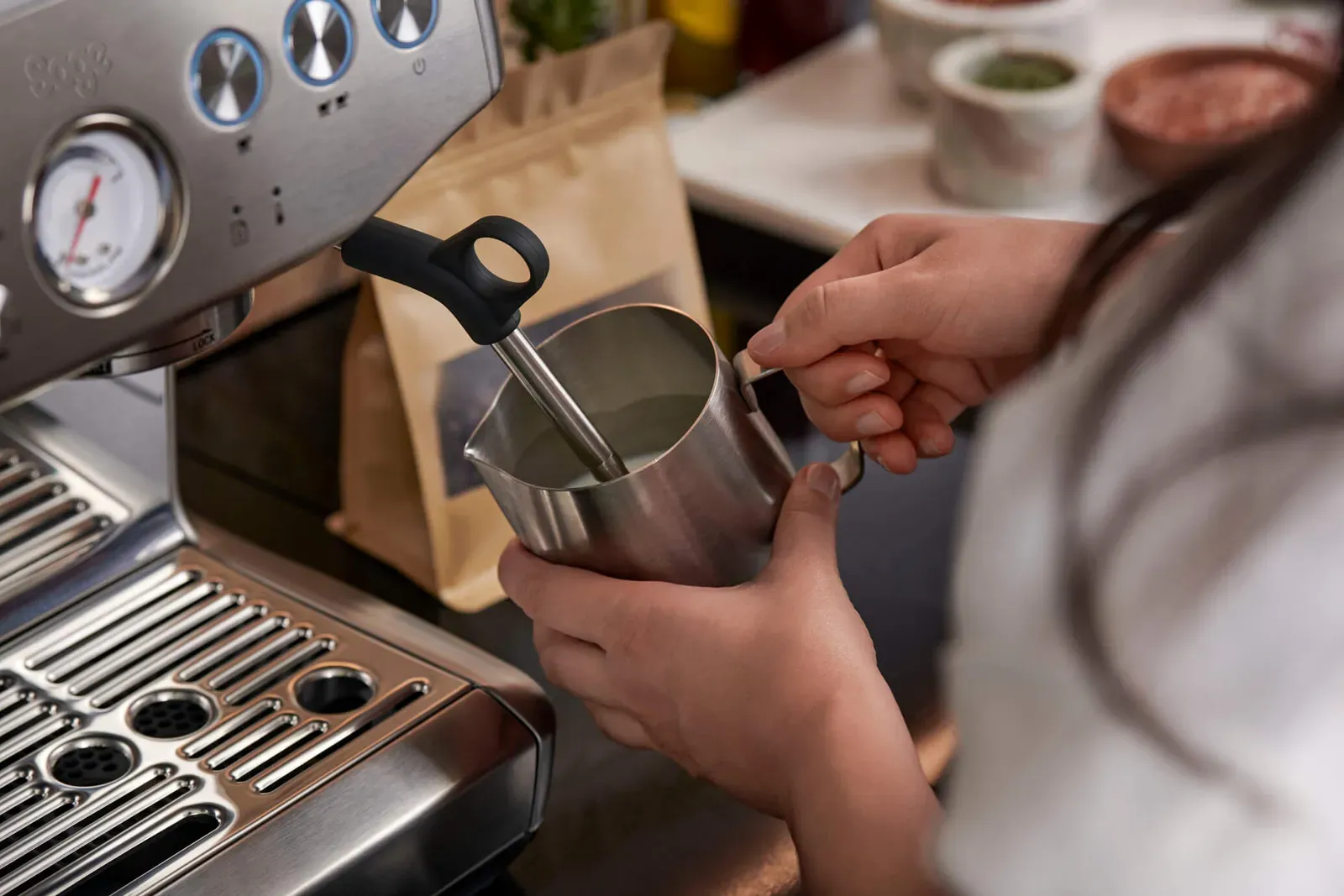
Which jug for which drink, whether a thermometer earns its place, and what a frother can and cannot do when the machine has no steam wand.
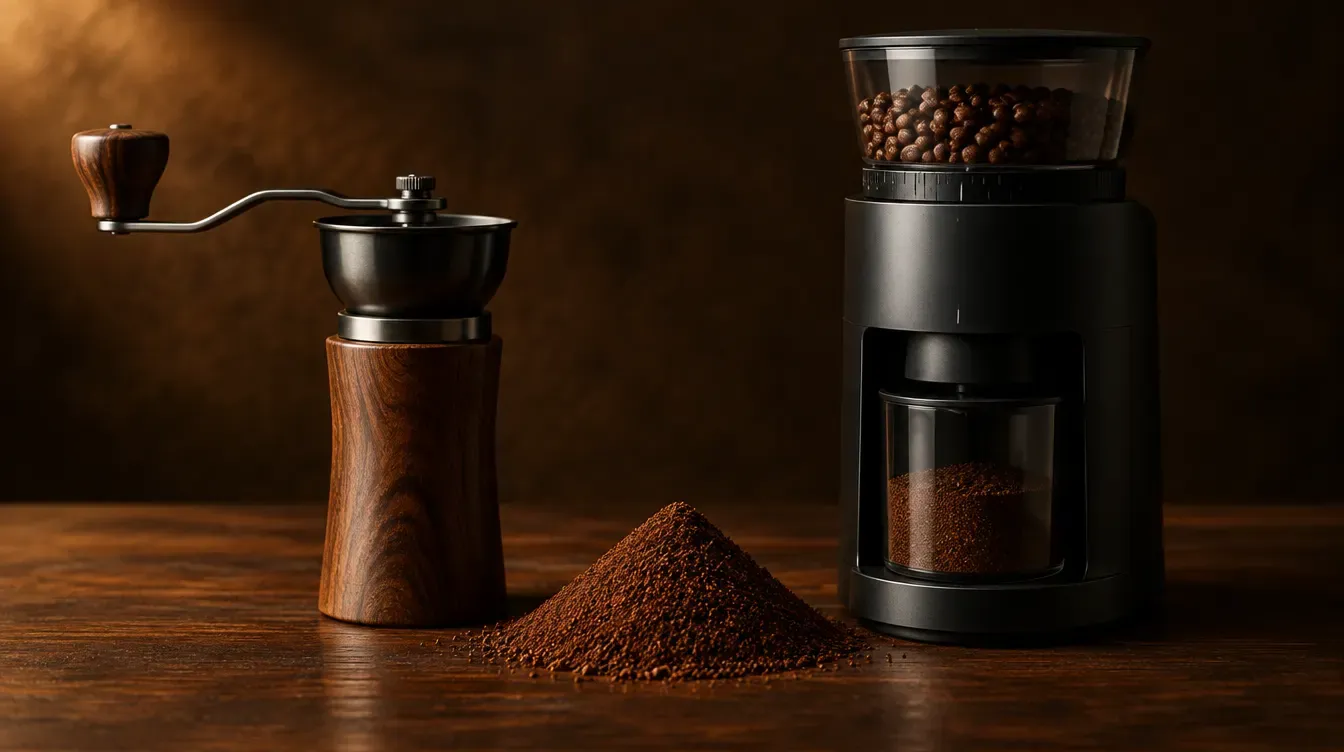
Burr geometry, retention and step size decide what a grinder is good for. Here is which one to buy for espresso, for filter, and for both.
Espresso drinks, filter builds and everything in between.
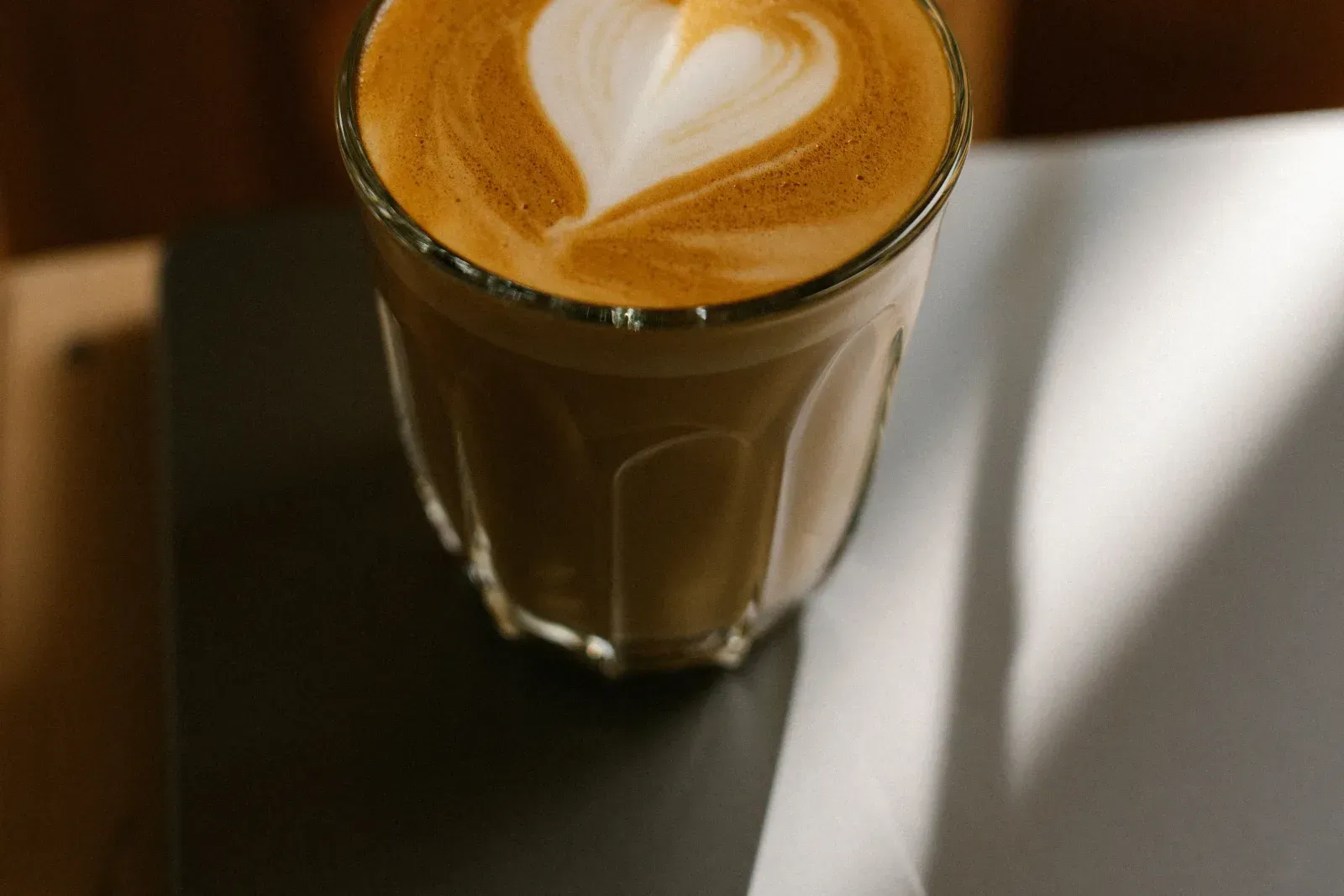
A double espresso cut with the same volume of warm milk, served in 120 ml of glass. Balance rather than foam, and the shortest milk drink worth ordering.
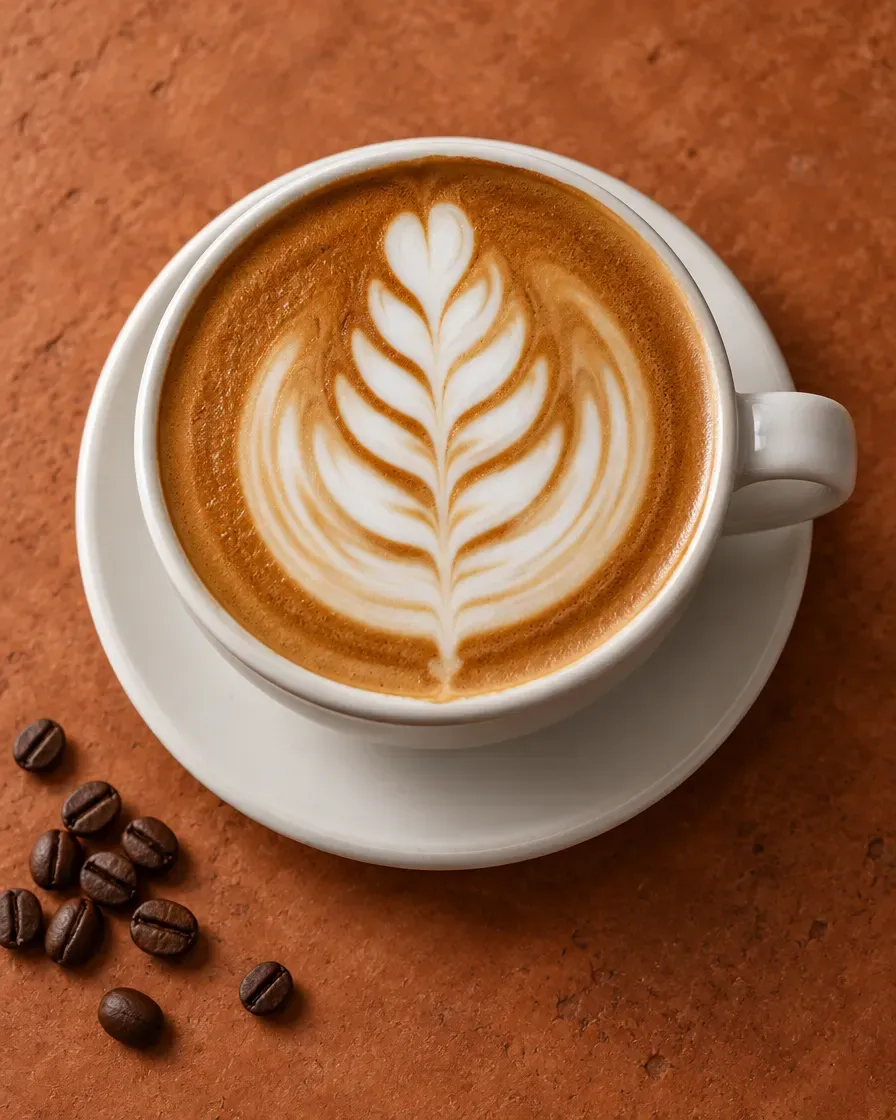
Equal thirds of espresso, steamed milk and foam, served in a 150–180 ml cup. The classic ratio, and how to hit it at home.
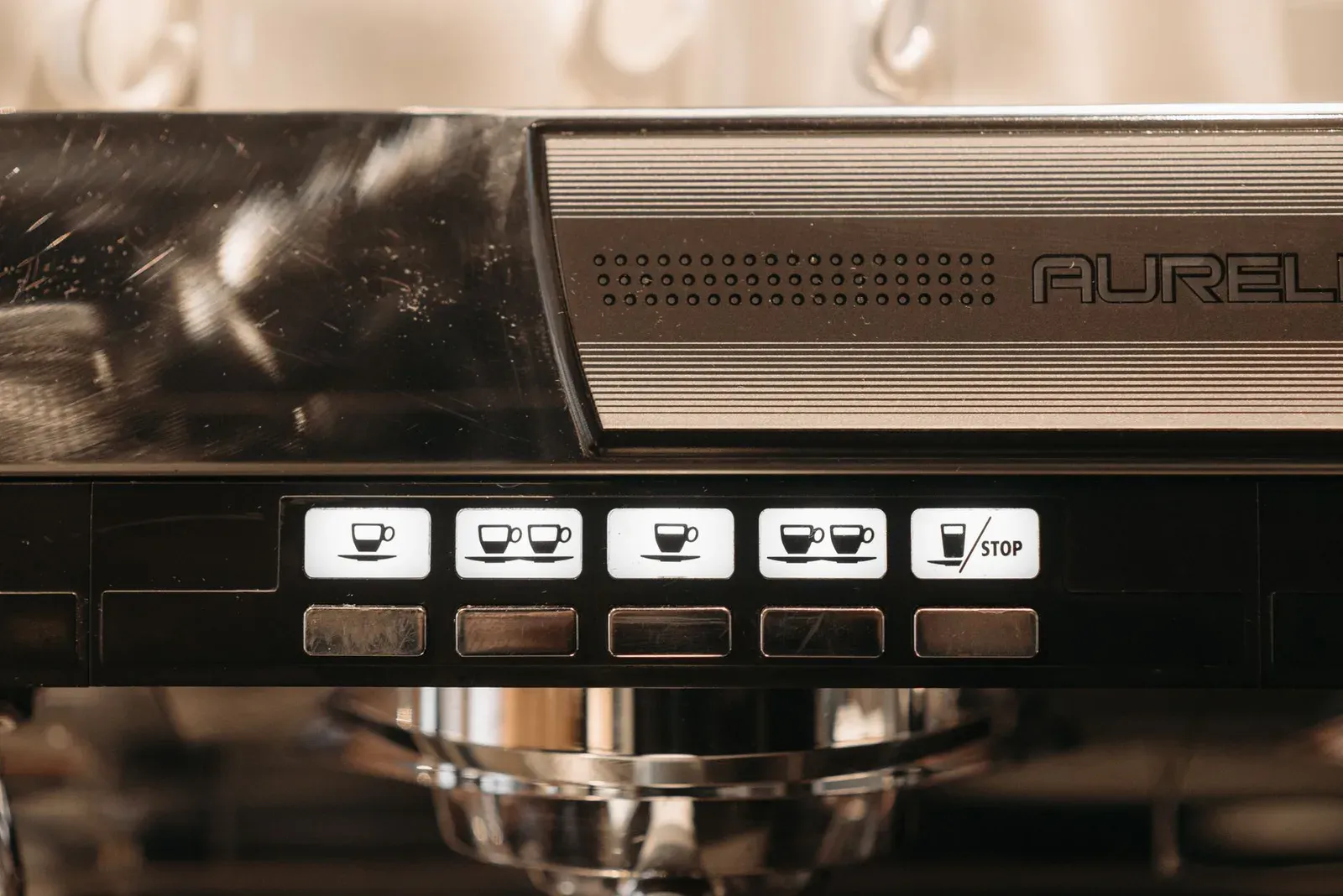
How a bar machine decides when to stop a shot, why volumetric dosing drifts, and what a paddle gives back to the person holding it.
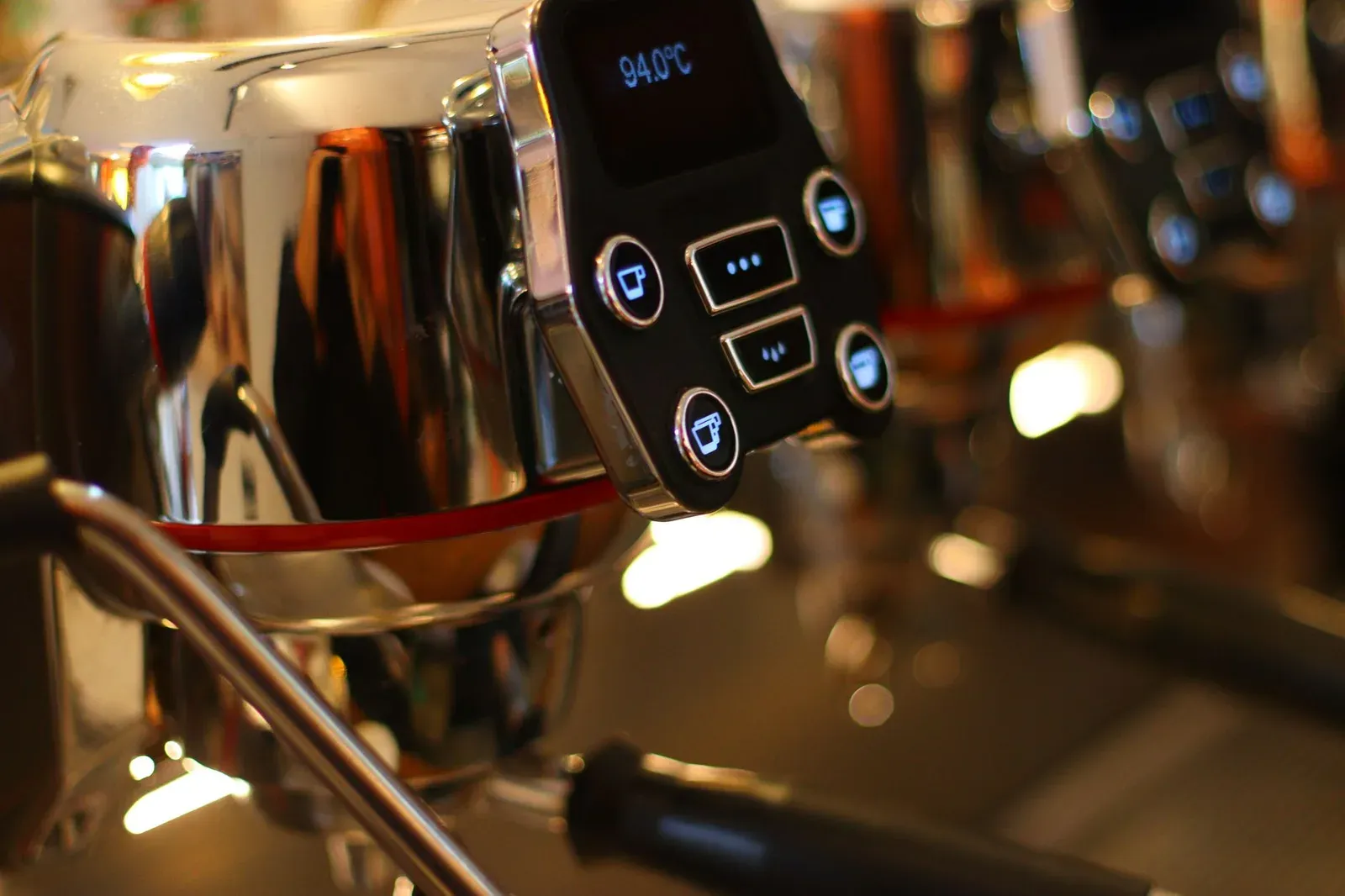
A PID holds brew temperature to a fraction of a degree. That matters for a light roast and a repeatable shot, and much less for a dark roast in milk.
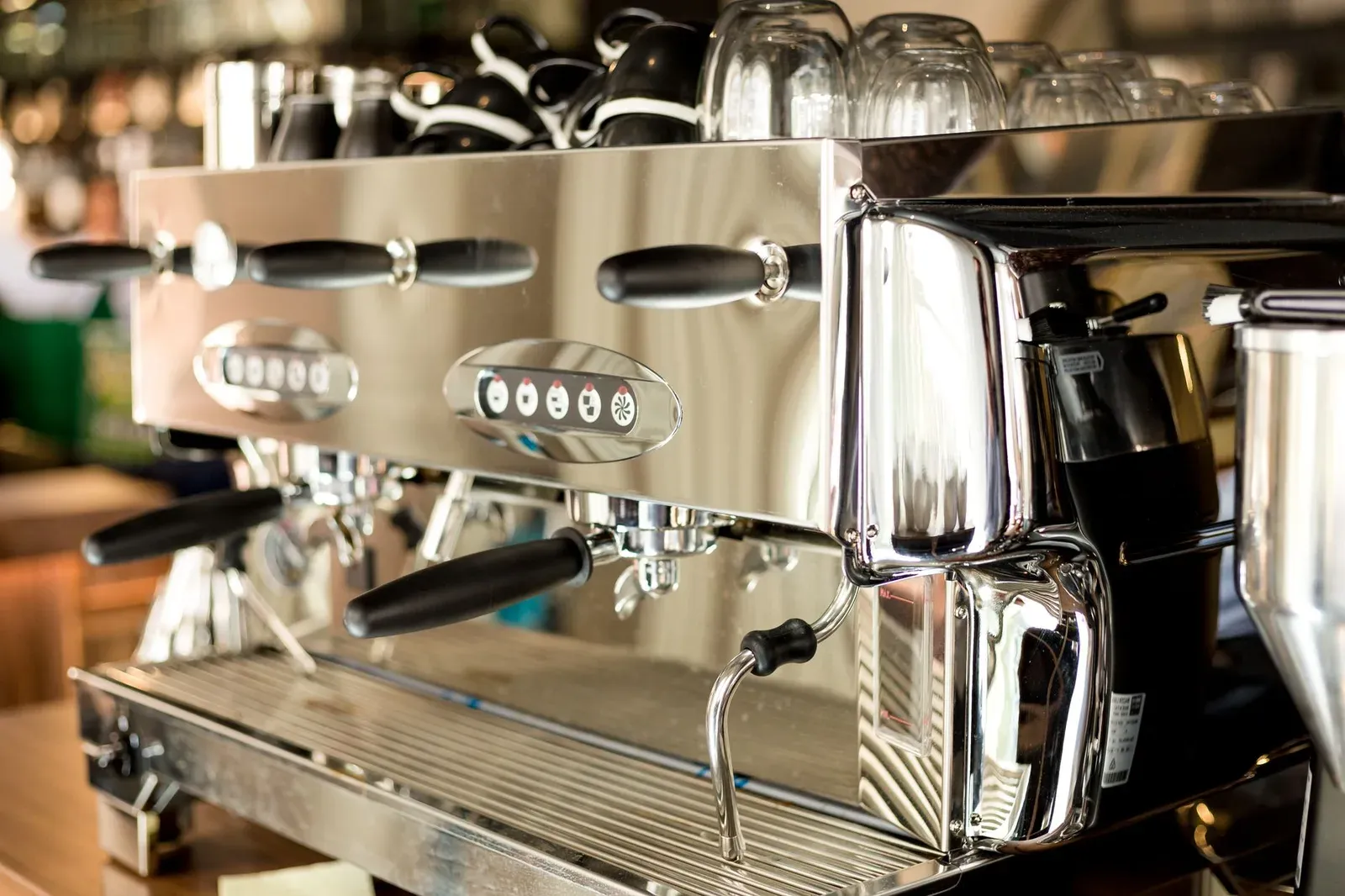
The three ways a machine makes brew water and steam at once, what each one costs you in waiting, and which one suits how you actually drink.
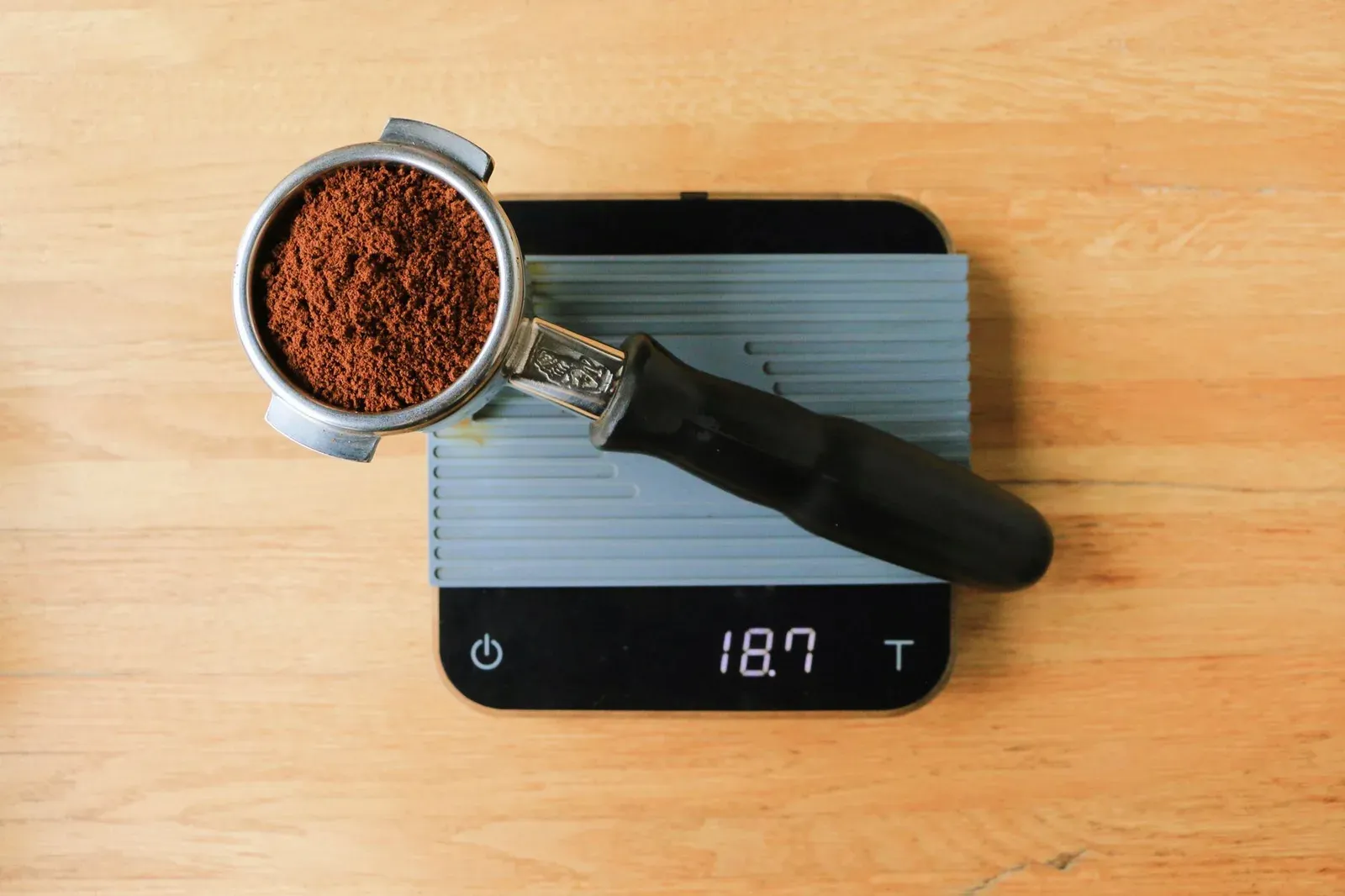
A repeatable routine for the first four shots from a new coffee: what to fix, what to change, and how to know when you are done.
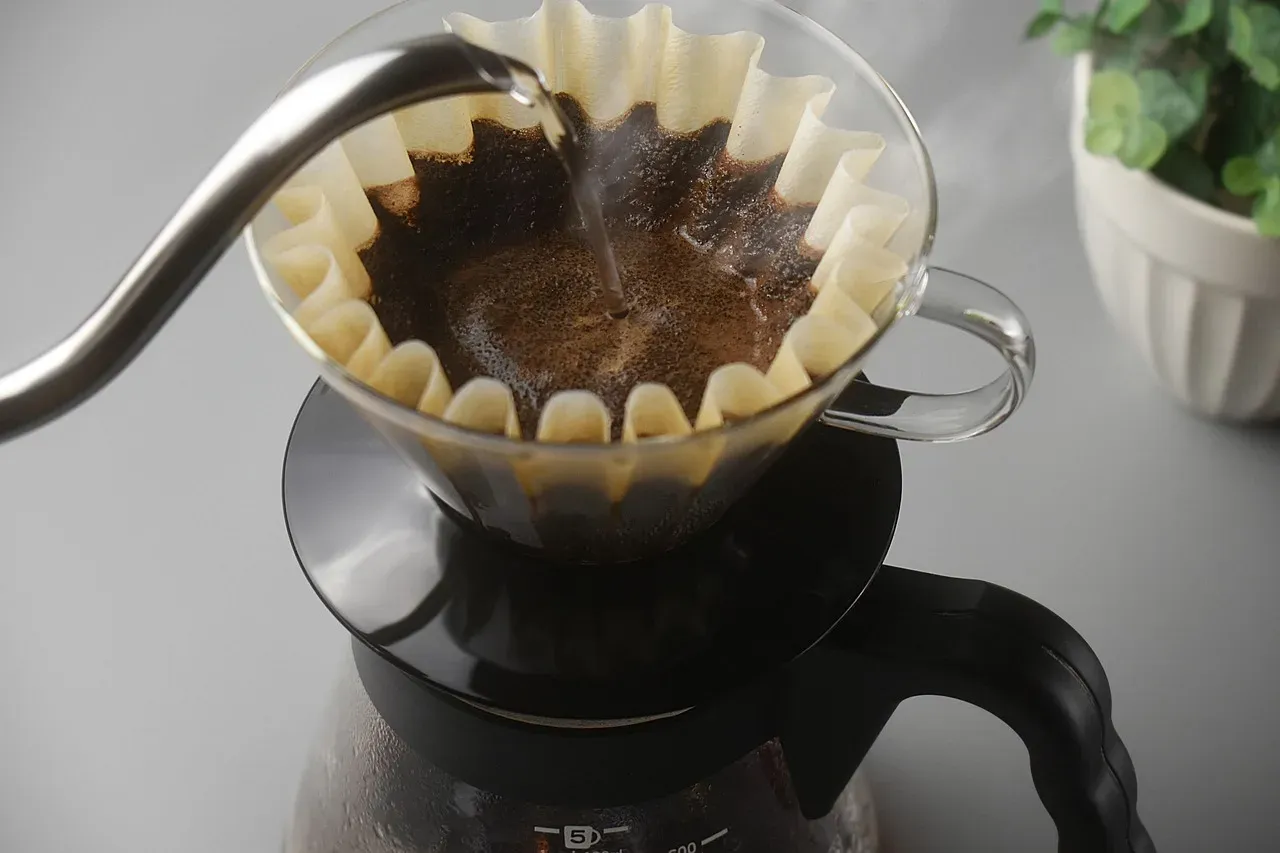
Wetting the coffee before you brew it properly is the same idea on an espresso machine and on a pour over. What it fixes, and how long it should last.
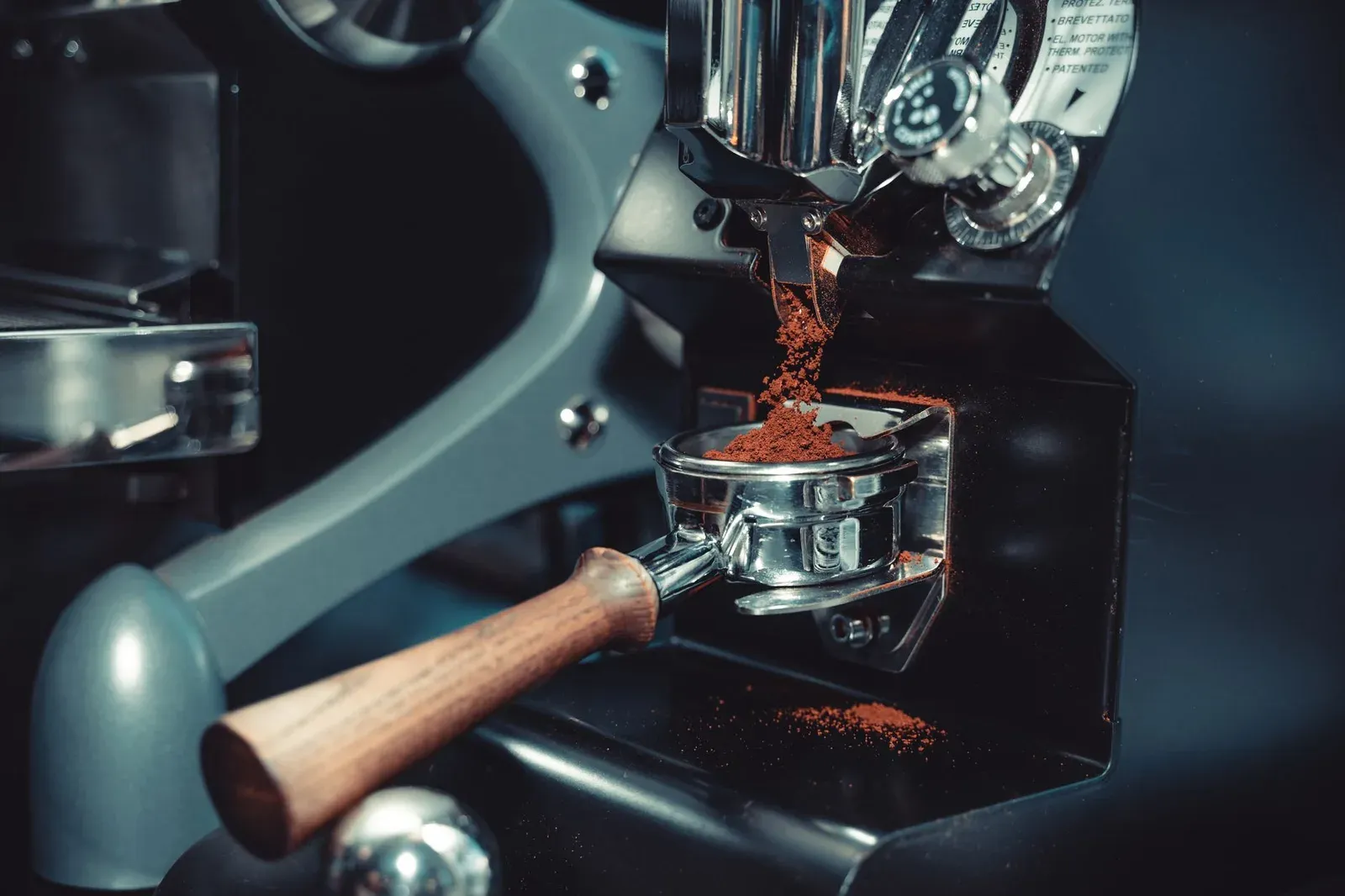
What happens between the grinder and the group head decides the shot. Clumps, distribution tools, the WDT needle, and which steps are worth the time.