Espresso
Nine bars, thirty seconds, and the tightest tolerances in coffee. Where the margin for error goes.
Every way to get coffee out of a bean, with the variables that matter.
Grind size, water temperature, ratio and time. Every method is a different way of trading those four against each other.
10 explore
Nine bars, thirty seconds, and the tightest tolerances in coffee. Where the margin for error goes.
Conical, ribbed and unforgiving: the pour-over benchmark, and the pour schedule that tames it.
A thick bonded filter, a very clean cup and a long brew. What the paper takes out, and what it leaves.
Immersion and pressure in one plastic tube. Nearly impossible to ruin.
Full immersion, a metal filter and maximum body. The method that rewards a coarse, even grind.
The stovetop icon, how it actually brews, and the three changes that stop it tasting burnt.
Two glass bulbs, a flame and a vacuum. Full immersion at a steady temperature, filtered by the pull of cooling air.
Twelve to twenty hours in cold water, very low acidity, and the concentrate ratios that work.
The family of methods where your pour is the variable, and the technique that makes it repeatable.
Batch brewers and the SCA certification that separates a good machine from a beige one.
Two glass bulbs, a flame and a vacuum. How a siphon brews, why its temperature holds so steady, and the recipe that gets a clean, full cup.
Machine-brewed filter coffee, and the certification that separates good brewers from beige ones.
The family of methods where the pour itself is the variable you are controlling.
The stovetop icon, how it actually brews, and the two changes that stop it tasting burnt.
Nine bars, twenty-five to thirty seconds, and the tightest tolerances in coffee.
Twelve to twenty hours in cold water, and why the result tastes nothing like iced coffee.
A bonded filter twenty per cent heavier than standard paper, and the clean cup it produces.
Full immersion through a metal filter: maximum body, and the decanting step most people skip.
Immersion plus pressure in a plastic tube, and the single most forgiving brewer you can own.
Hario's conical dripper rewards an even pour and punishes a careless one. Here is the pour that works.
Featured
What to buy, at every budget, and why.
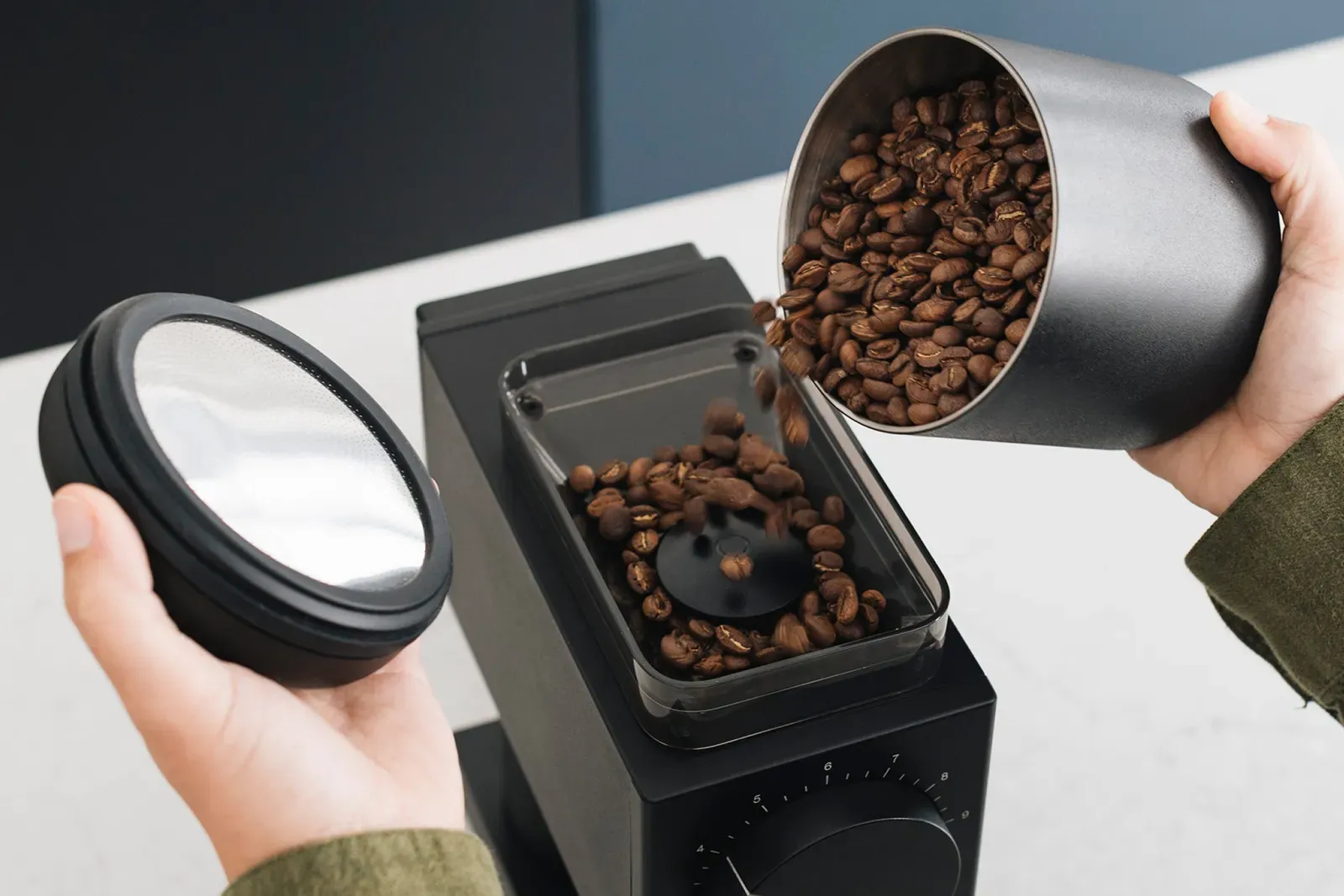
A filter grinder is judged at the coarse end: even particles, few fines, steps where you brew. What that means for burrs, loading and budget.
Moka pot sizes in real millilitres, aluminium against stainless steel, induction, the Brikka's valve, electric models, and the gasket you will replace.
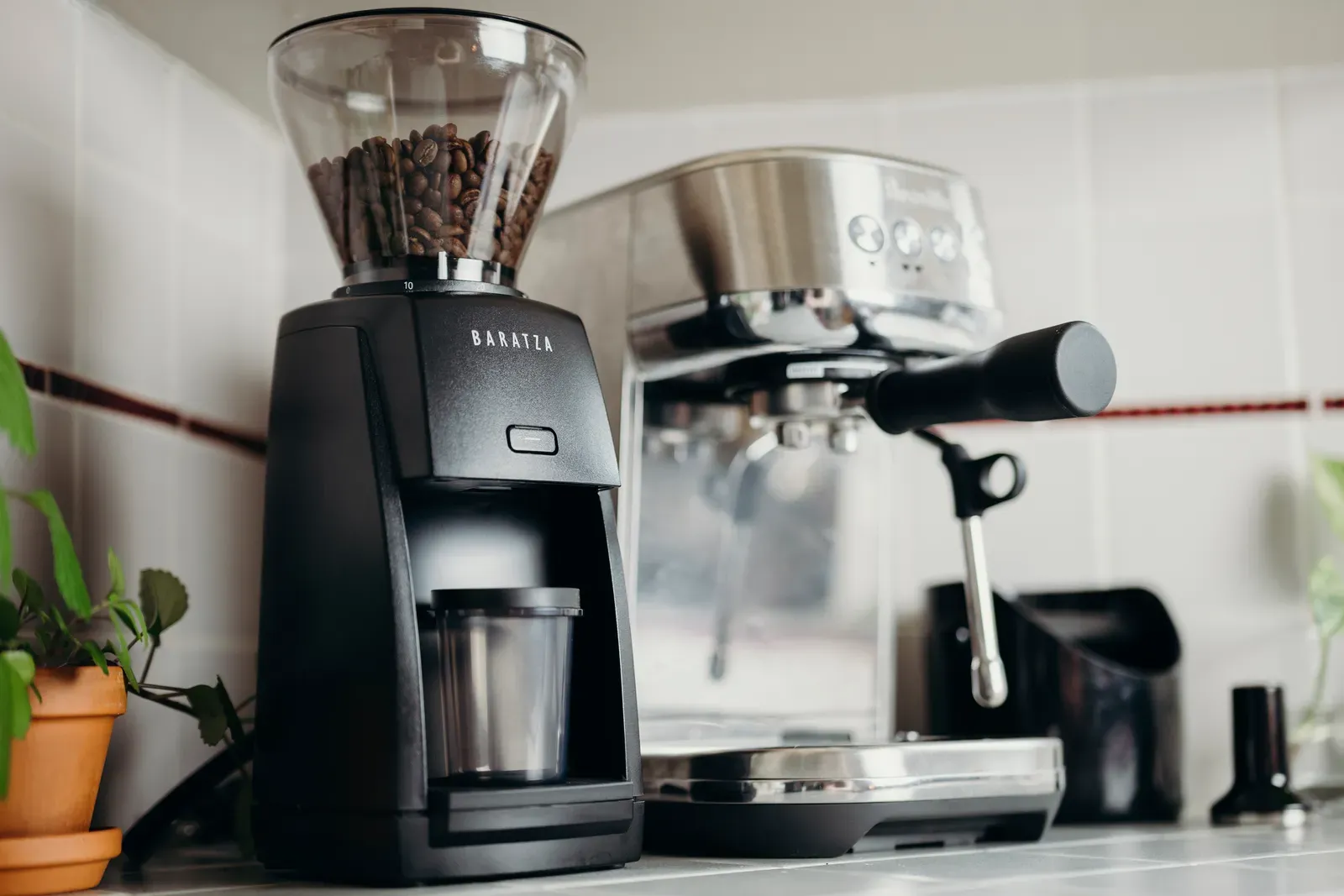
What espresso asks of a grinder that filter does not, from step size to retention, and three ways to answer it between about $199 and $449.
Which coffee to buy for espresso, filter, French press, moka, cold brew and milk drinks: roast level, process, origin, blend or single origin, and rest.
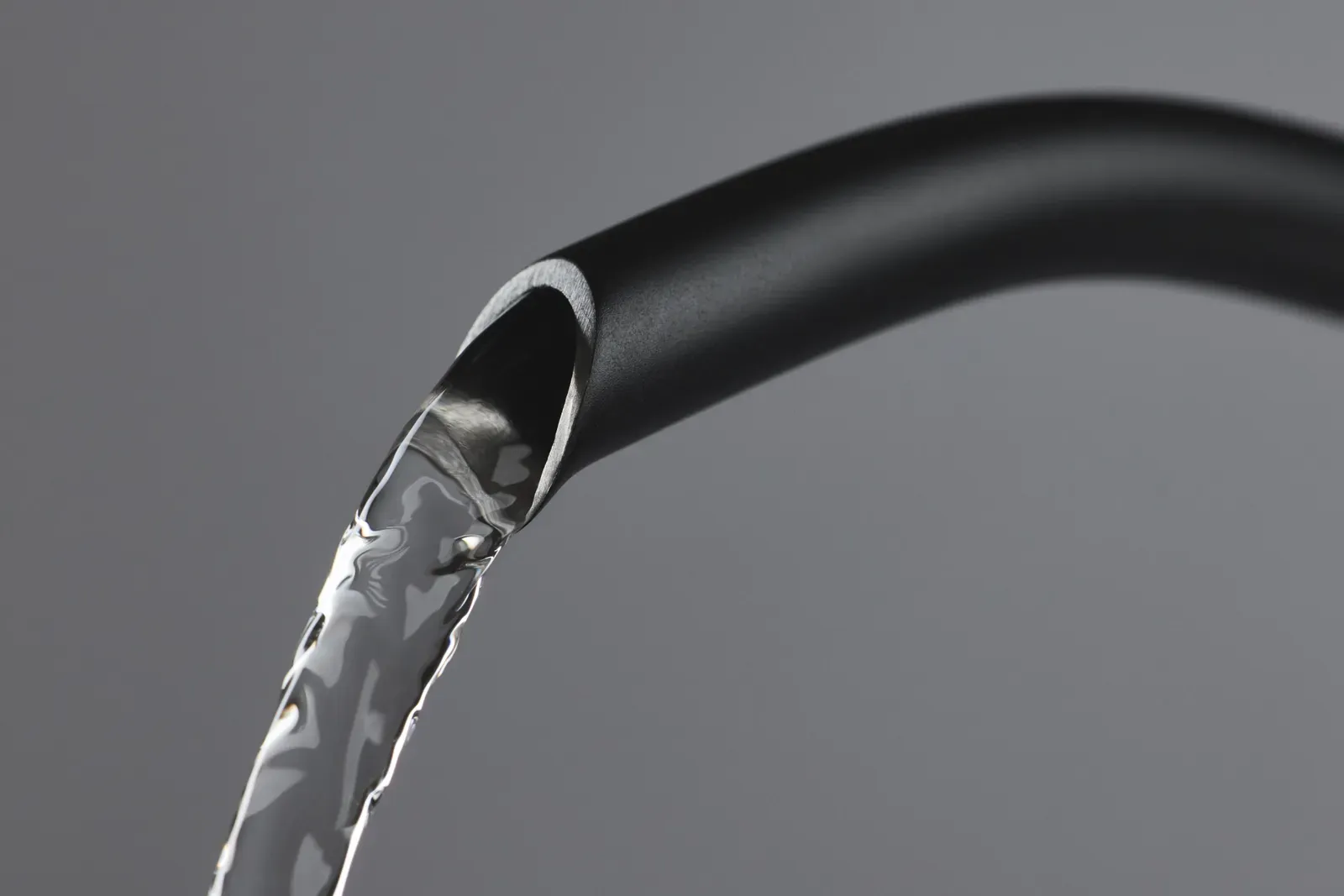
A spout you can aim, water at a repeatable temperature, a scale that reads 0.1 g fast enough. What to pay for in kettles and scales, and what to skip.
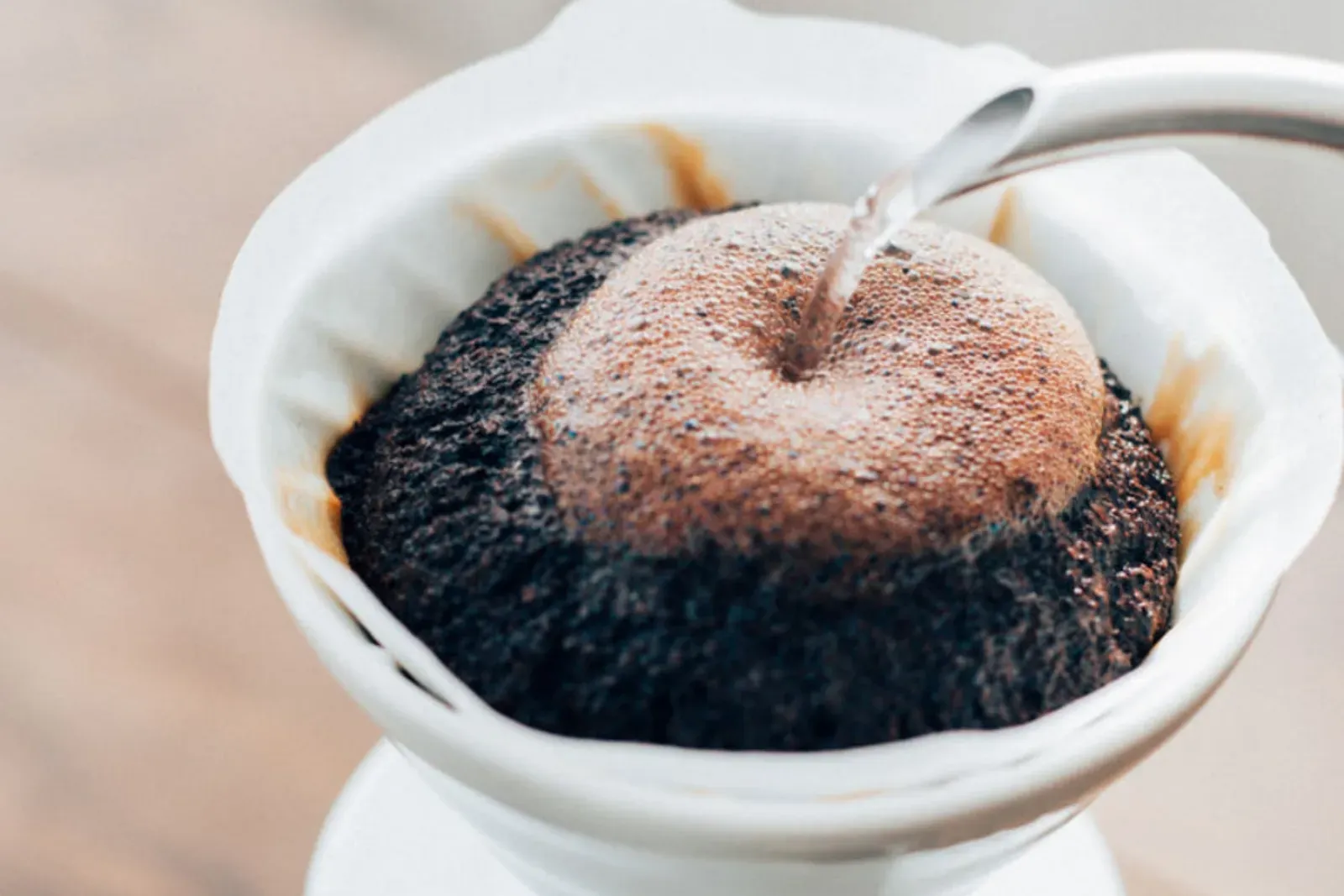
Which dripper, in which material, with which papers and server, and the order to buy the whole kit in so the money goes where the cup notices it.
Espresso drinks, filter builds and everything in between.
Fifteen grams, 250 of water, two minutes and a slow press. The recipe to learn first, and the three variables worth changing afterwards.
A 1:5 concentrate steeped for sixteen hours, which keeps two weeks and dilutes to whatever you want: black over ice, with milk, or into a tonic.
Sixty grams, a litre of water, four minutes and the trick that makes it clean: skim the crust instead of plunging through it.
15 g of coffee, 250 g of water, four pours. The everyday V60 recipe we come back to after testing every other one.
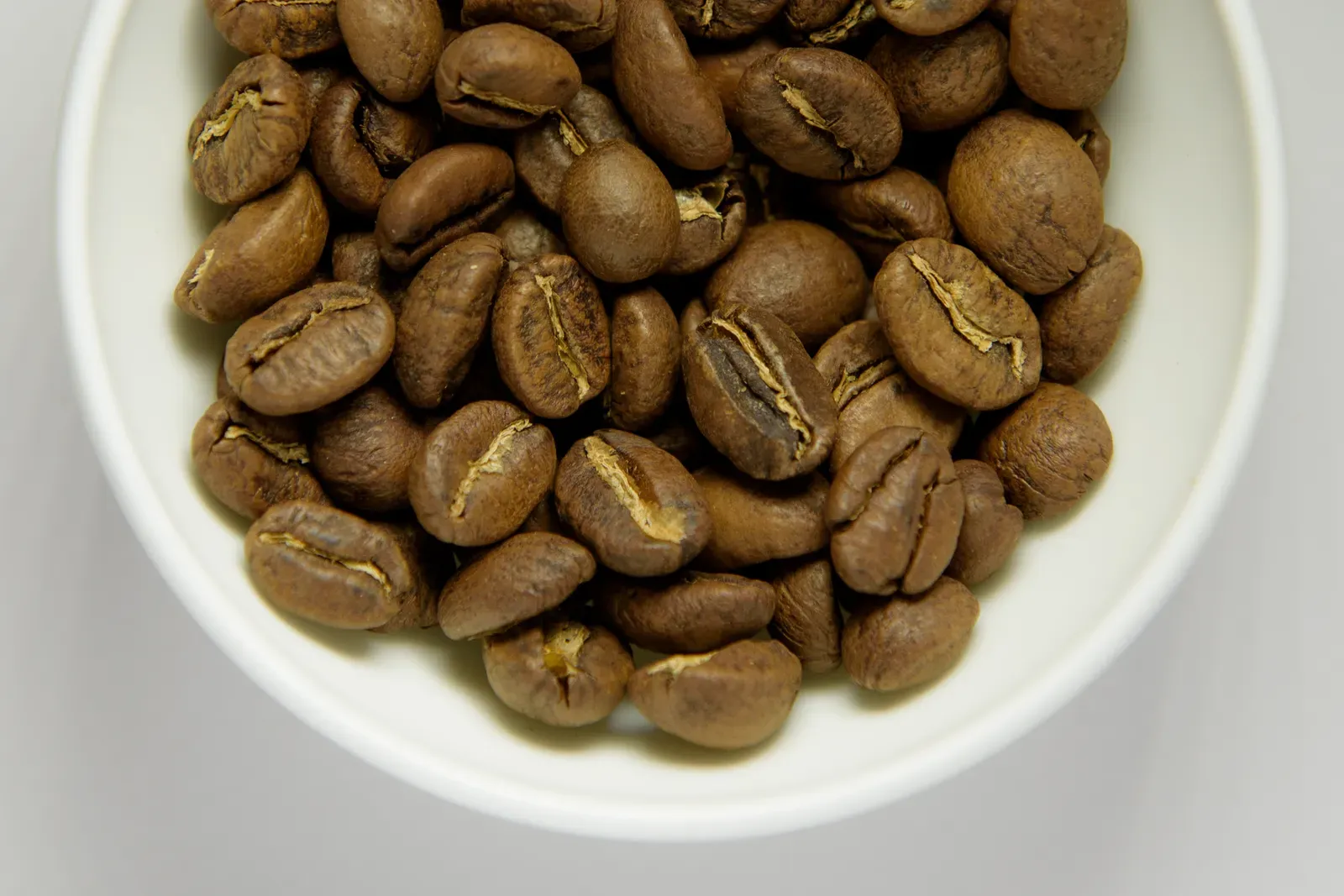
Roasted coffee is full of carbon dioxide for days. How long to rest beans for filter and for espresso, and what a bag that is too fresh does to the cup.
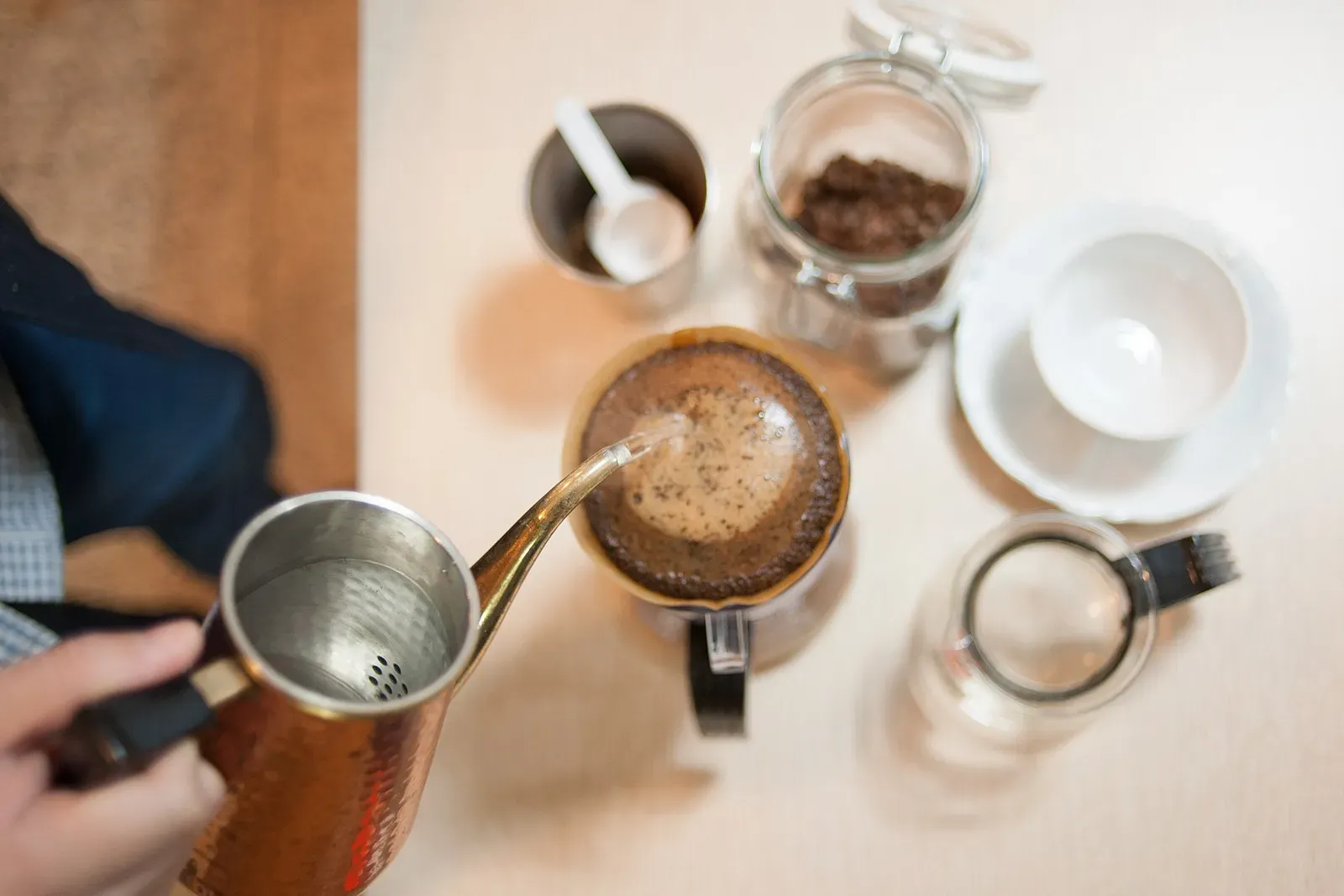
A V60 that stalls past four minutes is rarely the recipe. Grind, fines, agitation, paper and fresh coffee, checked in the order that finds the cause fastest.
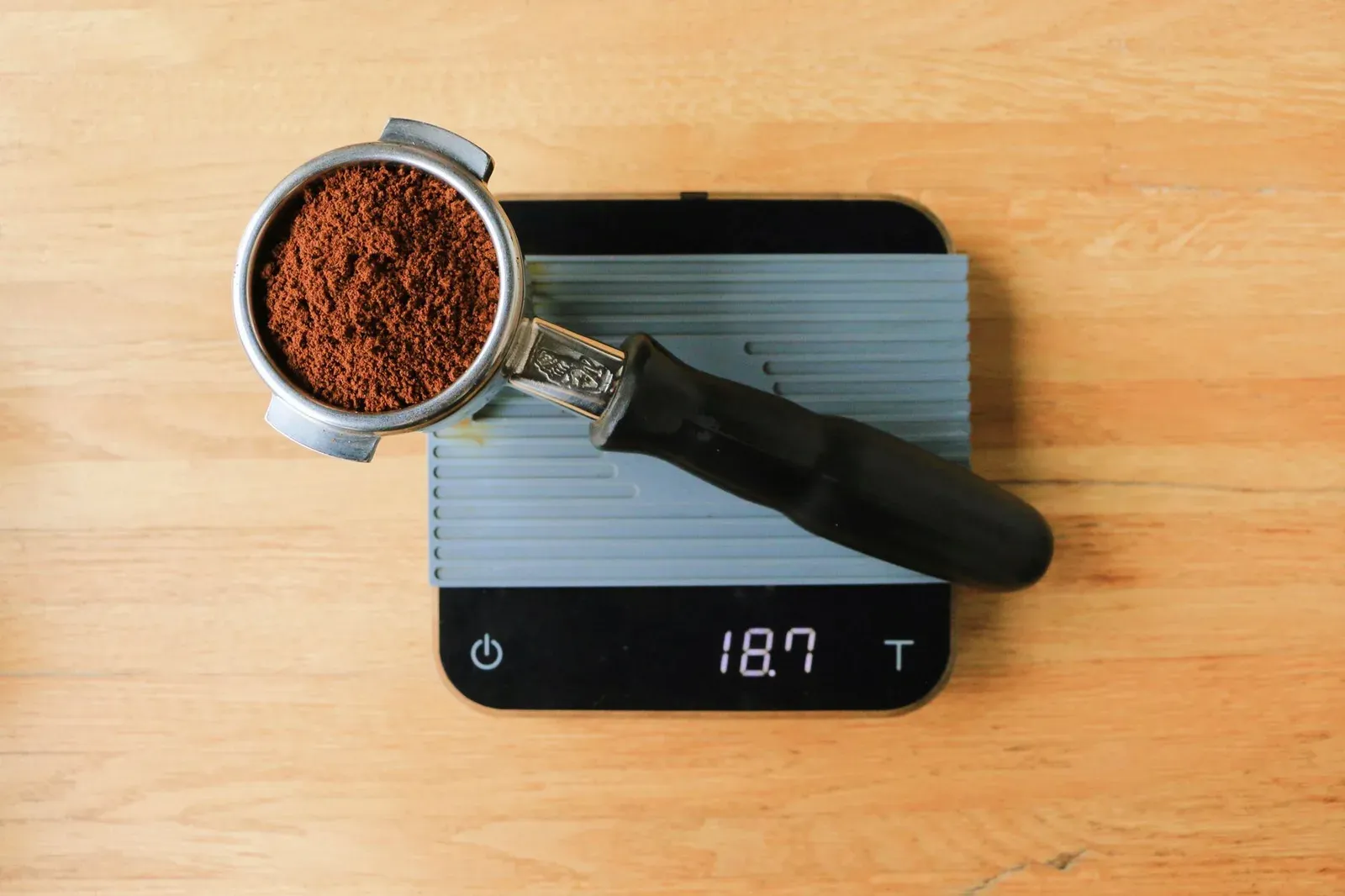
A repeatable routine for the first four shots from a new coffee: what to fix, what to change, and how to know when you are done.
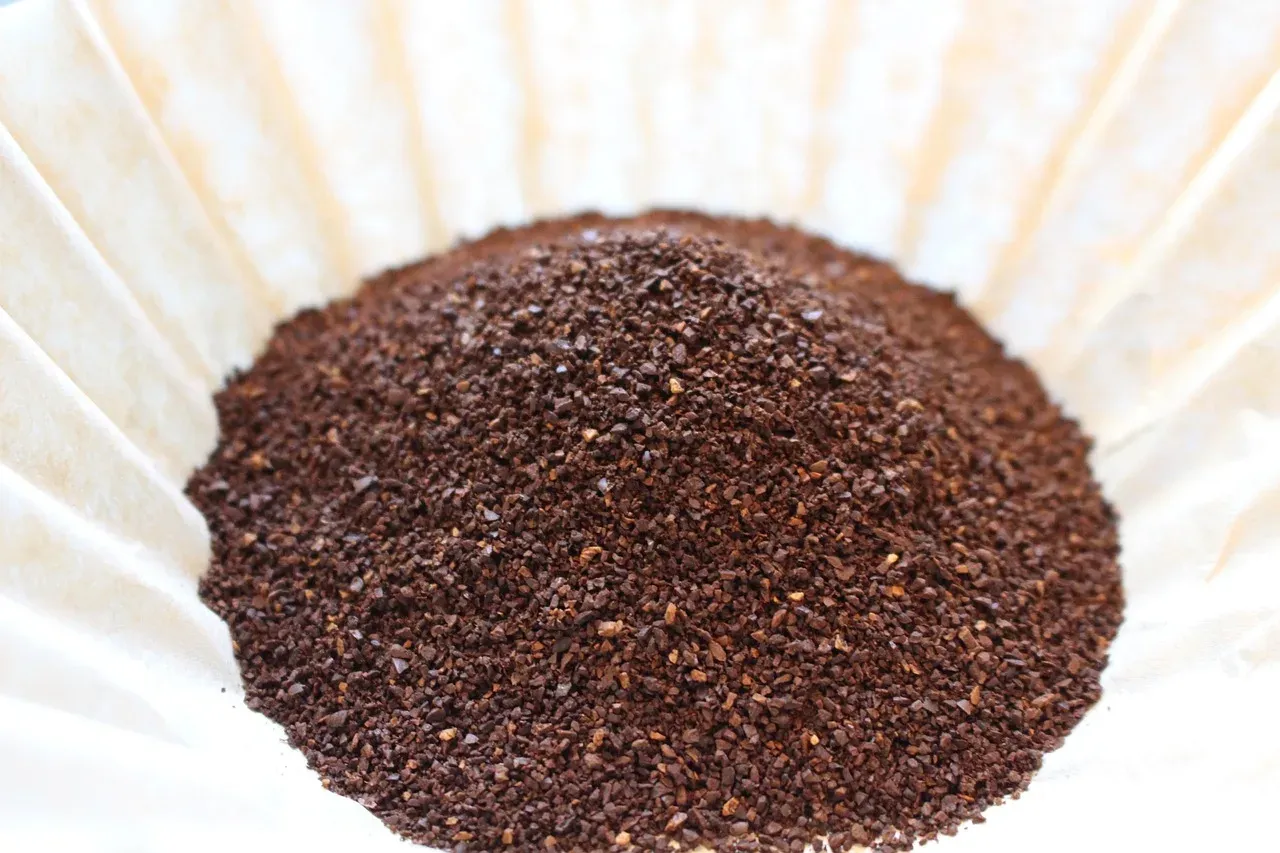
Bleached, natural, cloth and metal filters change body, clarity and even the oils in a filter coffee. What each one lets through, and what it holds back.
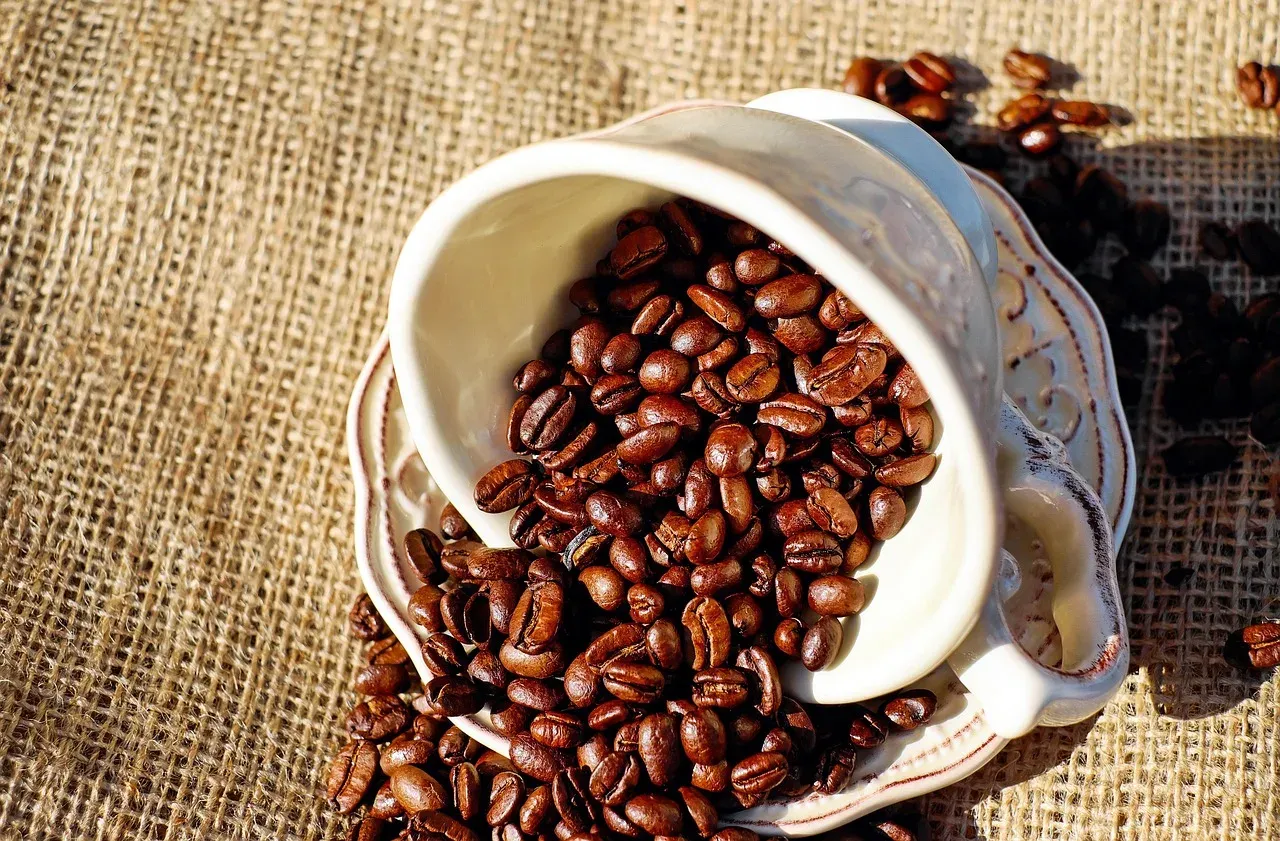
A double espresso holds less caffeine than a mug of filter, and roast level barely matters. The numbers, and where the intuitions go wrong.
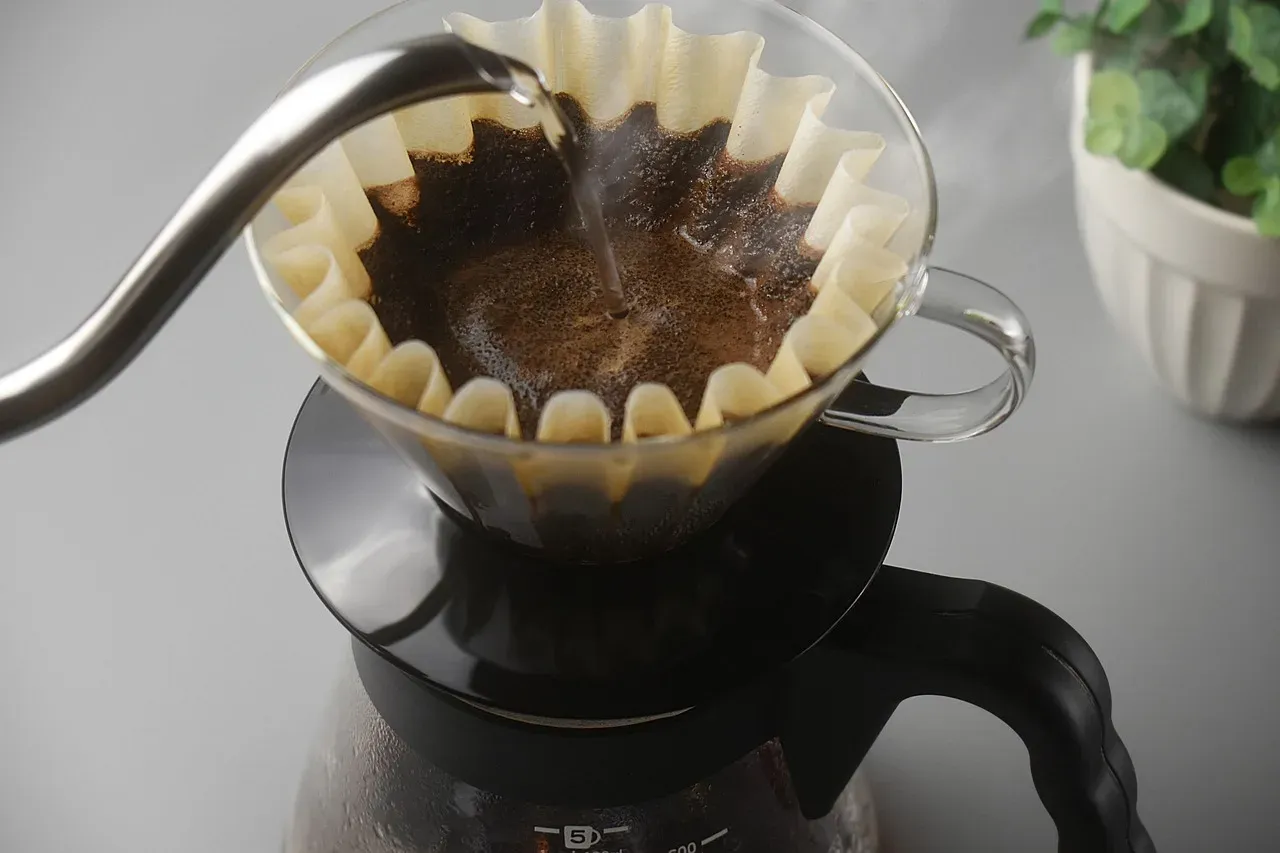
Wetting the coffee before you brew it properly is the same idea on an espresso machine and on a pour over. What it fixes, and how long it should last.
Hands-on tests measured on the bench, and first looks at kit we have not tested yet, marked as such and never scored.
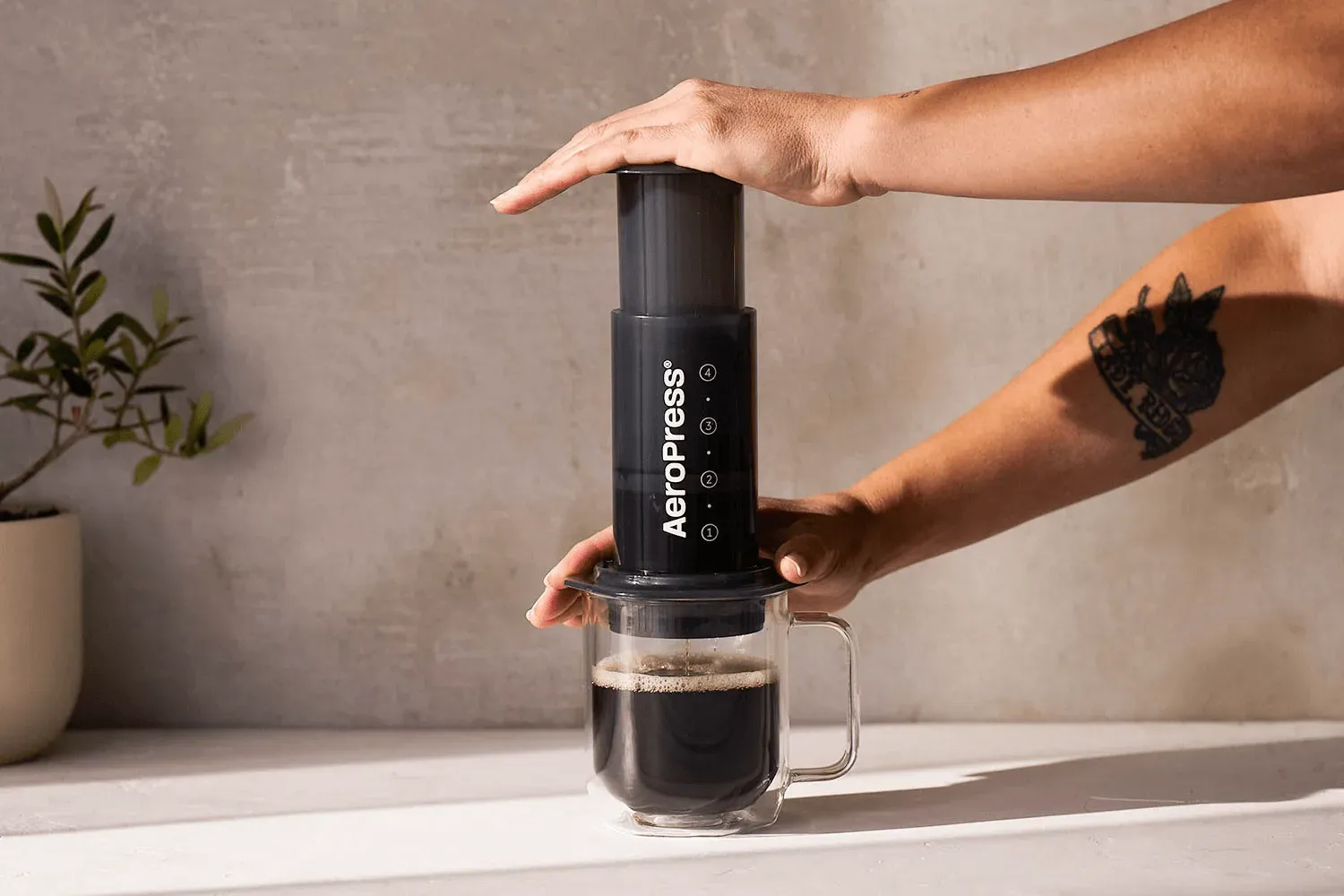
First look
A ten-ounce plastic press that steeps, then pushes the coffee through paper. What the specification promises, who it suits and where it stops.
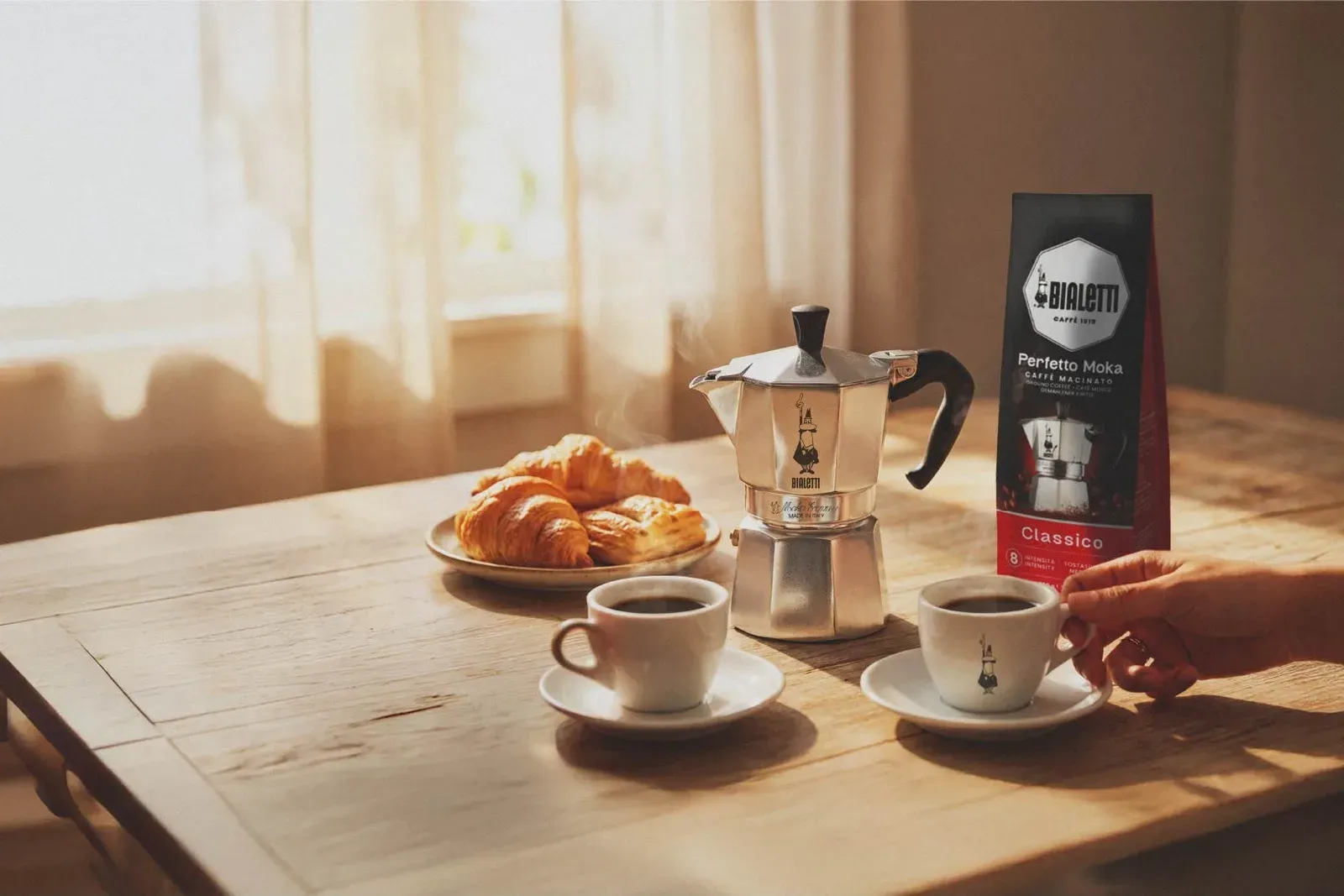
First look
The 1933 eight-sided aluminium moka pot in its 3-cup size: what the specification says, how it brews and who should buy it over a steel pot.
First look
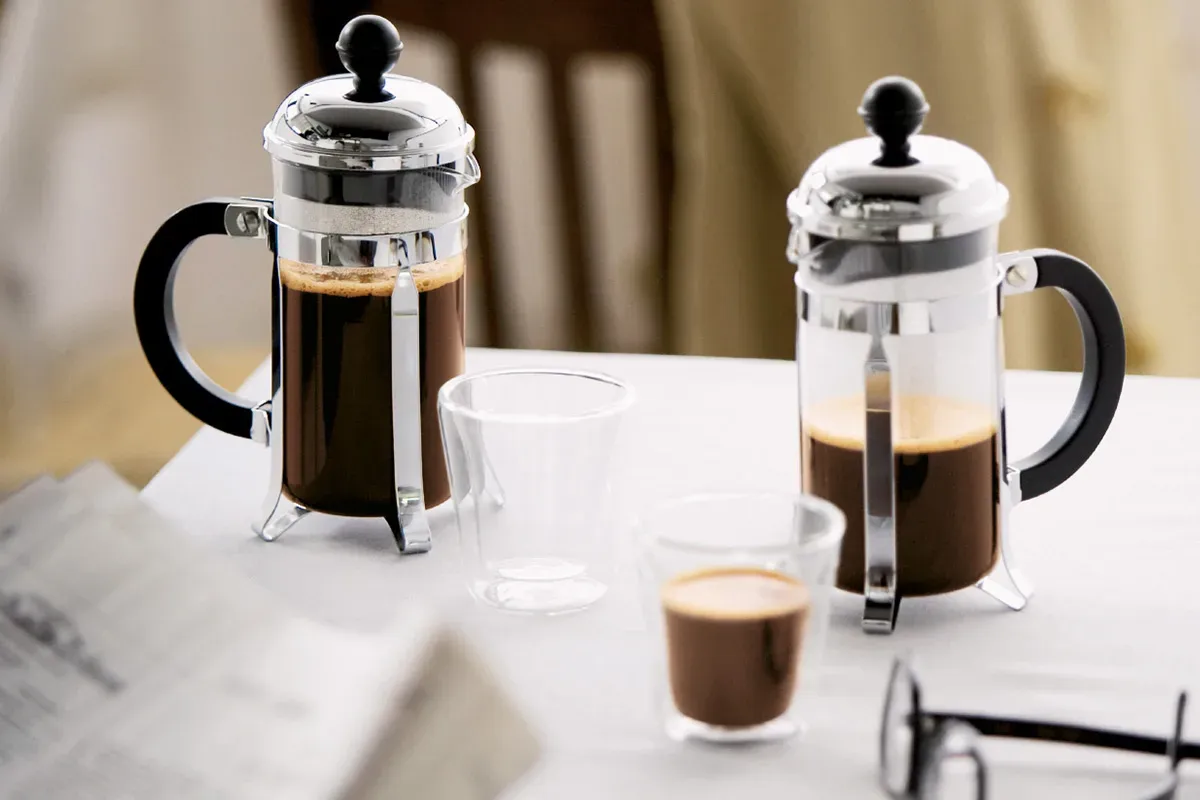
The press most kitchens picture first. What a one-litre glass and chrome Chambord promises, where it loses heat, and who it suits.
First look
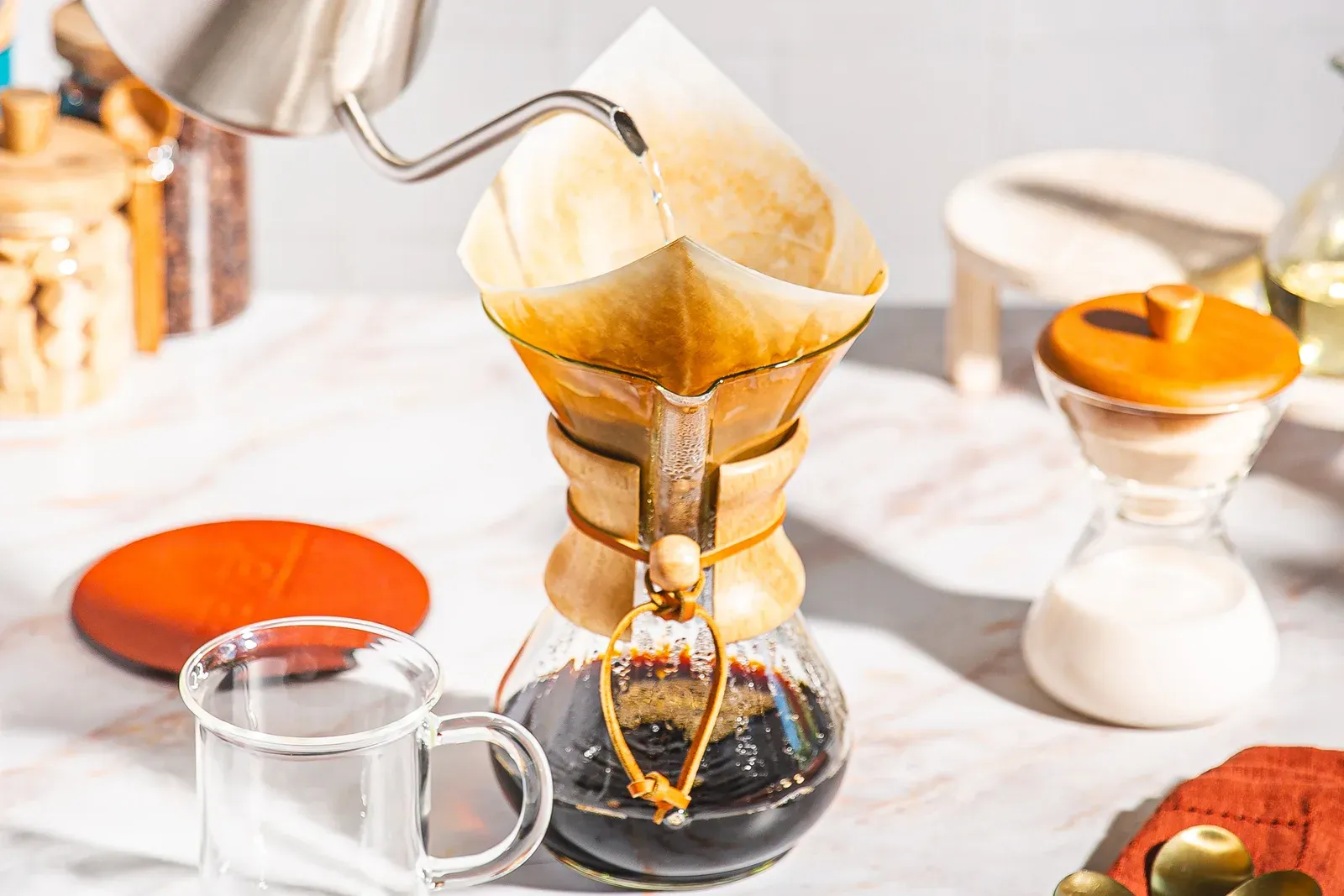
One piece of borosilicate glass, a heavy bonded filter and 30 oz of capacity. What the Classic 6-cup is built for, and who should skip it.