Origins
Peru
High altitude, mostly organic, and the best value in specialty coffee: gentle acidity, real sweetness and a price that has not caught up yet.
- Milk chocolate
- orange
- almond
- soft
| Regions | Cajamarca, Amazonas, San Martín, Cusco, Puno |
|---|---|
| Altitude | 1200–2100 m |
| Harvest | May–September |
| Processes | Washed, Natural |
| Varieties | Typica, Bourbon, Caturra, Pache, Catimor |
Peru is the quiet giant: a top ten producer, the largest exporter of certified organic coffee in the world, and still cheaper per kilo than its quality deserves. The reason is structural rather than agricultural.
Why it is underpriced
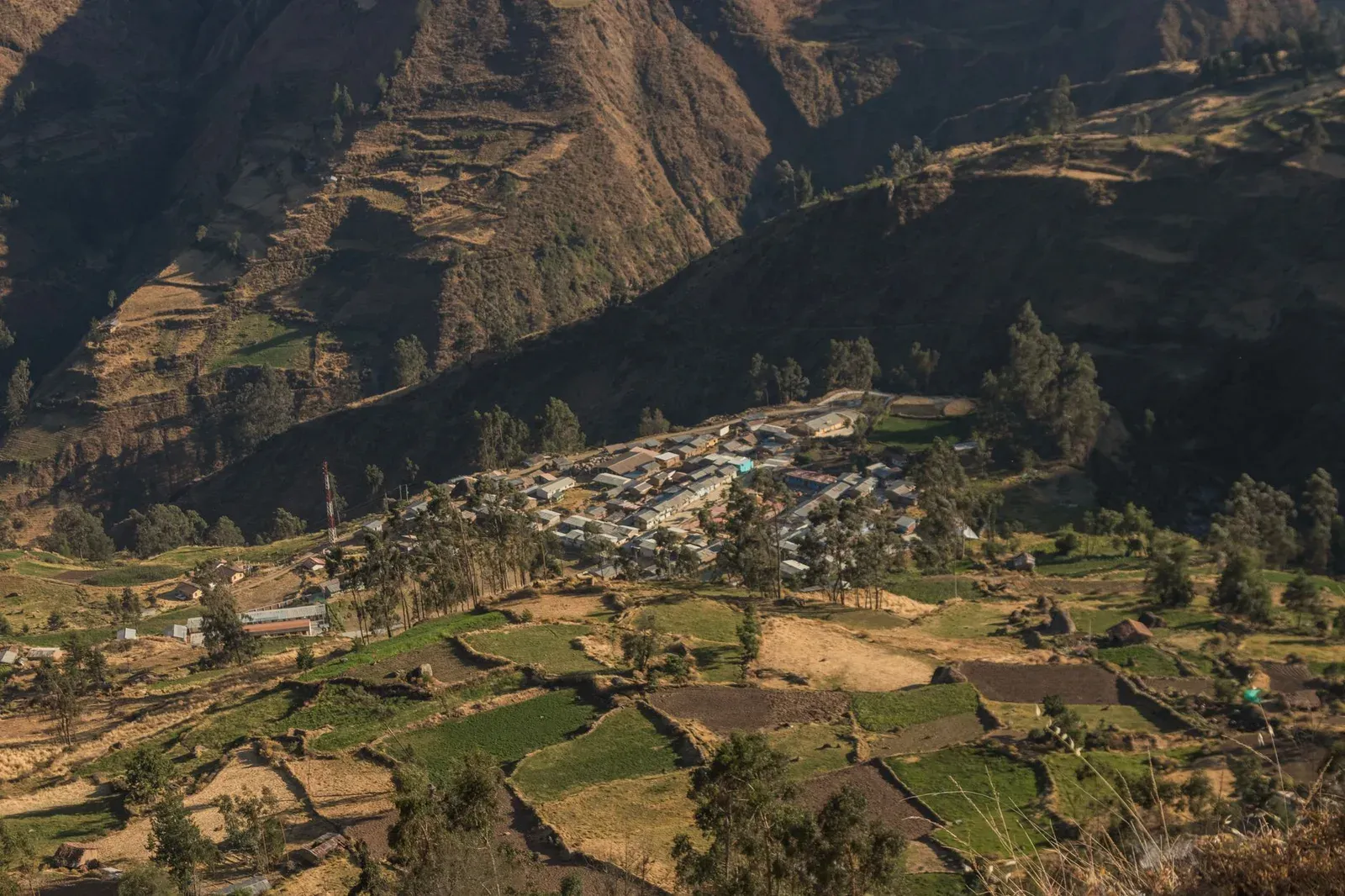
Peruvian coffee grows on tiny farms, often two or three hectares, spread across mountain valleys with poor roads and almost no central milling. For decades that meant lots were bulked together and sold as commodity, so nobody was paid for quality and nobody invested in it.
That is changing region by region, and the interesting lots now come from cooperatives that ferment and dry carefully and keep their best microlots separate.
Organic by default
Most Peruvian smallholders never used agrochemicals, because they could not afford them. Certification simply documented what was already true, which is why the country dominates organic volume without any premium price to show for it.
What the cup does
Peru is gentle: milk chocolate, orange, almond, a soft acidity and a rounded body. It is the origin to hand someone who finds Kenyan coffee too sharp, and it takes milk well without disappearing into it.
Brewing it
Forgiving on every method. As filter, 1:16 at 94 °C. As espresso, a classic 1:2 at 93 °C with a medium roast gives chocolate and orange with no sharp edges, which is why Peruvian lots appear so often in espresso blends.