Origins
Burundi
Hillside smallholdings, cooperative washing stations, and some of the cleanest coffee in East Africa.
- Blackcurrant
- lime
- floral
- silky
| Regions | Kayanza, Ngozi, Kirundo, Muyinga, Bubanza |
|---|---|
| Altitude | 1400–2000 m |
| Harvest | March–July |
| Processes | Washed (double fermentation), Natural |
| Varieties | Bourbon, Jackson, Mibirizi |
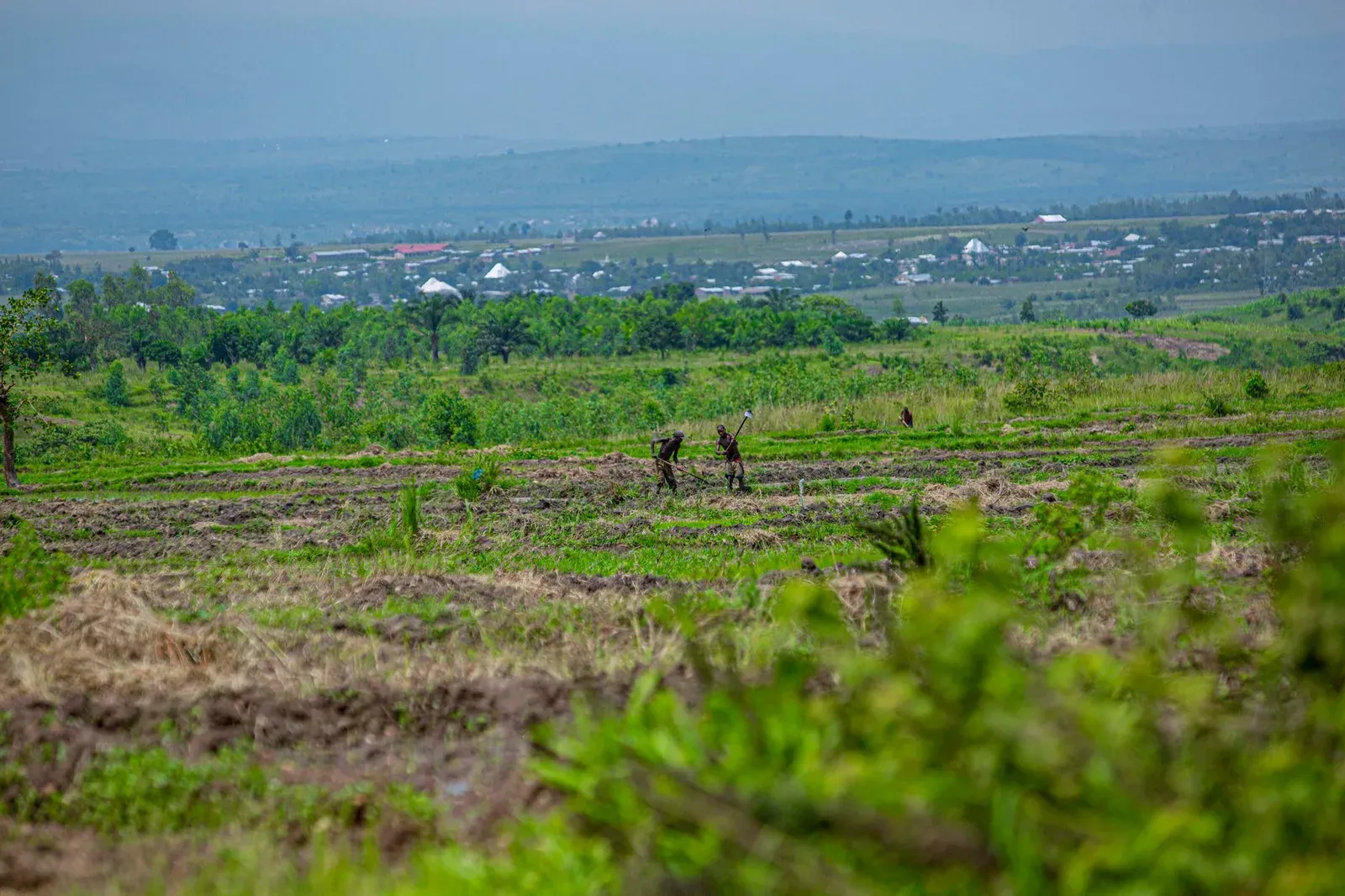
Burundi is small, very hilly and almost entirely agricultural, and its coffee comes from hundreds of thousands of families who each own a few hundred trees. Nobody here has a farm in the sense a Brazilian would use the word. The unit that matters is the washing station, and the good ones have made the country a reliable source of clean, high-grown Bourbon.
The washing station is the producer
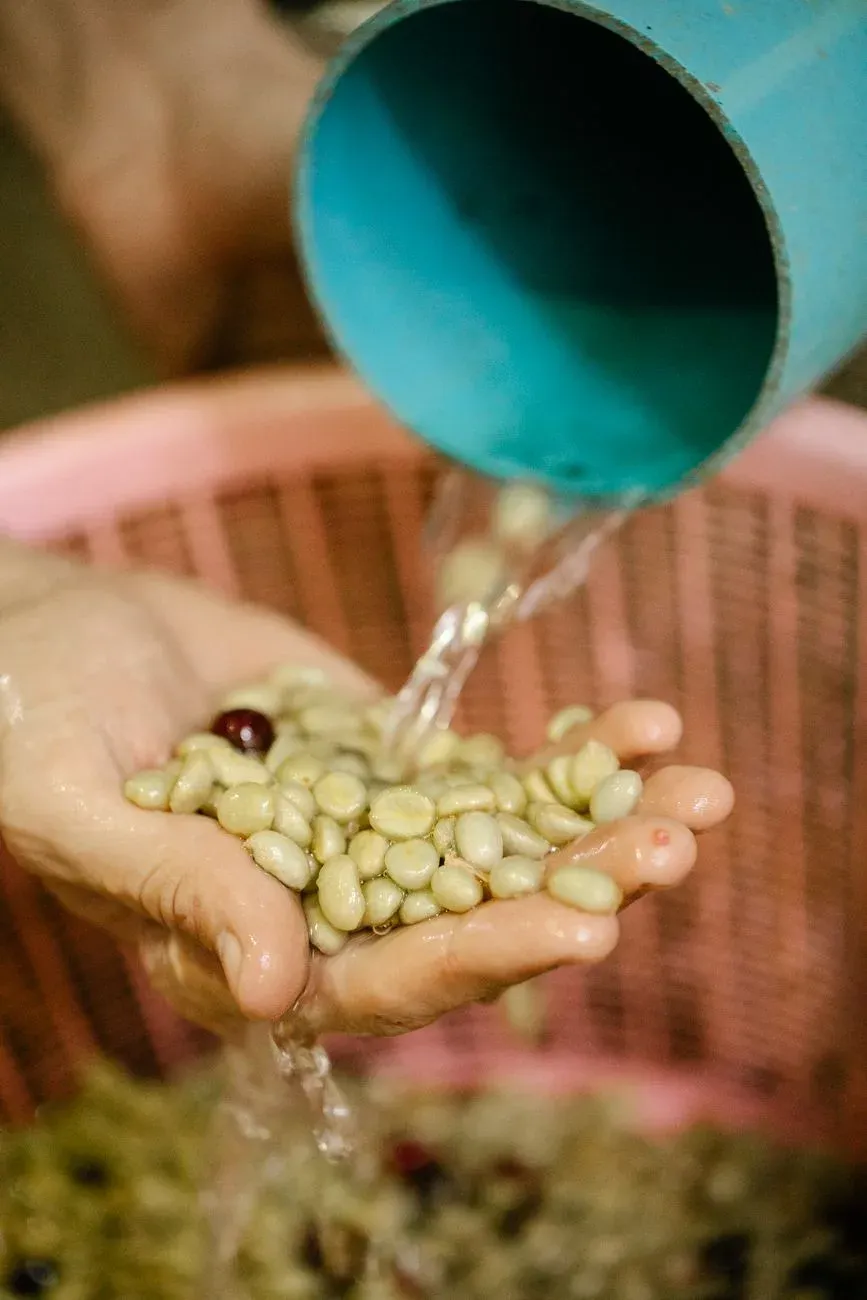
Cherry is carried in on the day it is picked, floated to remove the light and damaged fruit, pulped, fermented, washed, then soaked again in the East African style. It dries on raised beds under shade nets, hand sorted at every stage. A lot is usually named for the station and the collection hill, and the best of them publish which hills contributed.
Potato defect, explained without panic
Antestia bugs feed on the cherry and open the door to a bacterium that produces a compound smelling exactly of raw potato peel. It affects a bean here and there, not a whole lot, and roasting does not remove it. Stations fight it with field control and sorting, and importers cup aggressively for it. As a drinker, the practical answer is to grind for one brew at a time: a single affected bean ruins a cup, and finding it costs you that cup rather than the bag.
What the cup does
Blackcurrant and lime, jasmine and black tea, a silky body and a long clean finish. It sits close to Rwanda, and slightly more delicate than Kenya, with less of the tomato weight. Naturals exist and are getting good, but the washed lots are the reason to buy the origin.
Brewing it
Light roast, filter, 1:16 at 94 °C, medium grind. It rewards soft water and a careful pour, and it loses its floral top very quickly once ground. As espresso it makes a bright, tea-like shot that needs a longer ratio and a drinker who wants acidity rather than chocolate.