Origins
Colombia
Two harvests a year, wildly varied microclimates, and the most reliable washed coffee in the Americas.
- Caramel
- red apple
- balanced acidity
- clean
| Regions | Huila, Nariño, Tolima, Antioquia, Cauca, Santander |
|---|---|
| Altitude | 1200–2000 m |
| Harvest | Year-round by region |
| Processes | Washed, Honey, Natural |
| Varieties | Castillo, Caturra, Colombia, Typica, Pink Bourbon |
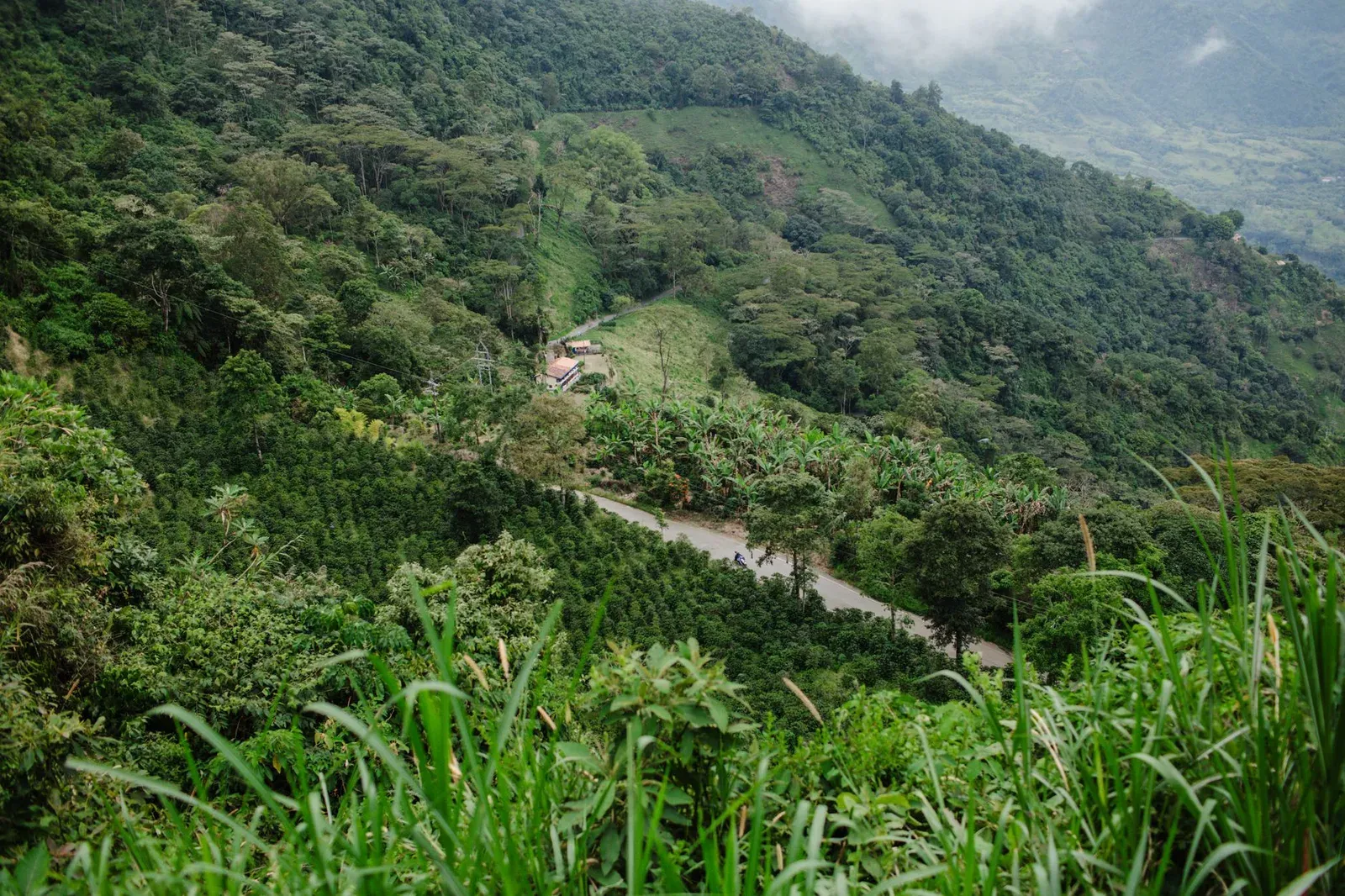
The Andes split into three ranges as they enter Colombia, and coffee grows on the flanks of all of them. That is the whole story: a country the size of two Frances, sliced into valleys that each get their own rainfall, their own ripening window and their own cup.
Where the differences sit
- Huila is the specialty engine of the country: high, steep, with the sweetest and most structured acidity.
- Nariño, close to the equator and very high, ripens slowly and tastes of citrus and sugarcane.
- Tolima is juicy and red fruited, and much of it comes from tiny farms.
- Antioquia and the old coffee belt give the classic caramel and apple cup.
- Cauca is bright and floral, Santander lower, rounder and chocolatey.
Two harvests, one calendar
Most regions carry a main crop and a smaller mitaca about six months later, and because the regions are out of step, the country is never fully out of season. For a roaster that means a Colombian slot can stay filled all year without ever shipping stale green. For a drinker it means the roast date matters more than the origin: Colombian coffee is rarely old because it has to be.
What the cup does
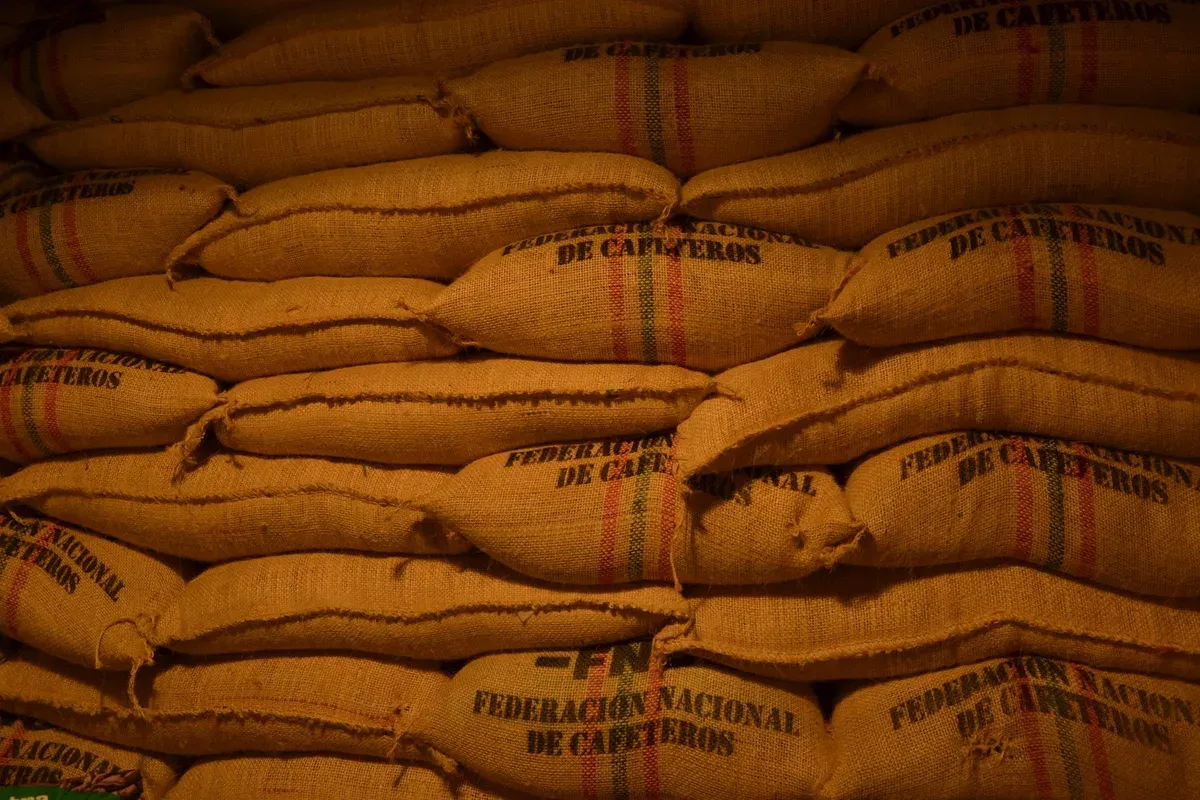
Washed Colombian is the reference point most tasters learn on: caramel, red apple, a clean acidity that behaves, a body that carries milk. The high Nariño and Huila lots push into peach, orange and panela, and a Pink Bourbon from Huila can be as floral as anything from East Africa.
Brewing it
It is the most forgiving origin on this list. Filter at 1:16 and 93 °C, medium grind, and it lands. As espresso a medium roast at 1:2 gives caramel and red fruit that survive milk. A lighter Nariño wants a finer grind and a longer brew: the density is real and it does not give its sugar up early.