Origins
El Salvador
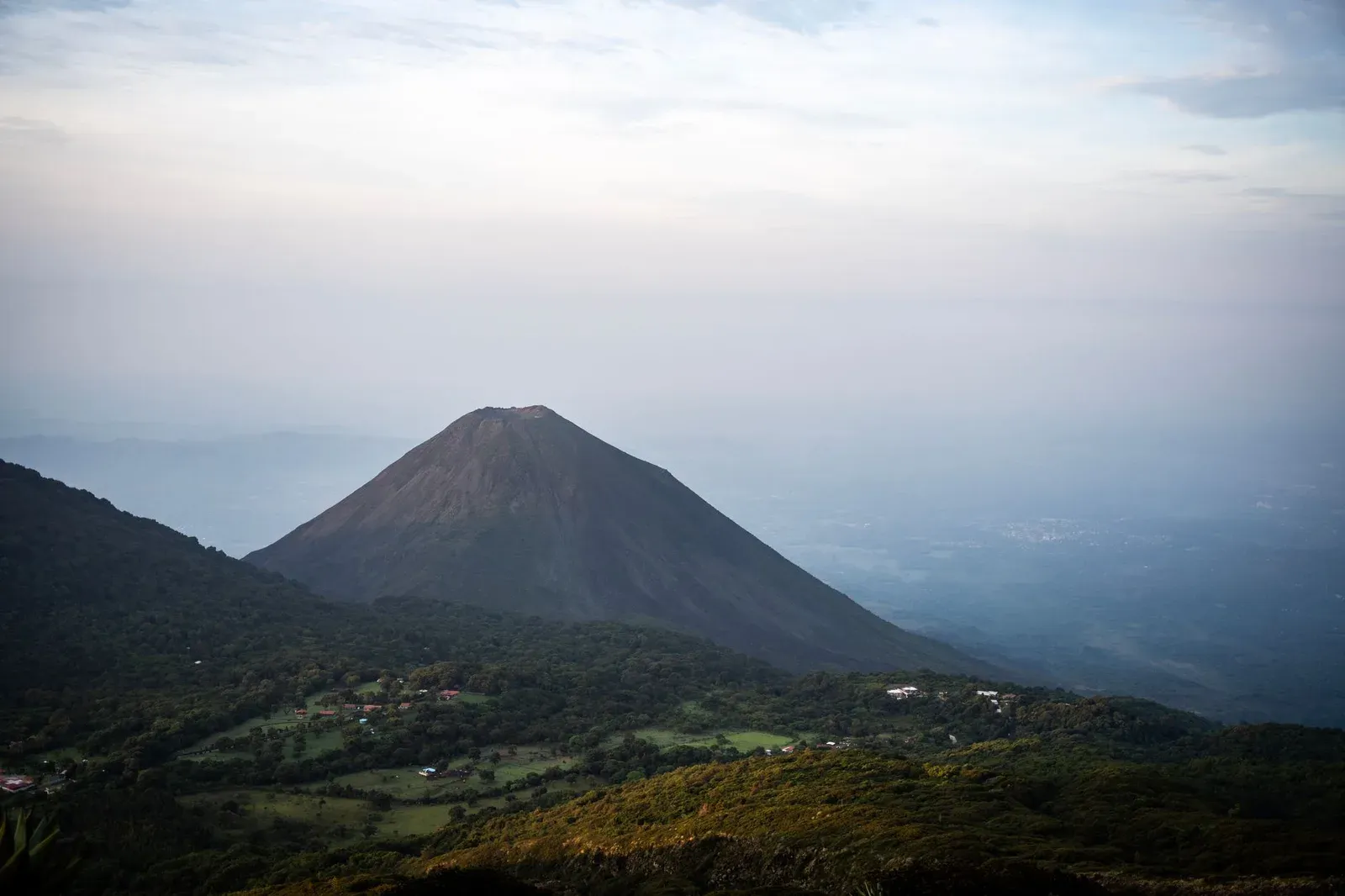
Old Bourbon and Pacamara trees on volcanic slopes, and a coffee industry rebuilt after losing everything.
- Brown sugar
- red apple
- almond
- creamy
| Regions | Apaneca-Ilamatepec, Alotepec-Metapán, El Bálsamo-Quezaltepec, Chichontepec, Tecapa-Chinameca |
|---|---|
| Altitude | 1000–1800 m |
| Harvest | October–March |
| Processes | Washed, Honey, Natural |
| Varieties | Bourbon, Pacas, Pacamara, Typica |
El Salvador is the smallest country in Central America and once ran almost entirely on coffee. What makes it interesting now is what it did not do: while its neighbours replanted with high yielding hybrids through the 1970s and 1980s, a civil war froze the farms in place. The trees that came through are the old ones.
Bourbon, Pacas and the one they bred
Roughly two thirds of the country is still Bourbon, a variety most origins abandoned for yield. Pacas is a natural dwarf mutation of Bourbon found on a farm here in 1949. Crossing Pacas with the giant Maragogype gave Pacamara, released in the 1950s, which produces beans the size of a fingernail and a cup that can be herbal and vegetal in one lot and peach, chocolate and cream in the next. It is the most variable variety in common use, and the good lots are worth the search.
Three shocks in forty years
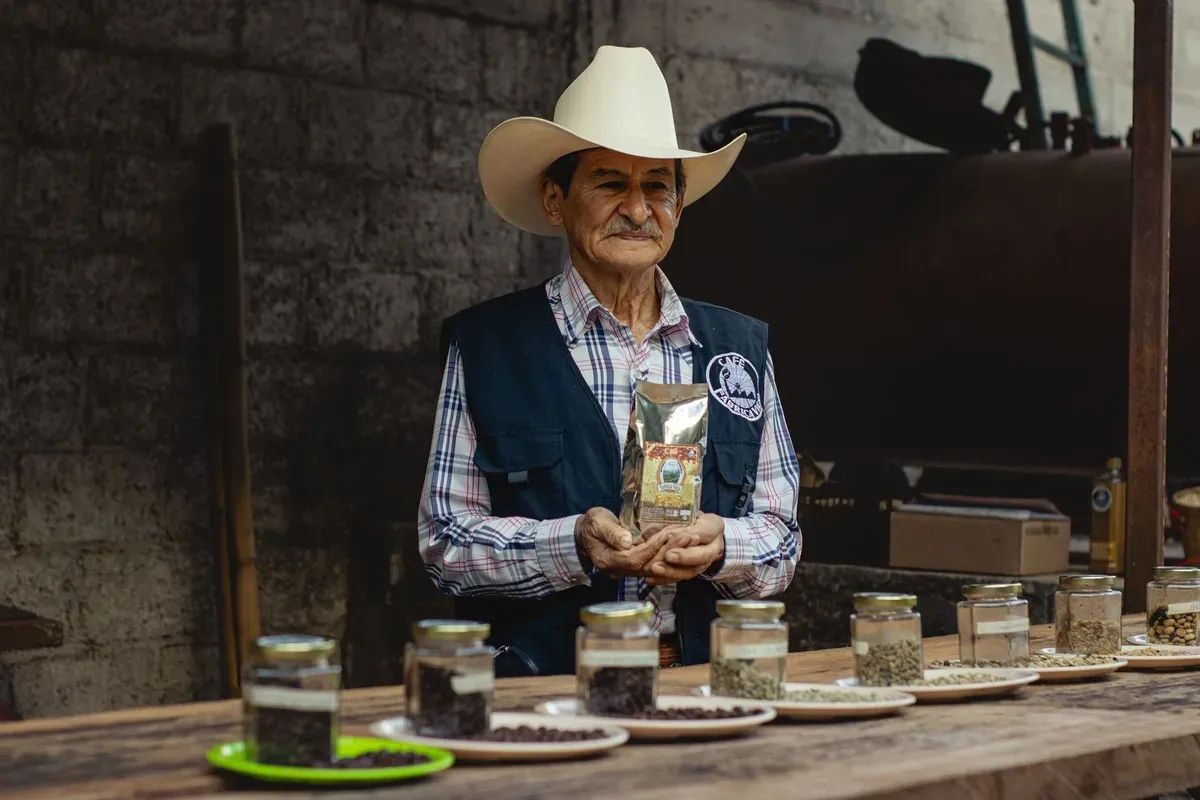
The civil war of 1980 to 1992 emptied whole growing areas and took the country from the fourth largest producer in the world to a fraction of that. Land reform broke up the big estates. Then the leaf rust outbreak of 2012 to 2014 hit old Bourbon hardest of all, because it has no resistance. Production has not recovered, and the specialty sector, small and traceable, is what grew back instead.
What the cup does
Brown sugar, red apple, almond, milk chocolate, and a creamy body that makes it one of the easiest origins to like. The Apaneca-Ilamatepec range gives the highest and brightest lots, Chichontepec on the San Vicente volcano the sweetest.
Brewing it
Medium roast, filter at 1:16 and 93 °C, and it is immediately pleasant. It is also an excellent espresso origin at 1:2, where the almond and brown sugar hold up in milk. A washed Pacamara is worth brewing as filter first, simply to find out which version of Pacamara you bought.