Origins
Indonesia
Wet-hulled Sumatra, and why an Indonesian cup tastes like nowhere else on earth.
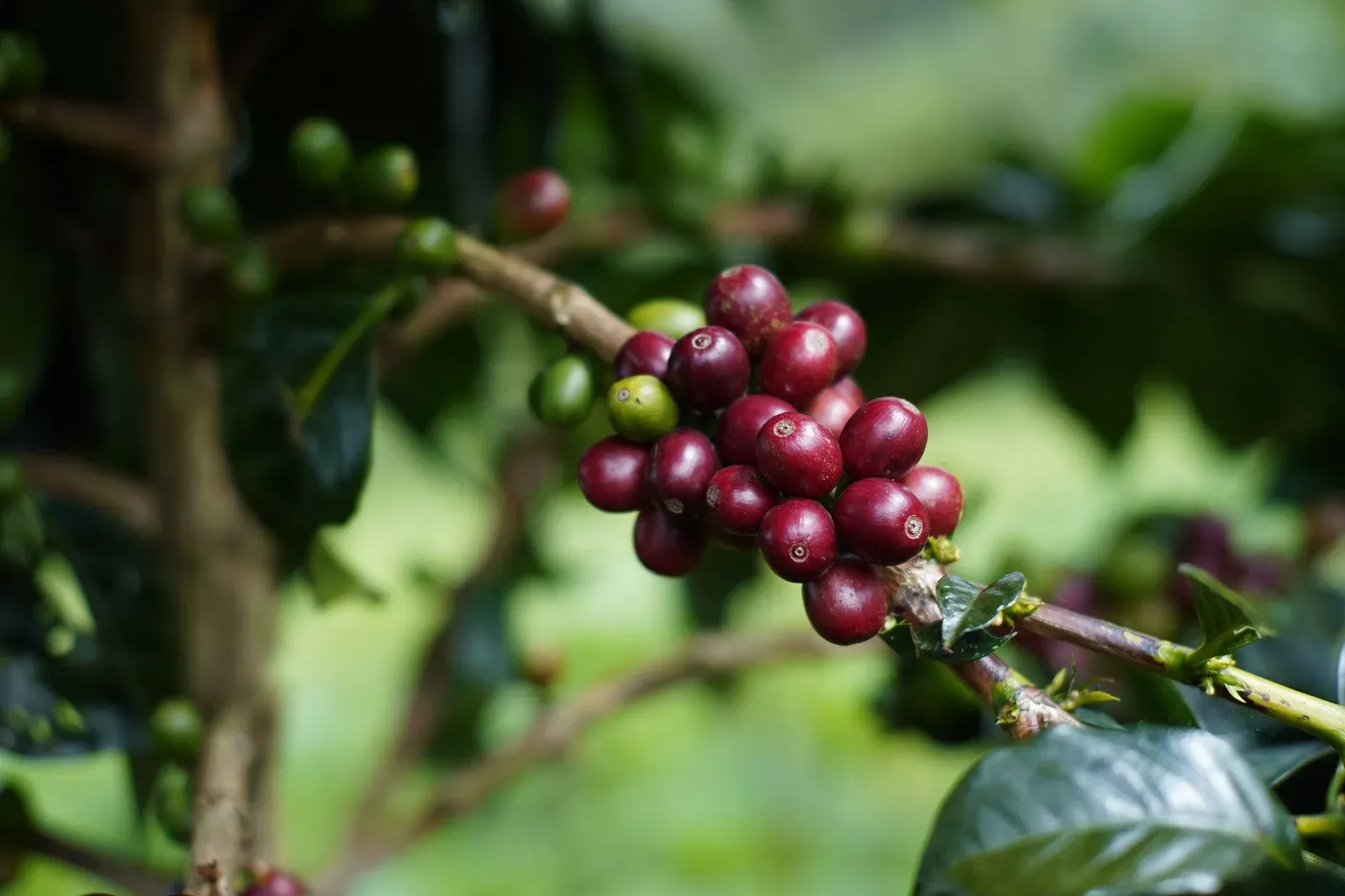
- Cedar
- earth
- herbs
- heavy body
| Regions | Sumatra (Gayo, Lintong), Java, Sulawesi (Toraja), Flores, Bali |
|---|---|
| Altitude | 900–1600 m |
| Harvest | October–March |
| Processes | Wet-hulled (giling basah), Washed, Natural |
| Varieties | Typica, Catimor, Ateng, S795, Sigararutang |
Almost everything unusual about Indonesian coffee comes from one processing decision, and that decision comes from the weather. In a climate where it rains most afternoons, drying parchment slowly to 11 percent moisture is not realistic, so Sumatra built a method around drying it fast in two stages.
Giling basah, step by step
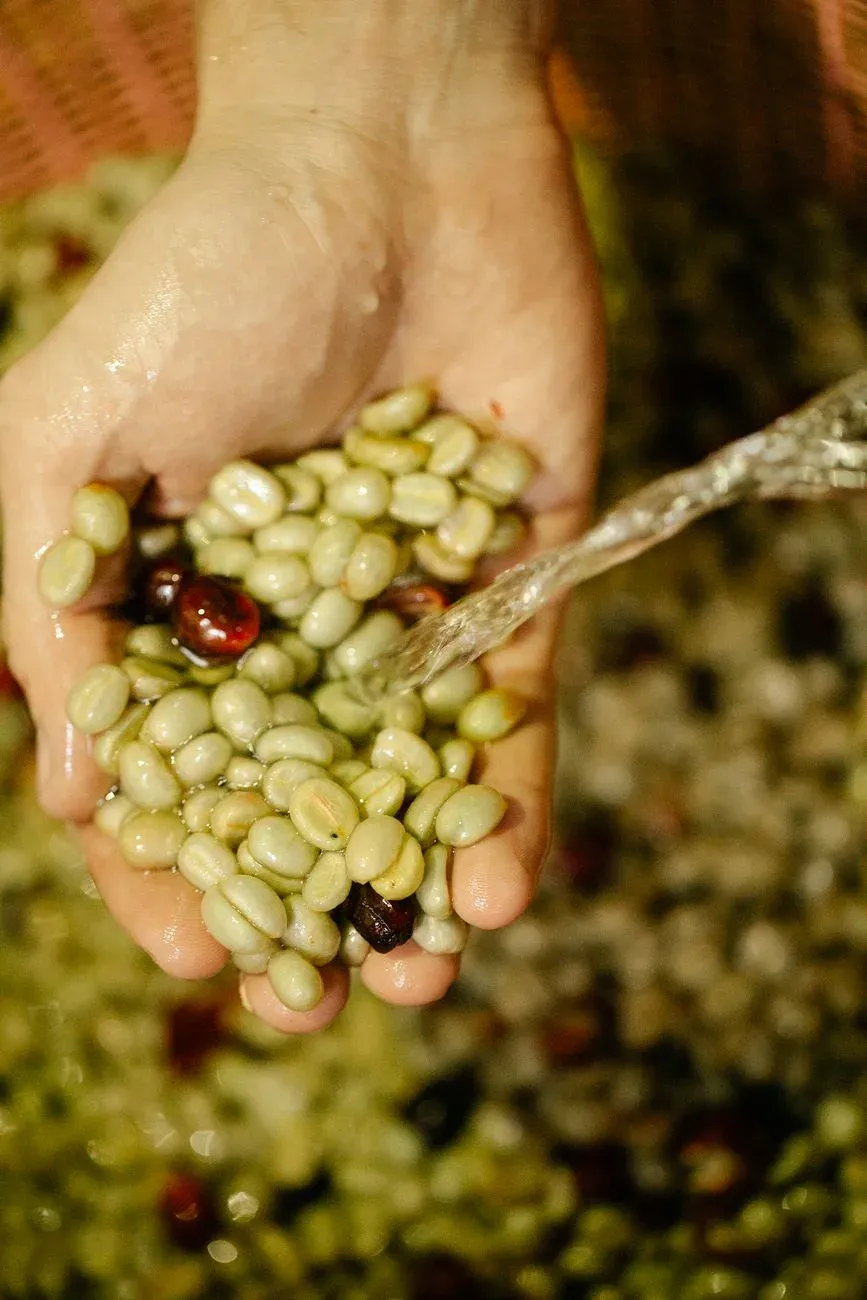
- Cherry is pulped at the farm, often the same evening it is picked.
- It ferments overnight in a bucket or tank, then is washed.
- It dries only partly, to roughly 30 to 40 percent moisture.
- The parchment is hulled off at that high moisture, which is the unusual part.
- The naked green bean, now soft and dark blue, finishes drying in the sun.
Hulling a soft bean deforms it, which is why Sumatran green looks battered, and exposing it at high moisture is what builds the cedar, tobacco, forest floor and herb notes. It also flattens acidity almost completely.
Three islands, three cups
Sumatra is the archetype: heavy, earthy, low acid, with Gayo in Aceh the cleaner end and Lintong the more savoury. Java keeps an older washed estate tradition and tastes nutty and round. Sulawesi Toraja sits between the two, with more spice and a clearer sweetness. Flores and Bali are lighter, often washed, and much closer to a Latin American profile.
What the cup does
Cedar, damp earth, dark chocolate, pipe tobacco, green herbs, and a body like syrup. It is the most divisive profile in coffee: people who want brightness hate it, and people who want weight buy nothing else.
Brewing it
It is made for a French press or a metal filter, where the body is the point: 1:15, coarse, 94 °C. Paper strips too much of what makes it interesting. As espresso it is a classic blend component for weight, and a dark roasted Sumatra straight is the backbone of most traditional Italian style house blends.