Origins
Nicaragua
Shade-grown coffee in the northern highlands, Jinotega and Matagalpa for volume, Nueva Segovia for the lots that win. A sweet, easy cup that suits espresso.
- Milk chocolate
- caramel
- red apple
- soft citrus
| Regions | Jinotega, Matagalpa, Nueva Segovia, Madriz |
|---|---|
| Altitude | 900–1800 m |
| Harvest | November–March |
| Processes | Washed, Honey, Natural |
| Varieties | Caturra, Catuai, Bourbon, Maracaturra, Pacamara, Marsellesa |
Nicaragua grows its coffee in the north, in a band of mountains that runs up to the Honduran border, and most of it under shade. It is one of the country’s largest exports and the living of tens of thousands of small farms. In the cup it is the Central American origin people reach for when they want something sweet, balanced and easy, which is a compliment rather than faint praise.
Where it grows
Jinotega and Matagalpa, next to each other in the north central highlands, grow the large majority of the crop. Farms sit mostly between 1,000 and 1,500 metres, in cloud forest country that stays green all year. This is where the volume comes from, and where most of the cooperatives are.
Nueva Segovia and Madriz, further north along the Honduran border, are drier and higher. Around Dipilto and Mozonte the farms climb to 1,800 metres, and the slower ripening shows in the cup: more acidity, more fruit, more definition. Nueva Segovia lots have taken many of the top places since Nicaragua joined the Cup of Excellence competition in its early years.
Shade, smallholders, cooperatives
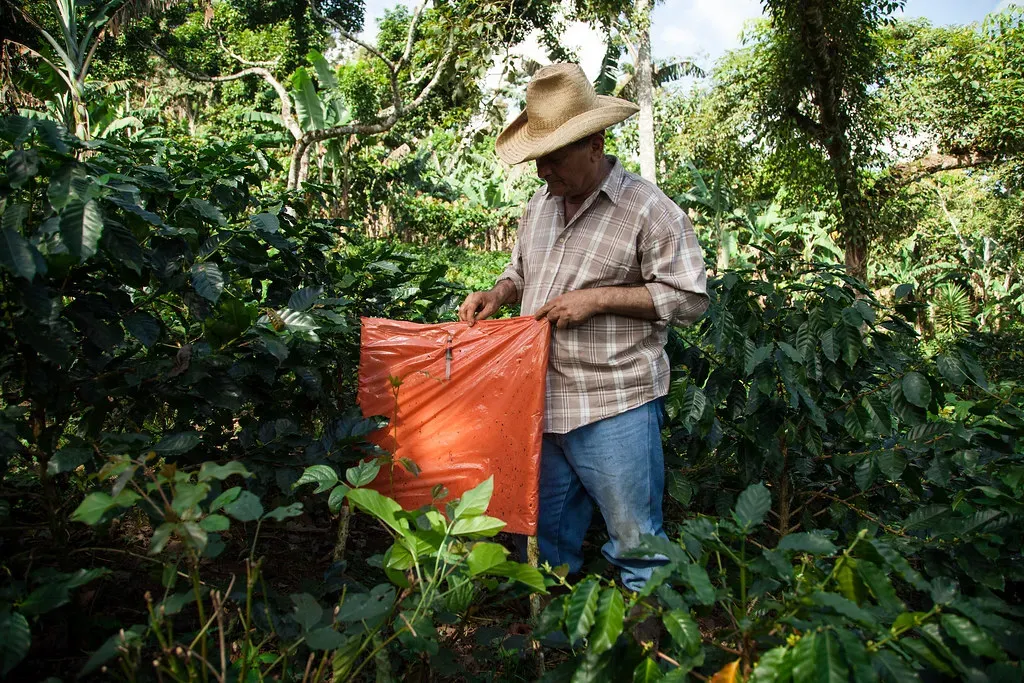
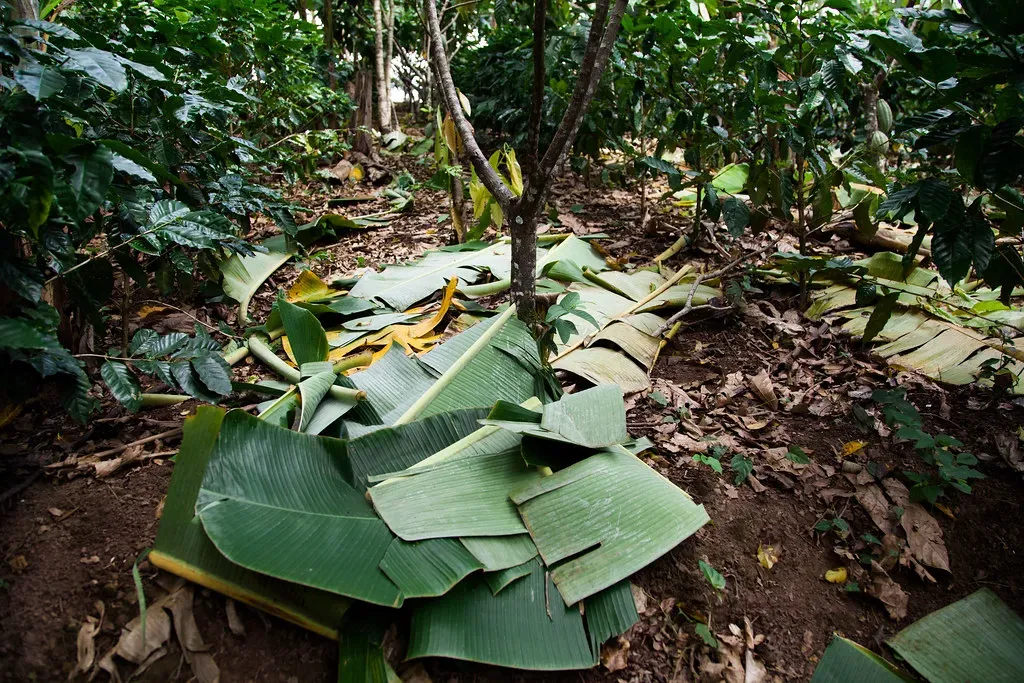
Most Nicaraguan coffee grows under a canopy of banana, citrus and native trees. The shade slows ripening, protects the soil and gives the farm a second crop, and it is also why the country has a large share of certified organic and bird friendly coffee.
The farms are small, often a few hectares, and most sell through cooperatives that run the wet mill, handle export and carry the certifications. That structure makes a named cooperative on a bag meaningful: it tells you who processed the coffee, which in Nicaragua decides much of what you taste.
The rust years
Leaf rust swept through Central America in 2012 and 2013, and Nicaragua lost a large part of its crop. Many farms replanted with rust-resistant varieties, some of them selected in the country, such as Marsellesa. Older varieties such as Caturra, Catuai and Bourbon are still common, and Nicaragua is also home to two large-bean varieties you will see on specialty bags: Maracaturra, a cross of Maragogype and Caturra, and Pacamara, which came over from El Salvador.
What the cup does
Most washed Nicaraguan coffee tastes of milk chocolate, caramel and nuts, with a soft red apple or citrus acidity and a medium, rounded body. It is rarely loud, and that is its use: it takes a medium roast well, it makes a sweet espresso on its own, and it anchors a blend without pulling it in any direction. Honey and natural lots from Nueva Segovia add stone fruit and a heavier, jammier body.
Brewing it
As espresso, a medium roast at 1:2 in 28 to 30 seconds brings out the chocolate and caramel, and it stands up to milk better than most Central American coffee. As filter, a flat-bottom brewer or a French press suits the body; a V60 at 1:16 works for the brighter Nueva Segovia lots.
Buying
Look for a region and a cooperative or farm name, and a roast date. The harvest runs from November to March, so the new crop reaches European roasters from late spring onwards. The coffee map shows where the four regions sit.