Origins
Panama
A small producer that changed the price of coffee worldwide by planting one unfashionable variety.
- Jasmine
- bergamot
- tropical fruit
- tea-like
| Regions | Boquete, Volcán, Candela, Renacimiento |
|---|---|
| Altitude | 1200–2000 m |
| Harvest | December–March |
| Processes | Washed, Natural, Honey, Anaerobic |
| Varieties | Geisha, Caturra, Catuaí, Typica, Bourbon |
Panama produces a rounding error of the world’s coffee, and it has had more influence on specialty prices than any country ten times its size. The reason is one variety, one farm and one competition.
The Geisha story
The variety was collected in Ethiopia in the 1930s, passed through research stations in Kenya, Tanzania and Costa Rica, and was planted in Panama mostly as a rust resistant afterthought. It yields poorly and its branches are long and awkward, so growers used it as a windbreak. In 2004 Hacienda La Esmeralda entered a separated Geisha lot in the Best of Panama competition and it cupped unlike anything the judges had tasted: jasmine, bergamot, papaya, a body like tea. Auction prices went from tens of dollars a pound to hundreds, and later to thousands.
Where it grows and why it works there
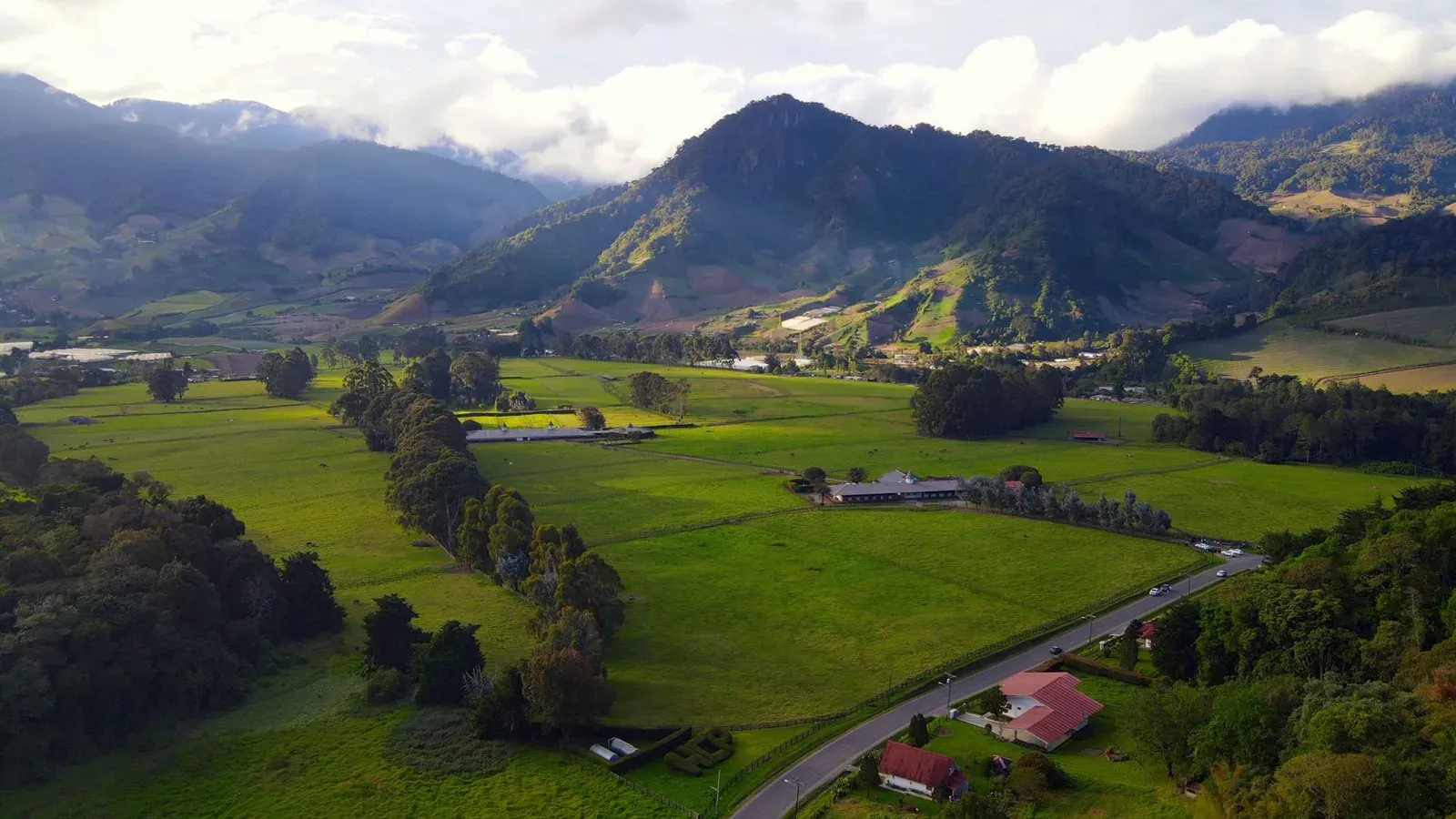
The Boquete valley sits on the flanks of the Barú volcano, where cold nights, cloud cover called bajareque and volcanic soil slow ripening to a crawl. Geisha needs exactly that. The same variety at 900 m tastes of grass and thin lemon, which is why a bag that shouts about the variety and says nothing about the altitude is worth suspicion.
The rest of the country
Beyond Geisha, Panama grows excellent Caturra, Catuaí and Typica, often on the same farms and for a twentieth of the price. Those lots taste of orange, honey and cocoa, and they are what most people should actually buy from the origin. Volcán and Renacimiento, on the other side of the mountain, are drier and give a firmer, more structured cup than Boquete.
Brewing it
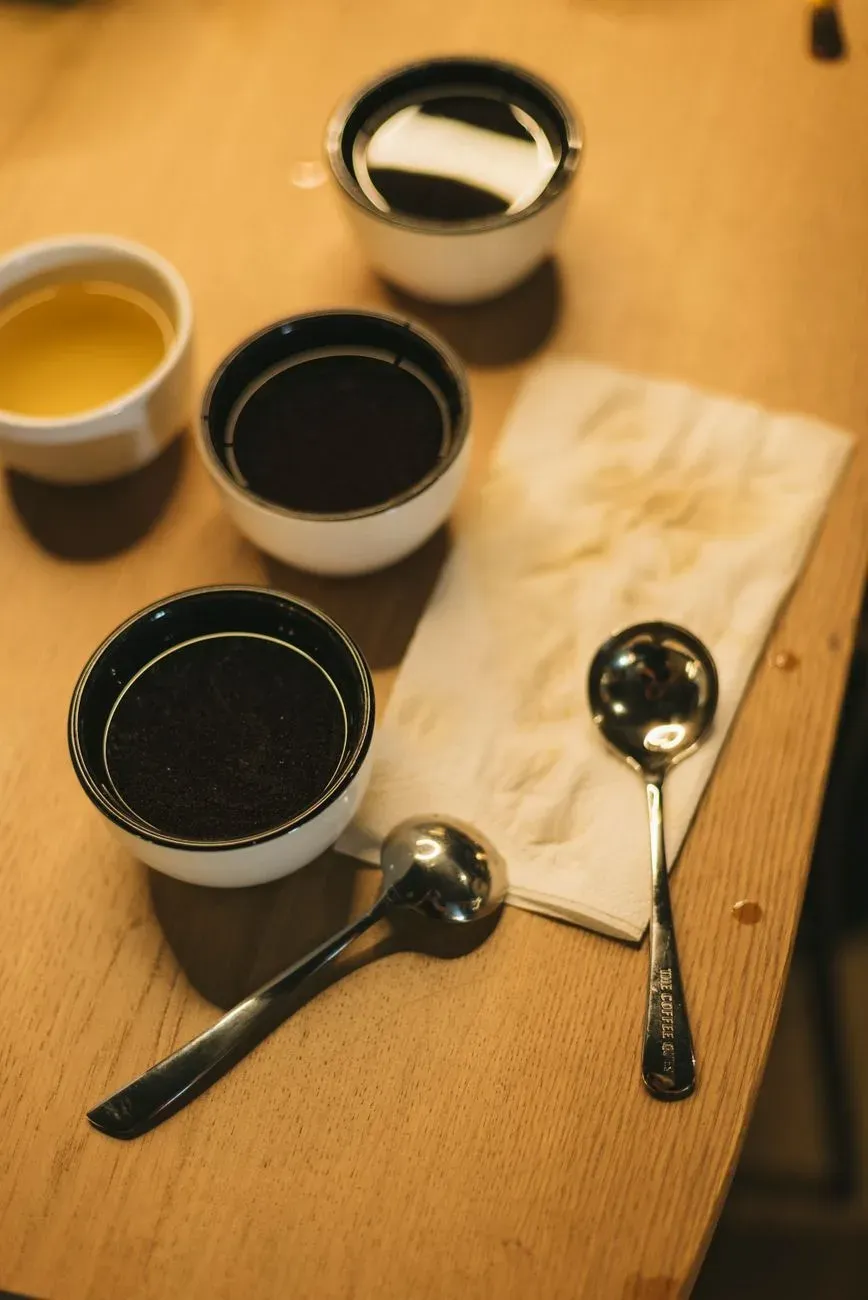
A washed Geisha is a filter coffee and nothing else: 1:17, 94 °C, medium grind, and no milk anywhere near it. Under extract slightly rather than over: the florals arrive early and the astringency arrives late. For a lot this expensive, brew one cup at a time and take notes, because the second bag is a decision you will make on the first.