Origins
Tanzania
Kilimanjaro and Mbeya, peaberry lots sold as their own grade, and a cup that sits between Kenyan intensity and Rwandan delicacy.
- Blackcurrant
- lemon
- brown sugar
- medium body
| Regions | Kilimanjaro, Arusha, Mbeya, Mbinga, Kigoma |
|---|---|
| Altitude | 1200–2000 m |
| Harvest | July–December |
| Processes | Washed, Natural |
| Varieties | Kent, Bourbon, N39, Blue Mountain |
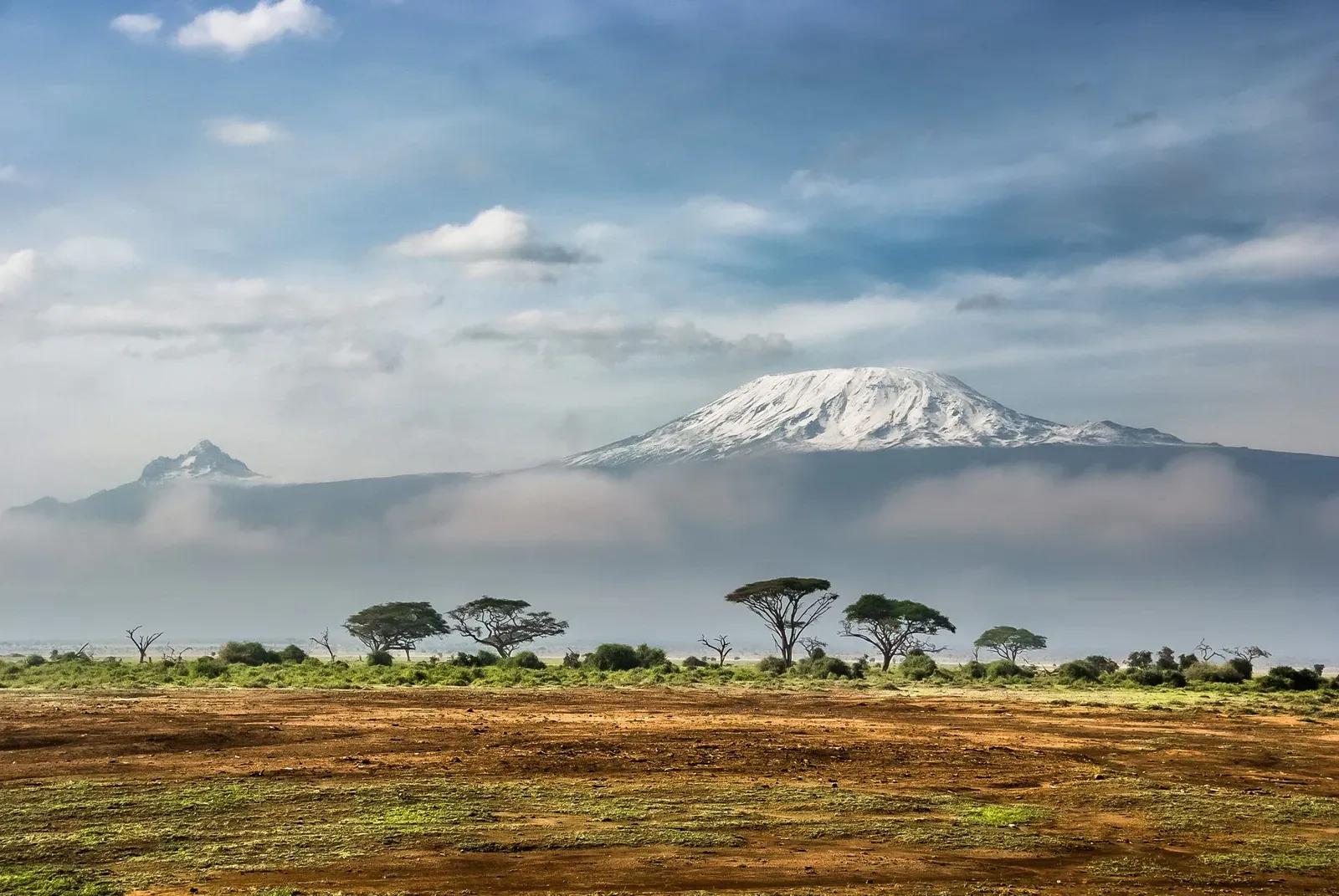
Tanzania grows arabica on the slopes of Kilimanjaro and Meru in the north, and in the Mbeya highlands in the south, plus robusta around Kigoma on Lake Tanganyika. The northern lots are the ones that reach specialty roasters.
Peaberry, and what it is not
Tanzania is the origin most associated with peaberry, and it is worth being clear about it. A peaberry is a cherry that produced one round bean instead of two flat ones, which happens in roughly five per cent of any harvest, at any origin.
Tanzania simply sorts and sells them separately as a grade. The round shape roasts a little more evenly, so a peaberry lot is often cleaner, but the myth that peaberry is intrinsically better coffee does not survive a blind cupping.
What the cup does
Northern Tanzanian coffee reads like a softer Kenya: blackcurrant and lemon, brown sugar underneath, a medium body and a long finish. Southern Mbeya lots are rounder, with more cocoa and less acid.
Brewing it
It takes heat. As filter, 1:16 at 95 °C brings out the blackcurrant that a cooler brew leaves closed. As espresso it wants a medium roast and a 1:2.2 ratio; pushed darker it loses the fruit and keeps only the body.
Buying
Grades run AA, A, AB and PB for peaberry, and they describe screen size rather than quality. An AA from a careless station is worse than an AB from a good one, so read the station name and the harvest year before the grade.