Origins
Yemen
Terraced mountain plots, sun-dried cherry and the oldest coffee trade on earth, still in the same cup.
- Dried fruit
- spice
- cocoa
- winey
| Regions | Haraz, Bani Matar, Yafe', Raymah, Ismaili |
|---|---|
| Altitude | 1300–2400 m |
| Harvest | September–December |
| Processes | Natural |
| Varieties | Udaini, Dawairi, Tuffahi, Jaadi |
Coffee left Ethiopia as a plant and came back out of Yemen as a trade. By the fifteenth century it was being cultivated on the terraces above Sana’a and shipped from the Red Sea port of Mokha, which is why a chocolate and coffee drink still carries the port’s name five hundred years later.
Terraces, and what they cost
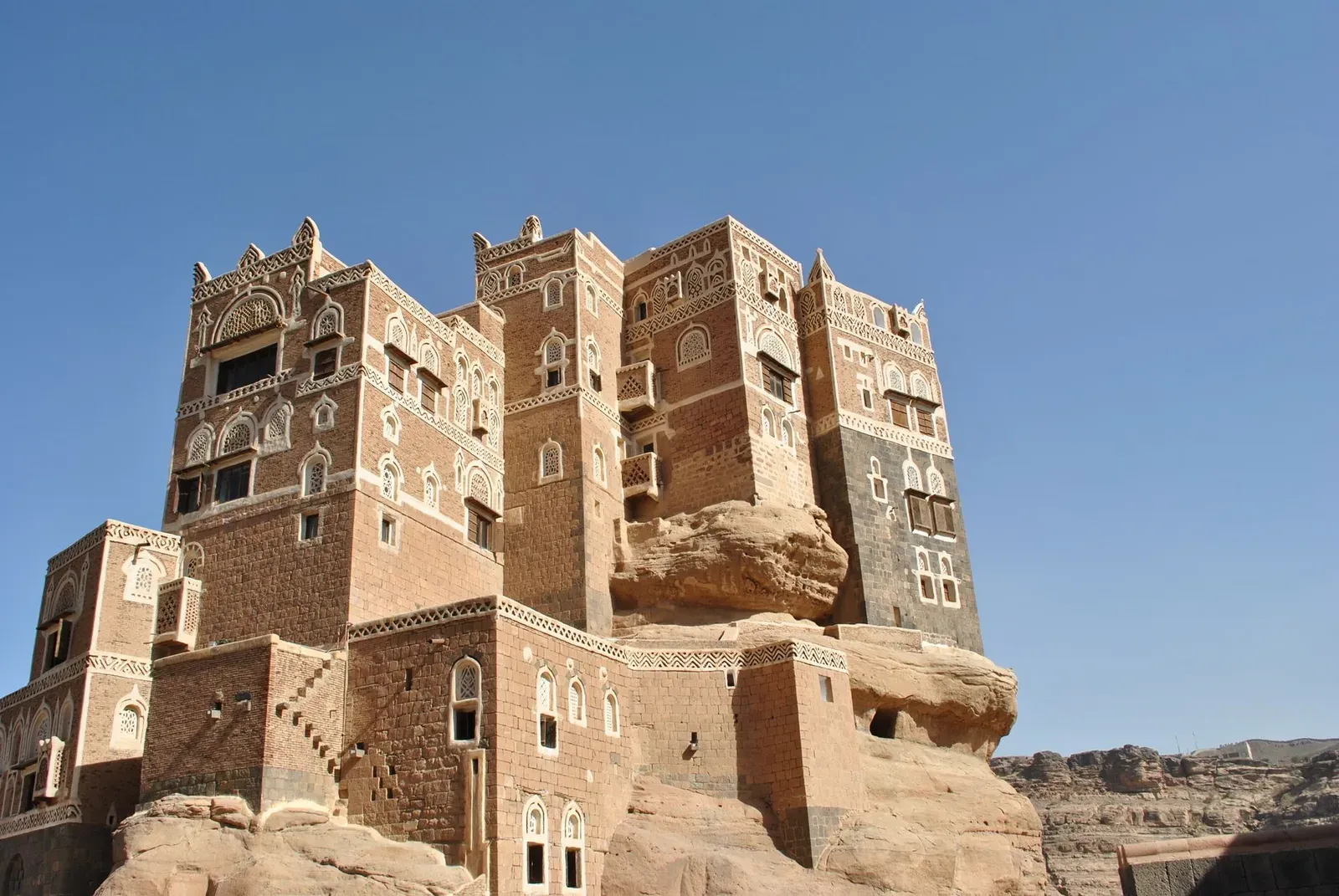
Yemeni coffee grows on stone terraces cut into steep dry mountains, on plots that are often measured in trees rather than hectares. There is no mechanisation and very little water. Trees are irrigated by flood channels or not at all, and a family may harvest a few sacks in a season. That structure is the reason the coffee is expensive and the reason no two lots are ever quite alike.
Natural, because there is no other option
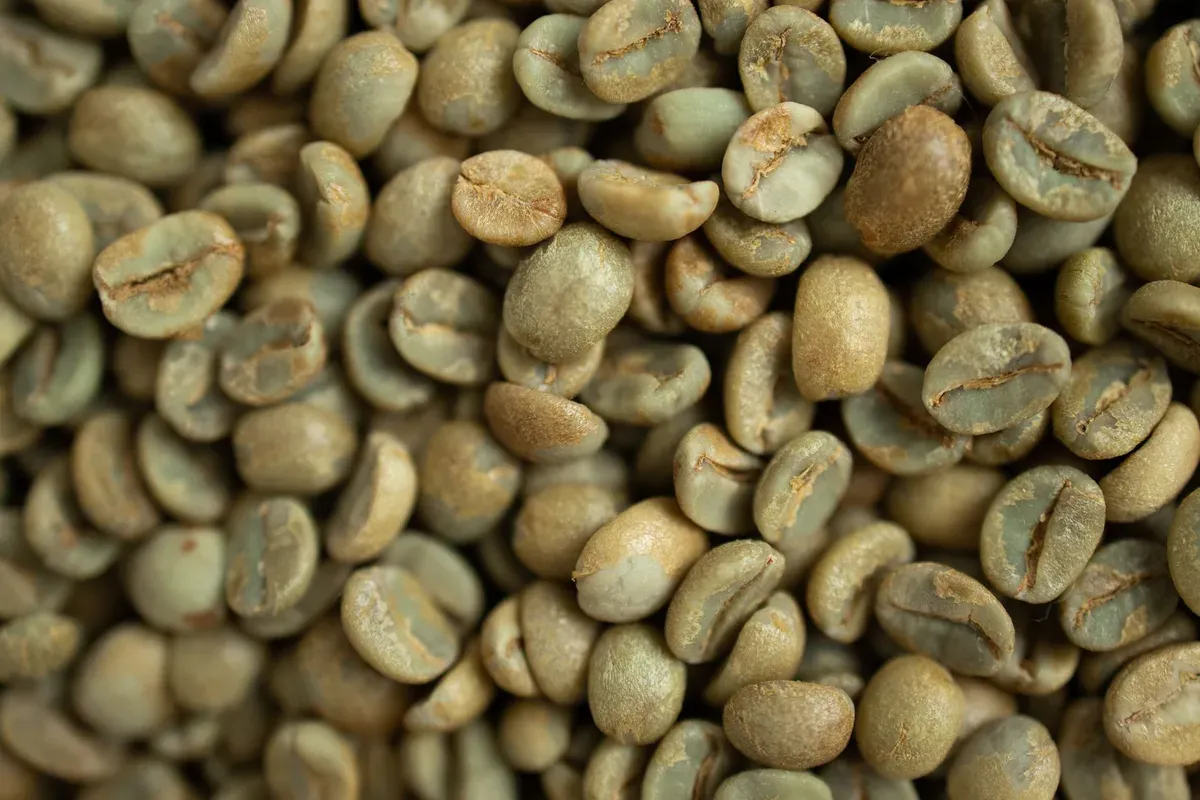
Every Yemeni lot dries as whole cherry, usually on the flat roof of the house. Fruit contact plus a long slow dry in dry mountain air builds the profile the origin is known for: dates, raisin, cardamom, cocoa, and an almost winey fermentation that sits right at the edge of a defect.
What the cup does
At its best: dried fig, date, raisin, cinnamon, cocoa and a heavy syrupy body, with an acidity that reads as wine rather than as fruit. At its worst it is ferment, mustiness and old sacks. The distance between those two is larger here than at any other origin on this list, and it is mostly a question of drying and storage rather than of the trees.
Buying it honestly
Price is the first signal: a genuinely Yemeni lot costs several times what a Central American one does, so a cheap bag labelled Mokha is almost always a blend or a roast style, not an origin. A conflict that has run since 2015 has also made export routes fragile, so expect small quantities and long gaps.
Brewing it
Medium roast, and treat it like a natural Ethiopian with more weight. Filter at 1:15 and 92 °C, medium grind, because pushing the extraction pulls the ferment forward. It also works as a small, syrupy espresso at 1:1.5, which is closer to how it has been drunk in the region for centuries.