Espresso machines
Single boiler, heat exchanger or dual boiler
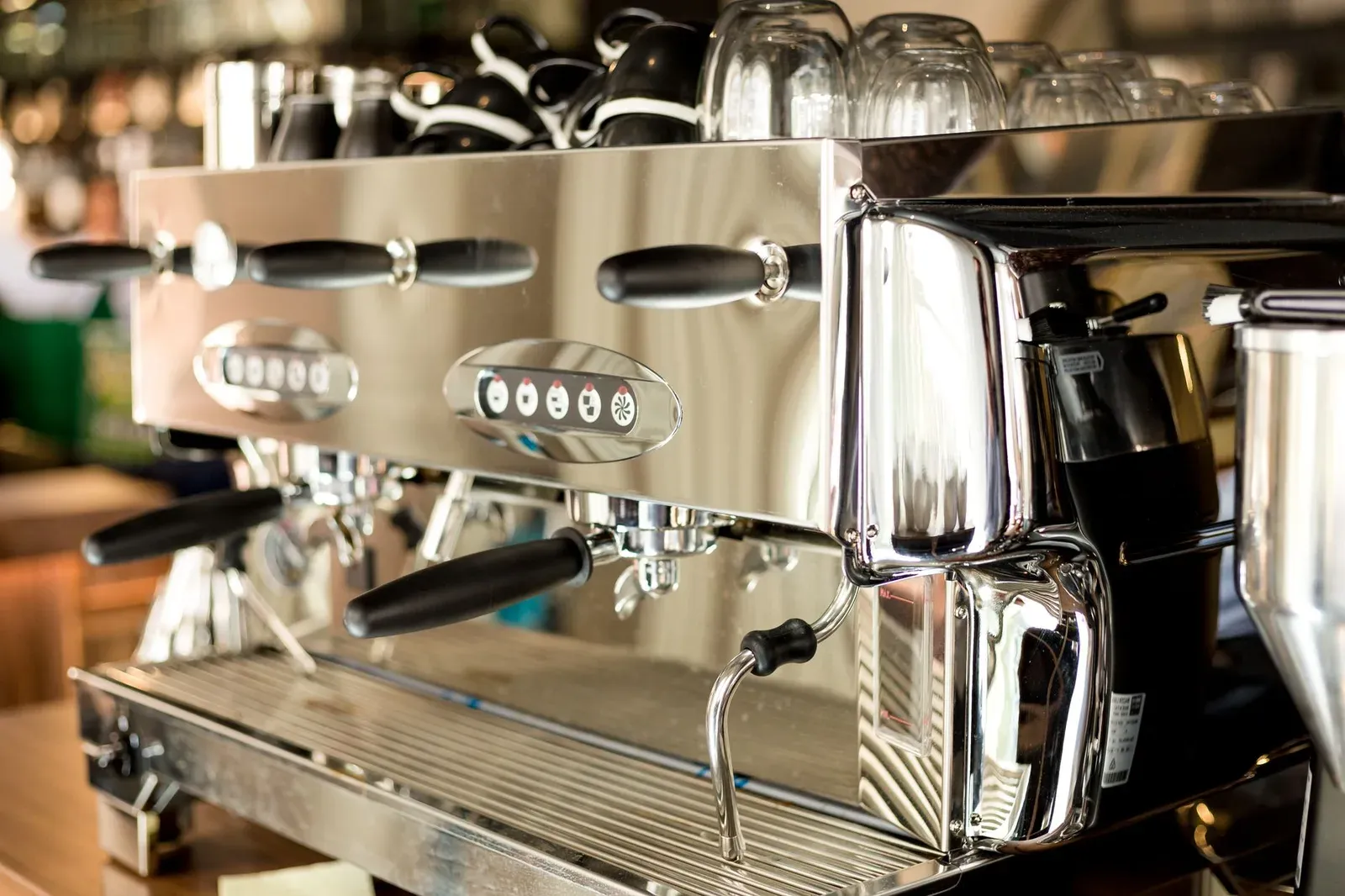
One machine, two temperatures
Brew water wants to reach the coffee at around 93 °C. Steam needs water above its boiling point, around 125 °C at the pressure a steam boiler runs. A machine has to produce both, and it has essentially three ways to do it.
Everything else about the machine matters less than which of the three you own, because this choice decides how your mornings are shaped.
Single boiler, dual use
One boiler, one thermostat, two setpoints. You brew at the low one, then switch the machine to steam mode and wait while the same water climbs to the high one.
- Waiting to steam: forty to ninety seconds, depending on boiler size.
- Waiting to brew again: longer, because cooling is slower than heating. You run water through the group until the temperature drops back.
That sounds worse than it is for one person drinking one cappuccino. It is genuinely painful for two flat whites in a row on a weekday morning.
What you gain: simplicity, low cost, low power draw, and a machine with very little to go wrong.
Heat exchanger
One boiler, kept at steam temperature, with a tube running through it. Brew water flows through that tube on its way from the reservoir to the group, and picks up heat in transit rather than sitting in the boiler.
So steam is always ready and the group is always hot, which is why an HX suits a household that makes several milk drinks in a row.
The price is a quirk: water sitting idle in that tube keeps heating. Leave the machine alone for twenty minutes and the first water out of the group is far too hot. The fix is the cooling flush, a few seconds of water run off before the shot. Every HX owner learns the length of their own flush, and a thermometer or a simple timing habit settles it.
You cannot set brew temperature independently either. It follows the steam pressure, which you set for the milk.
Dual boiler
Two boilers, two thermostats, two jobs. One brews, one steams, neither waits for the other, and brew temperature is set on its own, usually with a PID.
This is what a bar machine does, and what a serious home machine does. The costs are real: a higher price, a heavier machine, more power, more parts, and a longer warm-up unless the machine pre-heats on a timer.
Choosing, honestly
| You drink | Buy |
|---|---|
| Espresso, alone, mostly black | Single boiler |
| Two or three milk drinks every morning | Heat exchanger |
| Milk drinks for a household, or you dial in light roasts | Dual boiler |
| One coffee a day and you hate waiting | Any of the three with a timer plug |
The upgrade people regret is the one made for flexibility they never use. The upgrade nobody regrets is the one that removed a wait they faced every day.
Frequently asked
- Is a heat exchanger machine worse than a dual boiler?
- Less flexible, not worse. An HX runs its brew water at whatever the steam boiler dictates, so you cannot set brew temperature independently, and you flush before each shot. Within that constraint a good HX pulls excellent espresso all day.
- Can I steam milk on a single boiler?
- Yes, one drink at a time. Pull the shot, switch to steam, wait forty to ninety seconds for the boiler to climb, steam, then cool the boiler back down before the next shot.
Related reading
Real espresso in twenty centimetres
Small machines used to mean bad espresso. The compact category grew up, and the compromises moved somewhere more sensible.
A commercial machine at home
Power, plumbing, drainage and heat: what a bar machine actually demands of a kitchen, and when the answer is to buy a smaller machine instead.
Lever machines: spring against direct
A spring lever pulls a curve the machine decides. A direct lever pulls the curve your arm decides. That single difference sorts every lever machine sold.