Specialty coffee
What specialty coffee actually means
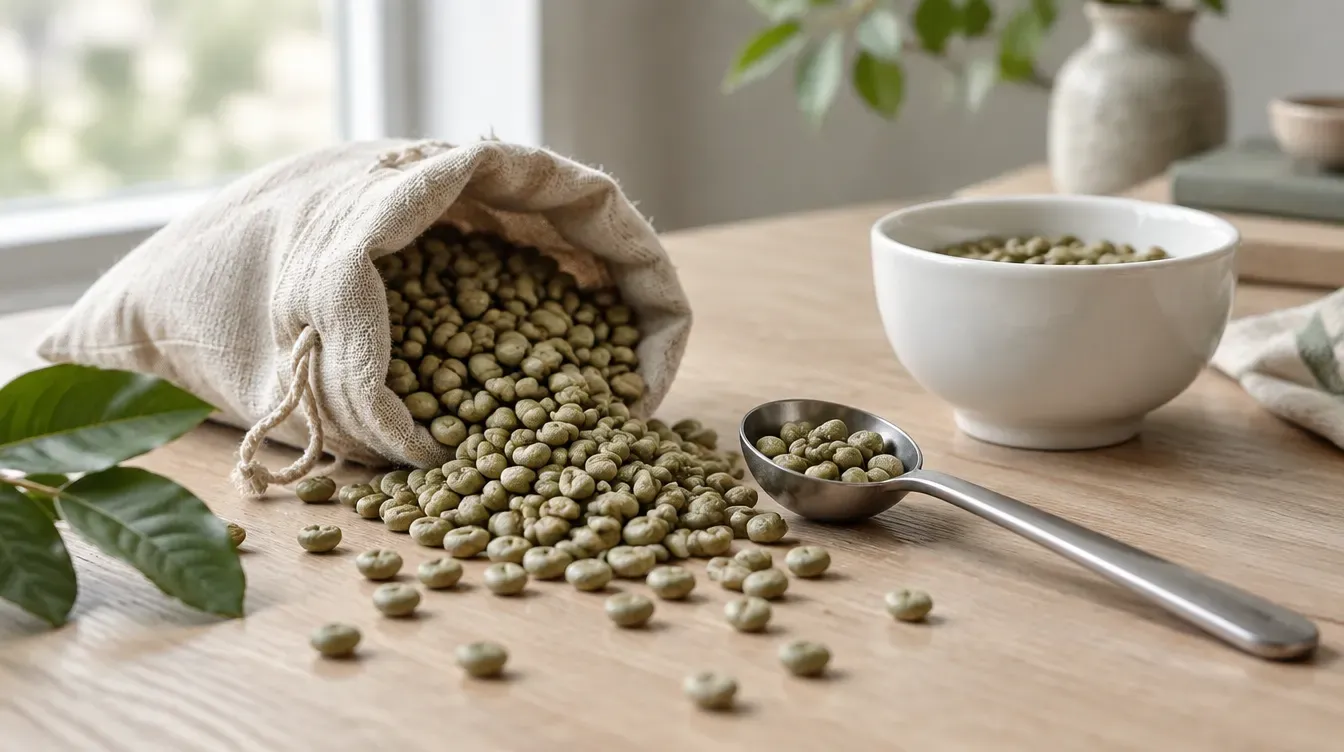
Eighty points, on a hundred-point scale
“Specialty” is a grading term. A licensed Q Grader cups the coffee and scores it across ten attributes; eighty or above is specialty. That is the whole definition, and it is a statement about a green coffee sample, not about the bag on the shelf.
Almost every argument about the word comes from forgetting that second sentence. The label is precise, it means something real, and it means considerably less than it is usually taken to mean.
What actually gets scored
A Q Grader is licensed by the Coffee Quality Institute after an examination that is genuinely hard and has to be renewed. They cup a prepared sample under controlled conditions and score ten attributes, each out of ten:
fragrance and aroma, flavour, aftertaste, acidity, body, balance, uniformity, clean cup, sweetness, and an overall score that is the cupper’s own judgement.
Add the ten, subtract for defects, and the result sits on a hundred-point scale. Eighty is the line. In practice the useful band runs from eighty to about ninety, because coffees above ninety are rare enough to be auction lots rather than products.
| Score | Label | What it means in practice |
|---|---|---|
| Below 80 | Commodity | Sold against the C price, graded on defects rather than flavour |
| 80–84 | Specialty | Clean, no defects, a recognisable character |
| 85–89 | Excellent | Distinct origin character, usually named lot and producer |
| 90+ | Outstanding | Competition and auction territory |
There is a second, separate grading step on the green itself: a specialty lot may carry no more than five full defects per 350-gram sample, and no primary defects at all. That is a physical inspection of the beans, and it is the part of the standard that concerns stones, insect damage and broken beans rather than taste.
The Specialty Coffee Association has been rolling out a replacement for the classic cupping form, the Coffee Value Assessment, which separates what a coffee tastes like from how much a given buyer values it. Where it is in use, the single number is deliberately less central than it used to be.
Four things the label does not tell you
This is the part worth internalising, because it is where the word gets oversold.
It says nothing about the roast. The score was assigned to green coffee. A roaster can take an eighty-six and scorch it, and it remains an eighty-six on paper. Nothing in the specialty definition constrains what happened after the lot was bought.
It says nothing about freshness. A bag roasted five months ago that graded at eighty-four is still allowed to say specialty. The grading happened once, at the green stage, and it does not expire when the coffee does.
It says nothing about who was paid. Specialty is a quality grade, not a trade arrangement. It correlates loosely with better prices at origin, because buyers competing for a high-scoring lot bid against each other, and that is a correlation rather than a guarantee. Who gets paid along the chain is a different question with a different answer.
It is not audited on the bag. In most markets nothing stops a roaster printing the word. There is no inspector checking that the lot in front of you graded where the packaging implies. The term has real technical meaning in the green trade and close to no enforcement at retail.
What to read instead
If the score is doing less work than it appears to, the rest of the label has to do more, and fortunately it usually can.
Look for a roast date rather than a best-before date. Look for the producer or the washing station by name, the altitude, the variety and the process, because a roaster who lists those is telling you they know which lot this is. A bag that names only a country and a roast level is not necessarily bad coffee, but it is telling you less, and reading the label properly is a faster filter than any score.
The other honest route is to stop delegating the judgement. Cupping is not difficult and the equipment is a bowl and a spoon. A cupping at home, with two coffees side by side, tells you more about what you personally value than a number assigned by someone else on another continent. That is also how you discover whether you actually prefer the eighty-six, which is a genuinely common and slightly awkward discovery.
So is the word useless?
No, and the cynical reading is as wrong as the credulous one.
Eighty points means the coffee was clean, free of primary defects, and had enough character for a trained palate to describe it. That excludes an enormous amount of what is sold as coffee, and it is a meaningful floor. A roaster who buys at that level is buying from a different supply chain, with traceability that commodity coffee does not have.
What it is not is a promise about the cup in front of you. It is a fact about a sample of green beans, measured once, before most of the decisions that will determine how your coffee tastes had been taken. Read it as the starting condition rather than the result, and the word becomes useful again, in the same way knowing how the beans were processed is useful without being the whole story.
Related reading
Cupping at home
The protocol professionals use to taste coffee, stripped to what works on a kitchen table, and what it is actually good for.
How much caffeine is in your cup
A double espresso holds less caffeine than a mug of filter, and roast level barely matters. The numbers, and where the intuitions go wrong.
How to read a bag of coffee
Roast date, process, altitude, varietal and the tasting notes: what each line on a bag is actually claiming, and which ones are worth paying for.