Origins
Uganda
Africa's largest coffee exporter, native robusta forests, and washed arabica off two mountain ranges.
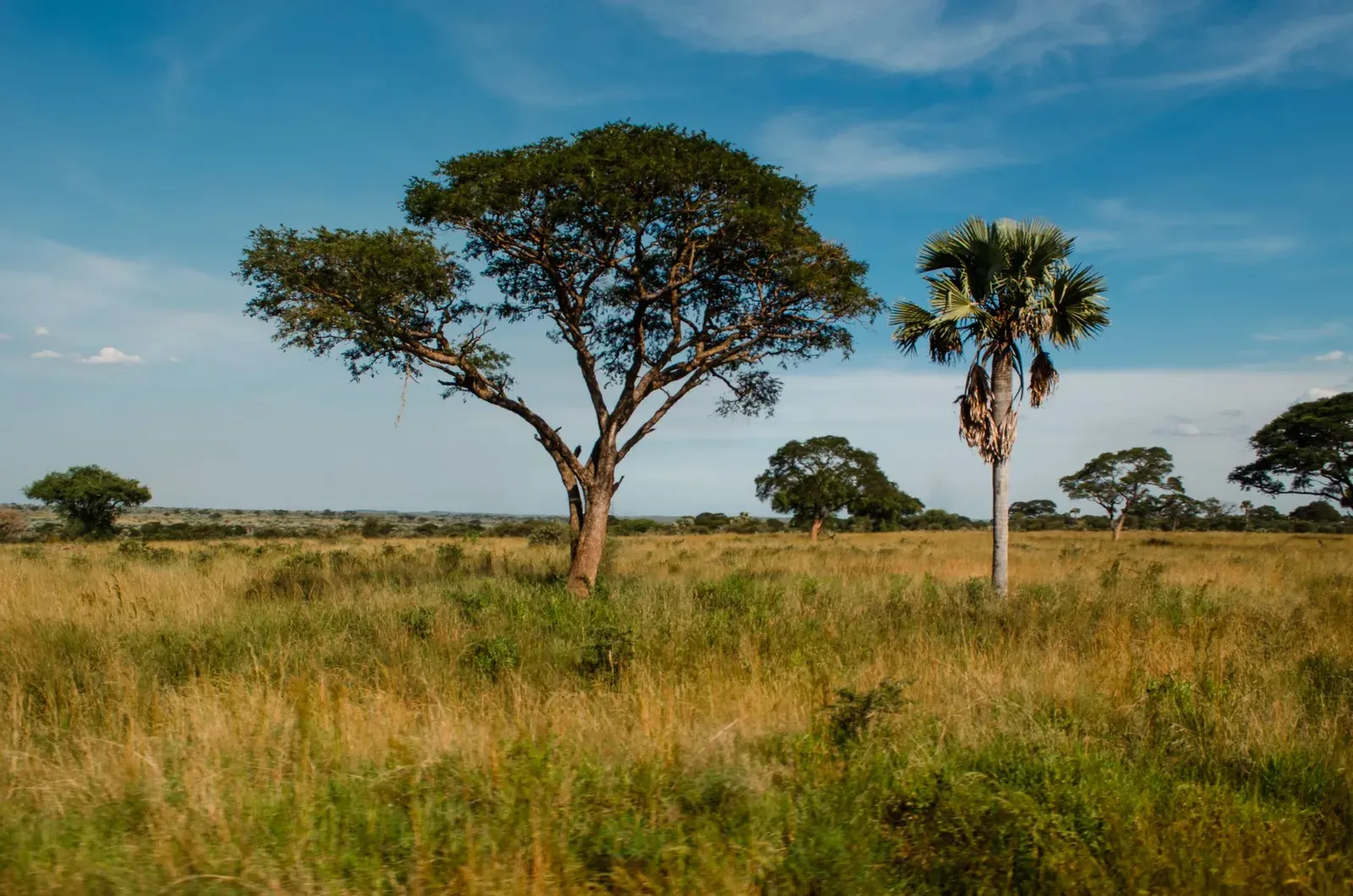
- Orange
- brown sugar
- blackcurrant
- round
| Regions | Mount Elgon (Sipi, Bugisu), Rwenzori, West Nile, Lake Victoria Basin |
|---|---|
| Altitude | 1100–2300 m |
| Harvest | October–February |
| Processes | Washed, Natural |
| Varieties | SL14, SL28, Nyasaland, Native robusta |
Uganda is the largest coffee exporter in Africa and one of the few countries where coffee is genuinely indigenous. Robusta still grows wild in the forest around Lake Victoria, and the crop has a cultural history here that predates the export trade entirely: the Buganda kingdom used coffee beans in blood pact ceremonies long before anyone brewed them.
Two arabica regions, two cups
Mount Elgon, in the east, produces the Bugisu and Sipi Falls lots: SL14, SL28 and Nyasaland grown between 1600 and 2300 m, washed, and tasting of orange, brown sugar and blackcurrant with a round, forgiving body. The Rwenzori mountains in the west give a brighter, more delicate cup, often with a lemon and floral edge. Both sit on volcanic or mineral rich soil, and both are farmed by smallholders working with washing stations.
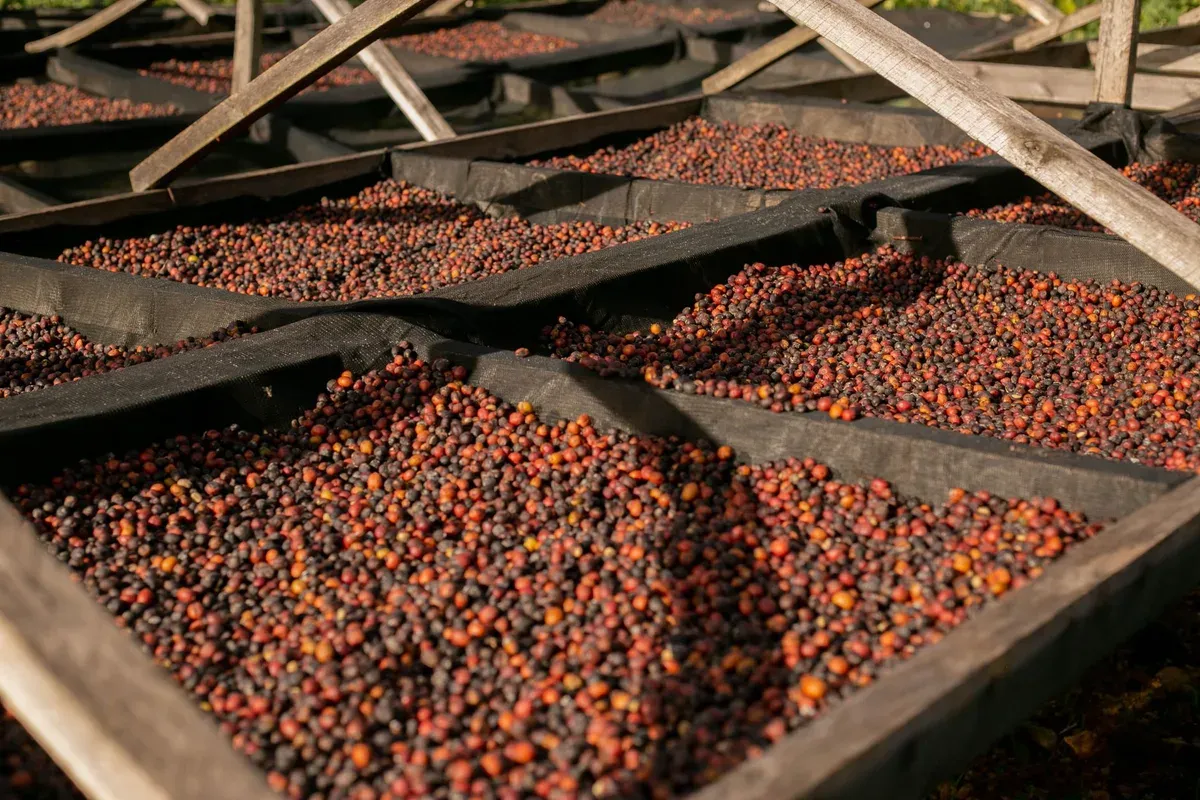
The robusta half
Around three quarters of production is robusta, grown at low altitude around the lake and in the West Nile. Most of it leaves as commodity, but Ugandan robusta has a genetic diversity that the plantation robustas of Asia do not, and the specialty lots that come from it are sweeter and more chocolatey than the species’ reputation allows. It is also the crop that pays school fees for a very large number of households.
What the cup does
Elgon washed: orange, molasses, blackcurrant, a medium to full body and an acidity that never gets sharp. Rwenzori: lemon, jasmine, a lighter frame. Naturals from both regions lean into red berry and tropical fruit.
Brewing it
Washed Ugandan arabica is one of the more forgiving East African coffees. Filter at 1:16 and 93 °C, medium grind, medium roast. It takes milk better than a Kenyan does, which makes it a good everyday espresso at 1:2. Fine Ugandan robusta deserves the same treatment as a good Vietnamese one: roast it like arabica and it behaves.