Filter coffee
Filter papers, cloth and metal
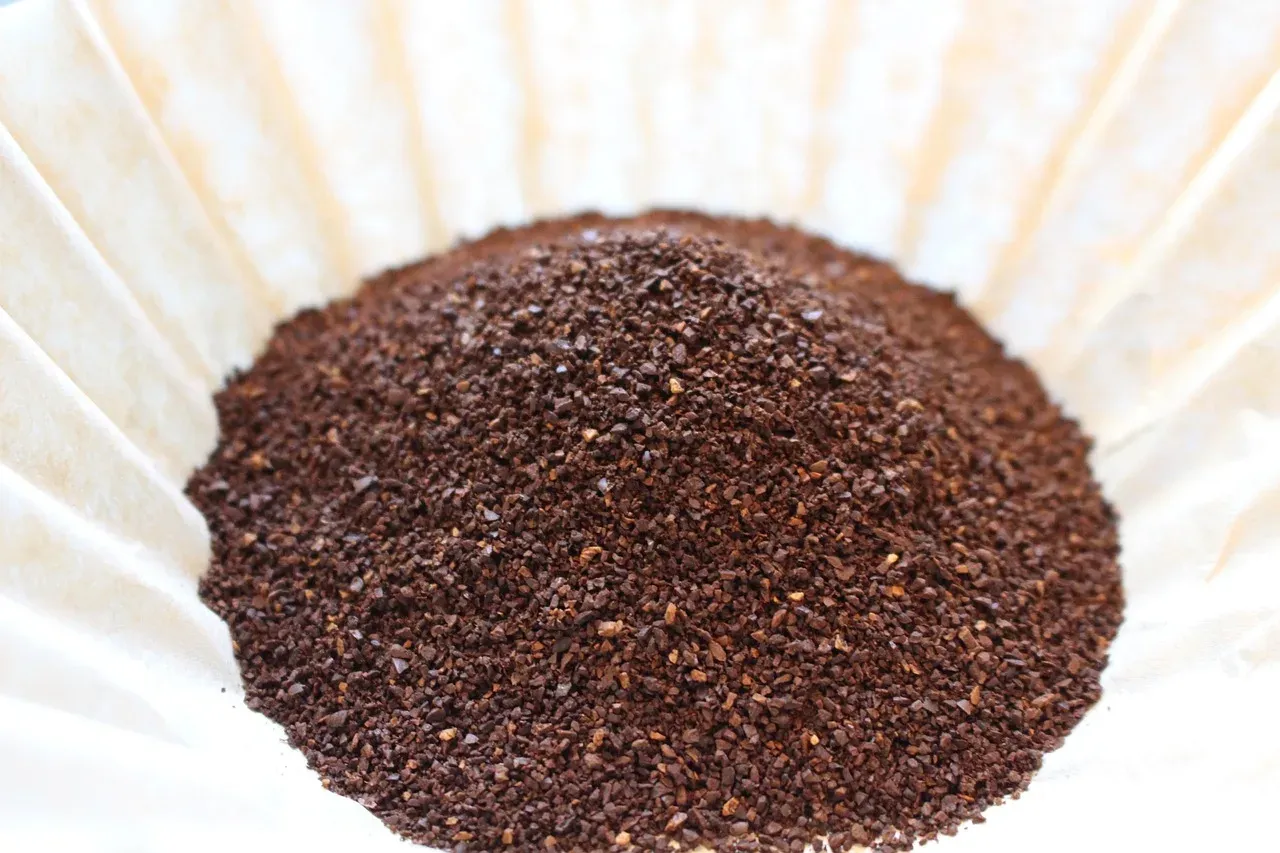
What a filter actually removes
Three things leave the brew bed: dissolved solids, which are the flavour; suspended fines, which are tiny particles of coffee; and lipids, the oils.
A filter cannot change the first. It decides how much of the other two reach the cup, and that decides the texture.
Paper
Paper holds back nearly all the oils and most of the fines. The result is the transparent cup that filter coffee is known for: acidity clearly separated, aromatics forward, very little weight on the tongue.
Bleached versus natural is not a filtering difference. Both are made to the same porosity. Natural paper is simply not bleached, so it carries more of its own papery flavour, which a rinse with hot water removes. Bleached paper today is oxygen-bleached, not chlorine-bleached, so the old objection no longer applies.
Thickness does matter. A Chemex paper is roughly three times heavier than a V60 paper, which is why a Chemex brew is slower, cleaner and thinner bodied even with the same grind and ratio.
Cloth
Cloth sits between paper and metal. It holds back the fines but lets a good part of the oils through, so a cloth-filtered cup has the clarity of paper with a rounder, softer mouthfeel. It is the traditional filter in much of Latin America and in the Japanese nel drip.
The price is maintenance. A cloth filter must be rinsed thoroughly, kept wet in the fridge or frozen between uses, and replaced when it starts to smell. A dry, neglected cloth turns rancid and every cup after that tastes of it.
Metal
A metal filter is a mesh with holes cut or etched into it. Holes are large enough that oils pass and so do many fines, so the cup arrives heavier, sweeter, slightly muddier, and it keeps developing as the fines carry on extracting in the carafe.
Use metal when you want that. Do not use it when you have bought a delicate washed Ethiopian lot and want to taste it clearly.
Choosing by what you want
| You want | Use |
|---|---|
| Maximum clarity, bright acidity | Chemex paper |
| Balanced, everyday filter | V60 paper |
| Clarity with more body | Cloth |
| Heavy, textured, press-like | Metal |
One more thing worth knowing: changing filter changes the flow rate, so it changes the grind you need. Swap the filter and re-dial, or you will blame the coffee for what the paper did.
Frequently asked
- Do I have to rinse the paper?
- Rinse natural, unbleached paper: unrinsed, it adds a cardboard note you will taste. Bleached paper needs it less, but rinsing also preheats the dripper and the carafe, which is reason enough.
- Is a metal filter better for the environment?
- It avoids the paper, but it needs scrubbing with detergent to remove trapped oils, and a rancid metal filter ruins more coffee than a box of papers ever cost.
Related reading
Why your pour over drains slowly, and how to fix it
A V60 that stalls past four minutes is rarely the recipe. Grind, fines, agitation, paper and fresh coffee, checked in the order that finds the cause fastest.
How much caffeine is in your cup
A double espresso holds less caffeine than a mug of filter, and roast level barely matters. The numbers, and where the intuitions go wrong.
Why your cold brew tastes flat
Flat cold brew is usually under extracted, over diluted or stale, and the three have different fixes. How to find which one you have.