Cold brew
Why your cold brew tastes flat
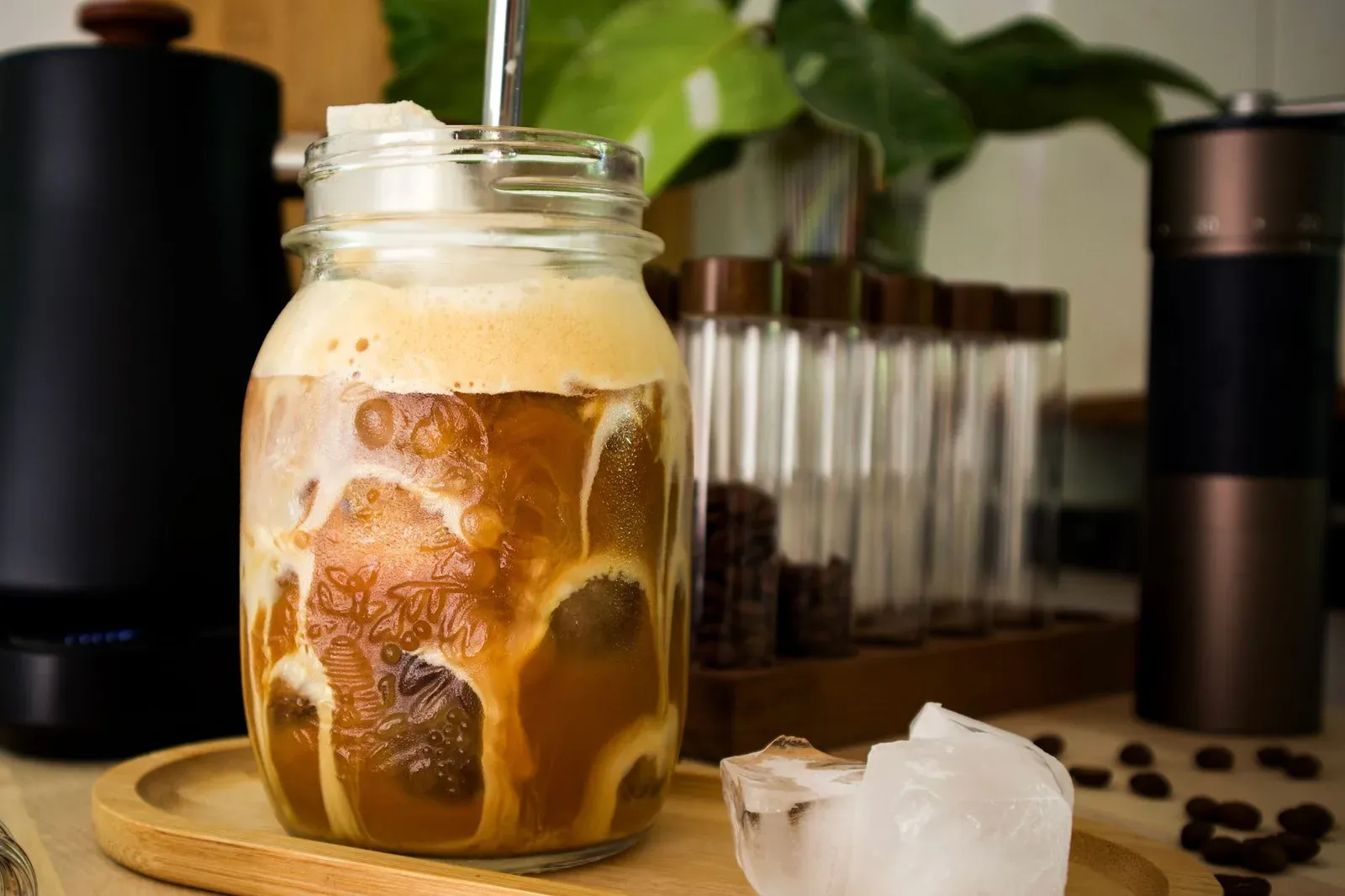
Cold water is a weak solvent
Extraction is driven by temperature. At 4 °C or at room temperature, water pulls compounds out of coffee slowly, and it pulls them out selectively: acids and most of the bitterness come out reluctantly, sugars and caffeine come out readily. That selectivity is exactly why cold brew tastes sweet and smooth.
It also means the margin for under extraction is wide. A cup that tastes watery, papery, of nothing much, is almost always a cup that did not extract enough.
The three flat cold brews
Under extracted. Thin, faintly sour, no sweetness, no finish. Causes: too short a steep, too coarse a grind, or too little coffee. Fix one at a time, in that order.
Over diluted. Sweet but weak, tasting correct in the first sip and empty after it. You made a concentrate and treated it like a ready to drink brew. Weigh both the concentrate and the water going into the glass, and remember that ice adds 20 to 40 per cent more water as it melts.
Stale. Flat in a different way: no aroma at all, a slight cardboard note. Cold brew oxidises in the fridge like everything else. Concentrate keeps about two weeks, ready to drink three days, and coffee that was already old when it went in was never going to give much.
The recipe that works
- Weigh. 1:5 coffee to water for concentrate, 1:12 to 1:15 for ready to drink.
- Grind coarse, around a French press setting. Coarser than that and 16 hours will not be enough; finer and the filtering afterwards becomes a chore.
- Wet everything. Stir once so no dry pockets float on top. Dry grounds extract nothing.
- Steep 14 to 18 hours at room temperature, or 18 to 24 in the fridge. Room temperature extracts faster and gives more body; the fridge gives a cleaner cup.
- Filter through a fine mesh and then through paper if you want it clear.
- Taste before diluting, and dilute to taste rather than to a rule.
Two upgrades worth the effort
Use water with some mineral content. Cold brew made with distilled or heavily softened water is the flattest of all, because there is nothing in the water to carry extraction.
And try a light roast. The usual advice to use dark roast exists to avoid bitterness that cold water was never going to extract anyway. A washed Kenyan steeped cold gives blackcurrant and sugar that no dark roast will ever produce.
Frequently asked
- What ratio should I use?
- 1:5 by weight for a concentrate you will dilute, so 200 g of coffee to 1 kg of water. For ready to drink straight from the jar, 1:12 to 1:15.
- Does cold brew need a dark roast?
- No, and light roasts make the most interesting cold brew. Dark roasts are the safe choice because cold water pulls out little bitterness, so a roast that would be harsh hot reads smooth cold.
Related reading
Filter papers, cloth and metal
Bleached, natural, cloth and metal filters change body, clarity and even the oils in a filter coffee. What each one lets through, and what it holds back.
How much caffeine is in your cup
A double espresso holds less caffeine than a mug of filter, and roast level barely matters. The numbers, and where the intuitions go wrong.
Water temperature, and what it actually changes
The 90-96 °C window, how roast level moves the right number, and why stability matters more than the setting. Plus how to test it by taste rather than by spec.