Ground coffee
Reading a supermarket shelf
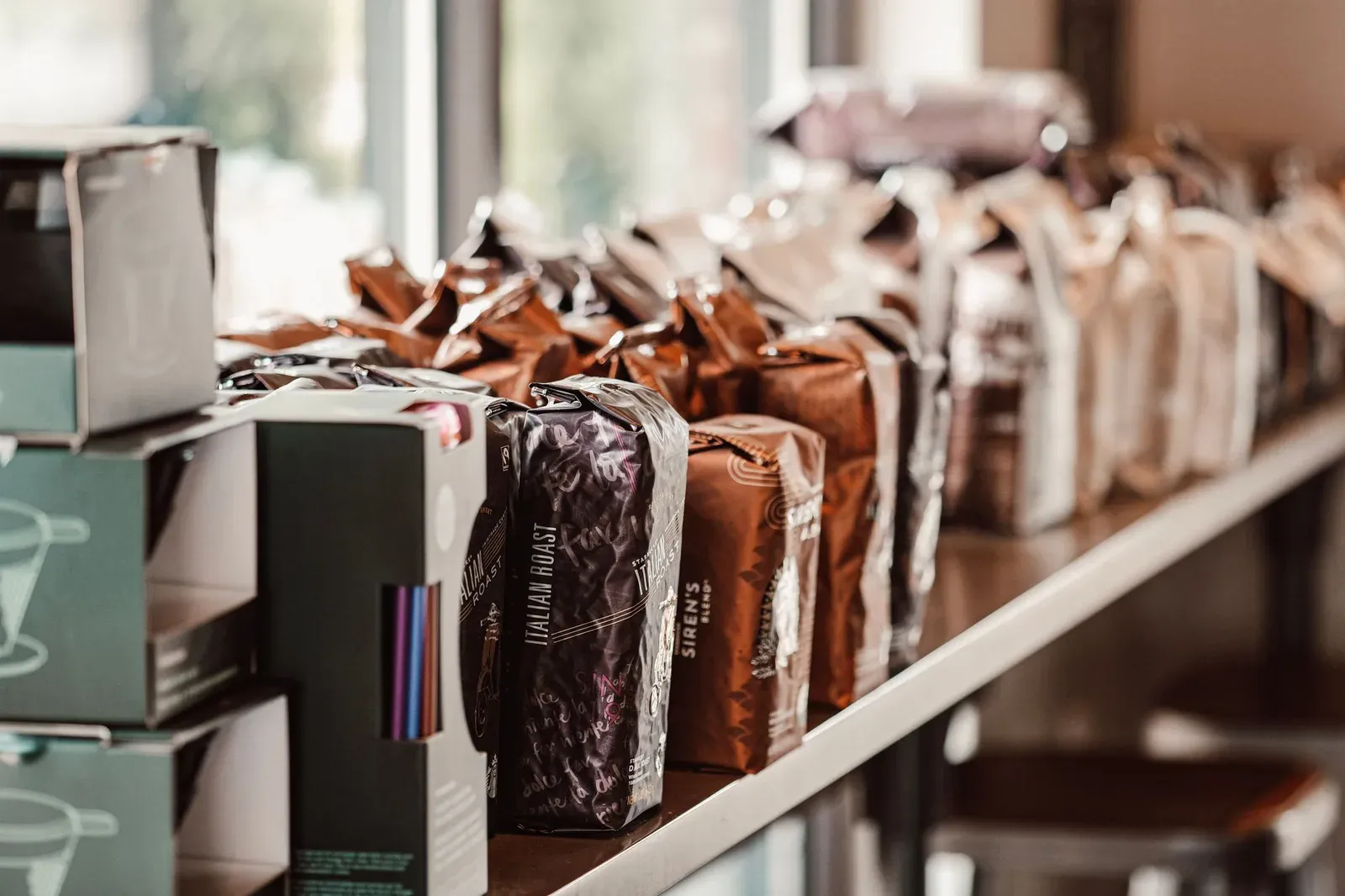
The shelf is built around one absent number
Everything you want to know about a bag of coffee is answered by the roast date, and the supermarket shelf is organised so that the roast date is the one thing not printed on it.
What is printed instead is a best-before date, typically 18 to 24 months out for a valved bag and up to 36 for a vacuum brick. Work backwards and a pack with eight months left may have been roasted a year ago. Nothing about that is illegal, dishonest or unusual. It simply means the date on the front is not about freshness.
So the first move on any shelf is to look for a roast date. If you find one, that brand has decided freshness is part of its offer, and it is worth trying on that basis alone. Usually you will not find one, and then the rest of this applies.
The claims, decoded
100 per cent arabica. A statement about species. It rules out robusta and nothing else, including altitude, harvest year, picking quality and processing. True on most mid-range packs, and roughly as informative as a wine saying it is made of grapes.
Blend of coffees from various origins. The legally required wording when the origins are not declared, which is the default for commodity blends. It means the components change with whatever was cheap, and that the pack you buy in March may not contain what the one in September contains.
Superior, selection, gourmet, premium, grand arôme. Marketing terms with no legal definition. They cost nothing to print.
Traditional or slow roasting. Occasionally real. Industrial roasting can run 90 to 180 seconds against a drum roaster’s 10 to 15 minutes, and a fast roast is a genuinely different coffee: more surface scorching, less developed sweetness. A brand naming a roast time or a drum is claiming something checkable. A brand saying artisanal is not.
The intensity scale. The number from 1 to 10 on the front measures roast darkness and, on capsules, a bit of extraction strength. It is set by the brand, against no standard, and is not comparable between brands. It does not measure caffeine, and an intensity 10 will typically have slightly less caffeine than an intensity 5, because a longer roast destroys some of it.
Certifications. These are the labels on the pack that mean something specific. Fairtrade sets a minimum price floor and a premium paid to a co-operative. Rainforest Alliance covers agricultural and labour practices. Organic covers inputs. None of the three says anything at all about how the coffee tastes, and none of them is a quality mark. They are ethics claims, and worth what you personally judge them to be.
The packaging tells you more than the front label
A one-way valve is a small plastic disc that lets CO2 out without letting oxygen in. Its presence means the coffee was packed fresh enough to still be degassing, which is a mild good sign. Press the bag gently: if you get a coffee smell through the valve, something is still there.
A vacuum brick, the hard rectangular kind, is packed after degassing, which means it sat for hours or days after roasting before being sealed. The vacuum then protects it very well. It is a format built for long shelf life rather than for aroma, and it is why a brick can honestly claim 36 months.
Whole beans in a valved bag is the best format on a supermarket shelf, by some distance, and it is usually on the bottom row.
Where the decent bags are hiding
Three places, reliably.
The whole bean section, which is small, more expensive per kilogram and often badly placed. It usually contains one or two roasters who also sell to cafés.
The Italian espresso brands in beans, not in bricks. These are proper espresso blends made by companies that roast constantly, and while the specialty world looks down on them, a fresh bag of one is a solidly made coffee that does exactly what it says.
The local roaster shelf, which more and more supermarkets carry. Often a regional roaster, often with a roast date, usually the only bag in the aisle with one.
What to walk past: anything ground in a brick that does not name a grind; the economy blend at half the price, which is robusta bulk and will be fine in milk and unpleasant black; and flavoured coffees, where the flavouring is usually covering coffee that needed covering.
A working method, in thirty seconds
- Scan the bottom row for whole beans in a valved bag.
- Look for a roast date. If one exists, that bag wins.
- If not, prefer a valved bag over a brick, and a named blend over various origins.
- Check the price per kilogram rather than per pack, because pack sizes are deliberately uneven.
- Buy the smallest size of the best candidate rather than the value pack, and come back next week.
None of this turns a supermarket into a roastery. It reliably moves you from the worst third of the shelf to the best tenth of it, which for most people is a bigger jump in the cup than any piece of equipment they could buy instead.
Frequently asked
- Is 100 per cent arabica a guarantee of quality?
- It is a guarantee about species and nothing else. A strip-picked, low-altitude, six-month-old arabica is worse than a well-made blend carrying robusta. The claim is true and almost useless on its own.
- Why is there no roast date on most supermarket coffee?
- Because nothing requires one, and because the supply chain measures freshness in months. The best-before date is typically set at 18 to 24 months from roasting, which tells you when the pack stops being sold rather than when the coffee stops being good.
Related reading
What is actually inside a capsule
Five grams of coffee, a nitrogen flush, a filter membrane and a shell built to hold nineteen bars. A capsule is packaging engineering before it is coffee.
Buying a decaf that tastes of coffee
Decaf stopped being a punishment about fifteen years ago. What to look for on the bag, what to avoid, and how to brew it so it holds up.
Pre-ground, done as well as it can be
Sometimes a grinder is not going to happen. Here is how to buy ground coffee, store it and brew it so it gives you most of what it still has.