Cappuccino
The Italian rules of cappuccino
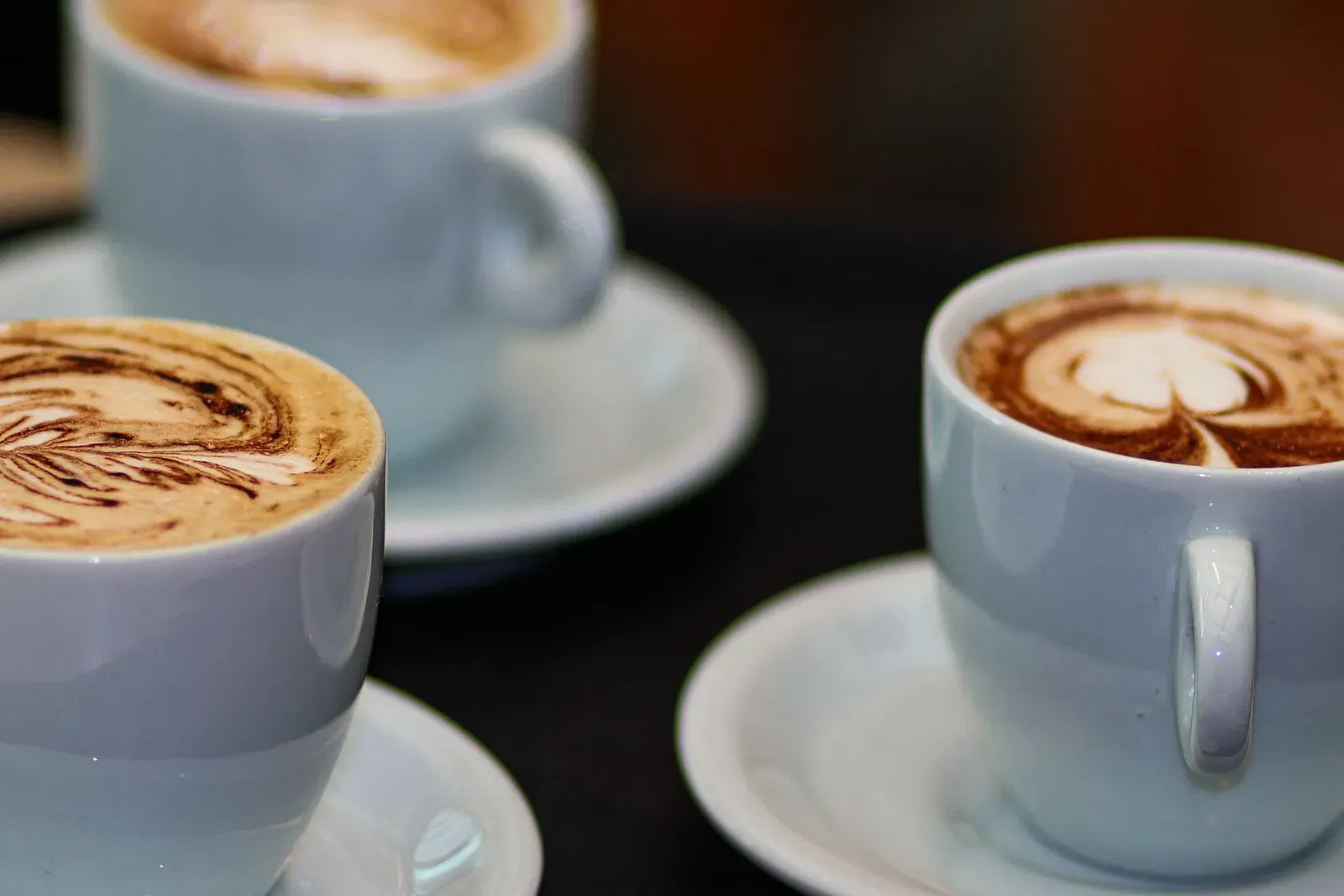
Every travel guide to Italy carries the same warning: never order a cappuccino after 11 in the morning. It is half true. There are rules, they are widely followed, and nobody will refuse to make you one. Here is what they are and where they come from.
Rule 1: it is a morning drink
A cappuccino in Italy is breakfast. Many people take it standing at the bar with a cornetto, the Italian cousin of the croissant, and that is the whole meal. Habits vary by region and by person, but by late morning most of the bar has switched to plain espresso.
The usual explanation is digestion: a large, milky drink is seen as a meal in itself and heavy on a full stomach. Whether that holds up nutritionally is beside the point. It is a shared habit, the way some countries drink tea at five.
Rule 2: never with lunch or dinner
This follows from the first. A cappuccino alongside pasta or after a pizza reads, to many Italians, like drinking a glass of milk with dinner. After a meal you take an espresso, which is quick, cheap and served in seconds. Our piece on the café menu, decoded explains the drinks you will see on the board instead.
Rule 3: it is warm, not hot
An Italian cappuccino arrives at a temperature you can drink immediately, roughly 60 to 65 °C. Milk steamed much hotter loses its sweetness and starts to taste cooked. Asking for it “bollente”, very hot, is possible and marks you as a visitor. Our article on which milk foams best explains why temperature changes the taste of milk so much.
Rule 4: it is small
The classic Italian cappuccino is built in a 150 to 180 ml cup: one espresso, around 100 ml of steamed milk and a cap of foam, often described as thirds. It is a small, balanced drink, not the 350 ml bowl served in many chains. Our cappuccino recipe gives the exact build, and latte, cappuccino and flat white shows how the three differ only in proportions.
Rule 5: there is no rule on art
Latte art is common in specialty bars and rare in a traditional Italian bar, where the foam is often spooned or simply poured as a white cap with a brown ring. Neither is wrong. If you want to learn the poured version, our step by step guide to the heart and the rosetta starts in the jug.
What happens if you break them
Nothing dramatic. Order a cappuccino at 3pm in Rome and you will get a cappuccino. You may get a smile, and you will certainly be recognised as a tourist, which you probably already are. If you want the local option in the afternoon, ask for a macchiato: an espresso stained with a little foam, small enough to pass after lunch.
Frequently asked
- Why don't Italians drink cappuccino after lunch?
- Mostly habit, partly a widely held belief that a large milky drink is heavy on a full stomach. After a meal, Italians drink a plain espresso, which is also quicker and cheaper at the bar.
- Is a cappuccino stronger than a latte?
- Usually the same single espresso, with less milk. It tastes stronger because there is less dilution, not because there is more coffee.
Related reading
The americano and the long black
Same espresso, same hot water, opposite order. Why the order changes the crema and the taste, and how to make either at home.
Macchiato, cortado, piccolo: the small milk drinks
Three small espresso and milk drinks that get confused on every café menu. What each one is, how much milk goes in, and where each name comes from.
The Ethiopian coffee ceremony, from green bean to third cup
Green beans roasted in a pan, pounded by hand, boiled in a clay jebena and poured three times. How buna is made, and why it takes an hour.