Coffee culture
The café menu, decoded
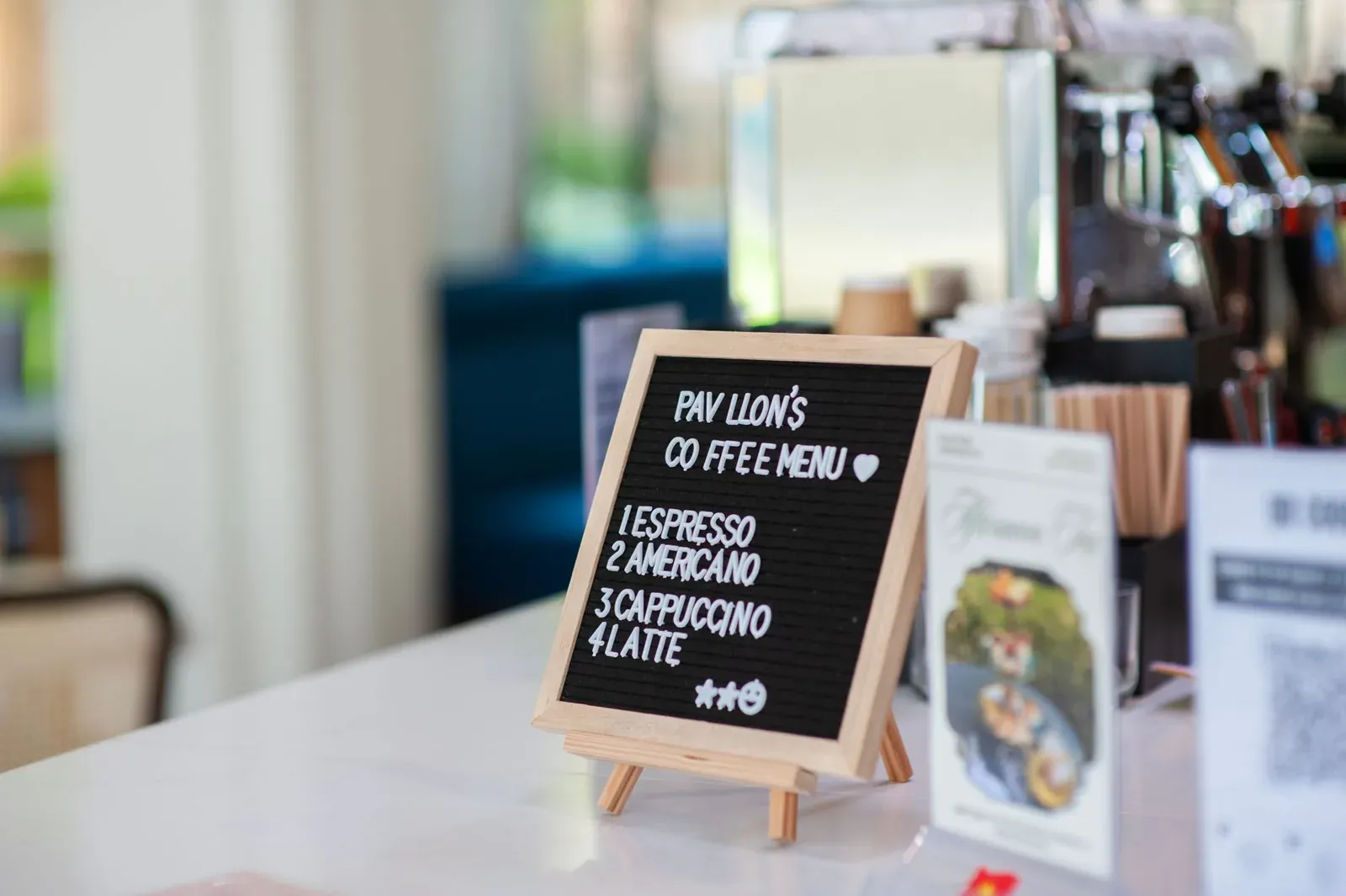
A specialty café menu looks like a list of twelve drinks. It is closer to two drinks with a dial on each. Once you can see the dial, ordering stops being guesswork.
Everything on the left is one shot and some water
An espresso is roughly 18 g of coffee in and 36 g of liquid out, in about 25 to 30 seconds. Change how much liquid comes out of the same dose and you get the whole first column of the menu.
- Ristretto: the shot cut short, around 25 g out. Thicker, sweeter, less developed acidity.
- Espresso: the reference, around 36 g out.
- Lungo: the shot run long, 50 g or more out. Thinner, more caffeine, more bitterness from the tail of the extraction.
- Americano: a normal shot with hot water added afterwards. Not a lungo: the extraction is untouched and only the dilution changes, which is why it tastes cleaner than a lungo of the same volume.
“Single” and “double” refer to the dose, not the cup. A double is the default almost everywhere, so a single usually needs asking for.
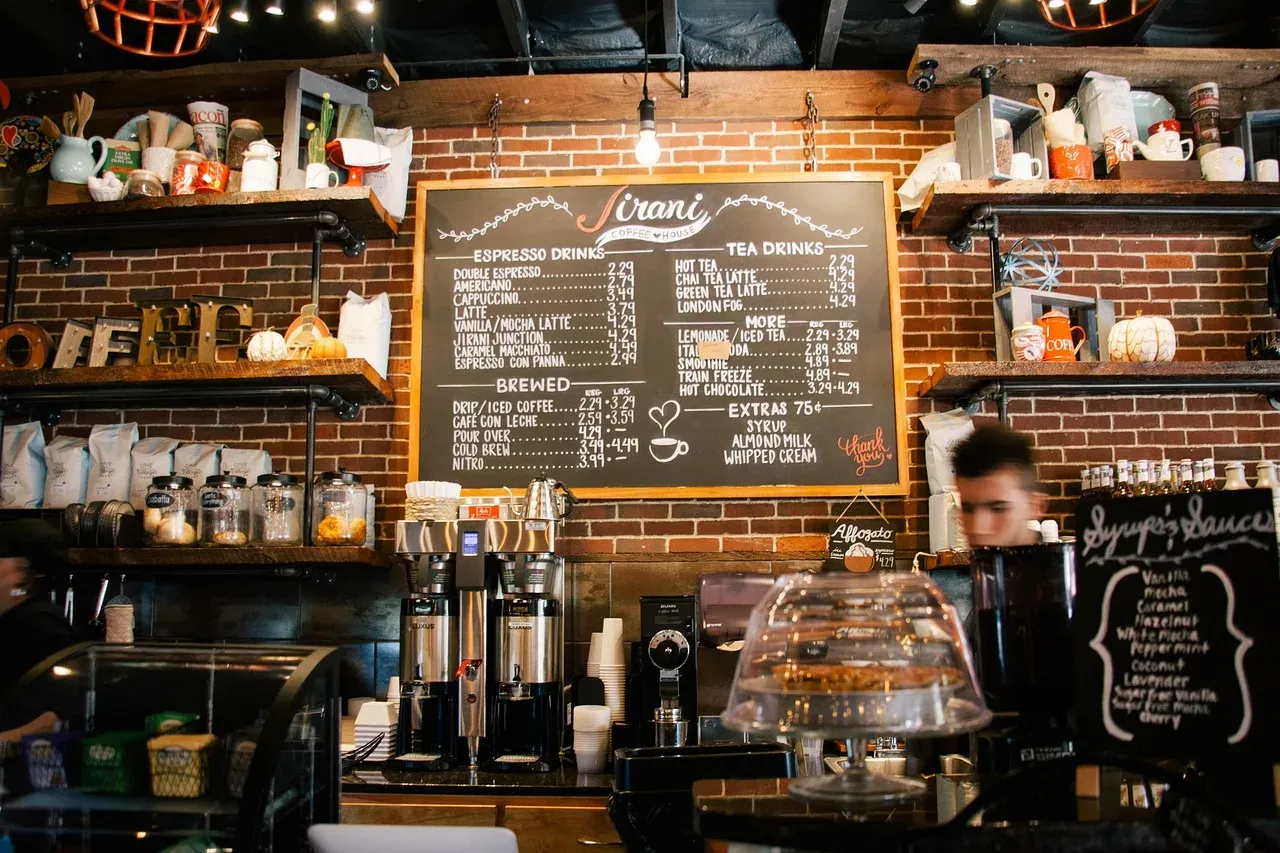
Everything on the right is one shot and some milk
Same shot, different volume of milk and different foam depth. Smaller drink, more coffee in the taste.
| Drink | Rough volume | What it tastes of |
|---|---|---|
| Macchiato | 40 to 60 ml | Coffee, marked with a spoon of foam |
| Cortado | 90 to 120 ml | Coffee and milk in balance, no foam layer |
| Flat white | 150 to 180 ml | Coffee first, thin microfoam, silky |
| Cappuccino | 150 to 180 ml | Milk first, a real foam cap |
| Latte | 250 ml and up | Milk, with coffee behind it |
If a drink tastes weak, order the same thing one size down rather than asking for an extra shot. Volume is the variable that changed.
The filter half of the menu
Batch brew is filter coffee made in volume on a timed machine. It is poured in seconds, it costs less than an espresso drink, and in most specialty cafés it is where the best beans of the week actually are.
Pour over, V60 or Chemex on a menu means a cup brewed to order, one at a time, usually from a more expensive lot. It takes four minutes and it is worth it when the café names the farm.
Cold brew is ground coffee steeped in cold water for twelve hours or more. Low acidity, heavy sweetness, and a caffeine content usually higher than it tastes. Iced coffee is often something else entirely: hot coffee chilled over ice, which keeps the acidity the cold brew loses.
How to order the cup you want
- You want to taste the coffee itself: batch brew, or a pour over if they offer one.
- You want milk but not a milkshake: cortado or flat white.
- You want a small, intense hit: ristretto or a double espresso.
- You want it to last: latte or an americano.
And one question that works in any café worth its counter: what is on filter today? The answer tells you whether the menu is a list or a point of view.
Frequently asked
- What is the difference between a flat white and a latte?
- Volume and foam. A flat white is around 150 to 180 ml with a thin layer of microfoam, a latte is 250 ml or more with the same shot, so the latte tastes milkier.
- Is batch brew just filter coffee?
- Yes. It is filter coffee brewed in volume on a timed machine and held warm, which is why it is fast, cheap and usually the most interesting coffee on the menu.
Related reading
The Ethiopian coffee ceremony, from green bean to third cup
Green beans roasted in a pan, pounded by hand, boiled in a clay jebena and poured three times. How buna is made, and why it takes an hour.
Dialling in a new bag
A repeatable routine for the first four shots from a new coffee: what to fix, what to change, and how to know when you are done.
How much caffeine is in your cup
A double espresso holds less caffeine than a mug of filter, and roast level barely matters. The numbers, and where the intuitions go wrong.