Buying guides
From capsules to beans: making the switch
What leaving capsules for whole beans really costs and saves per cup, what you gain and lose, and three ways to do it depending on the effort you accept.
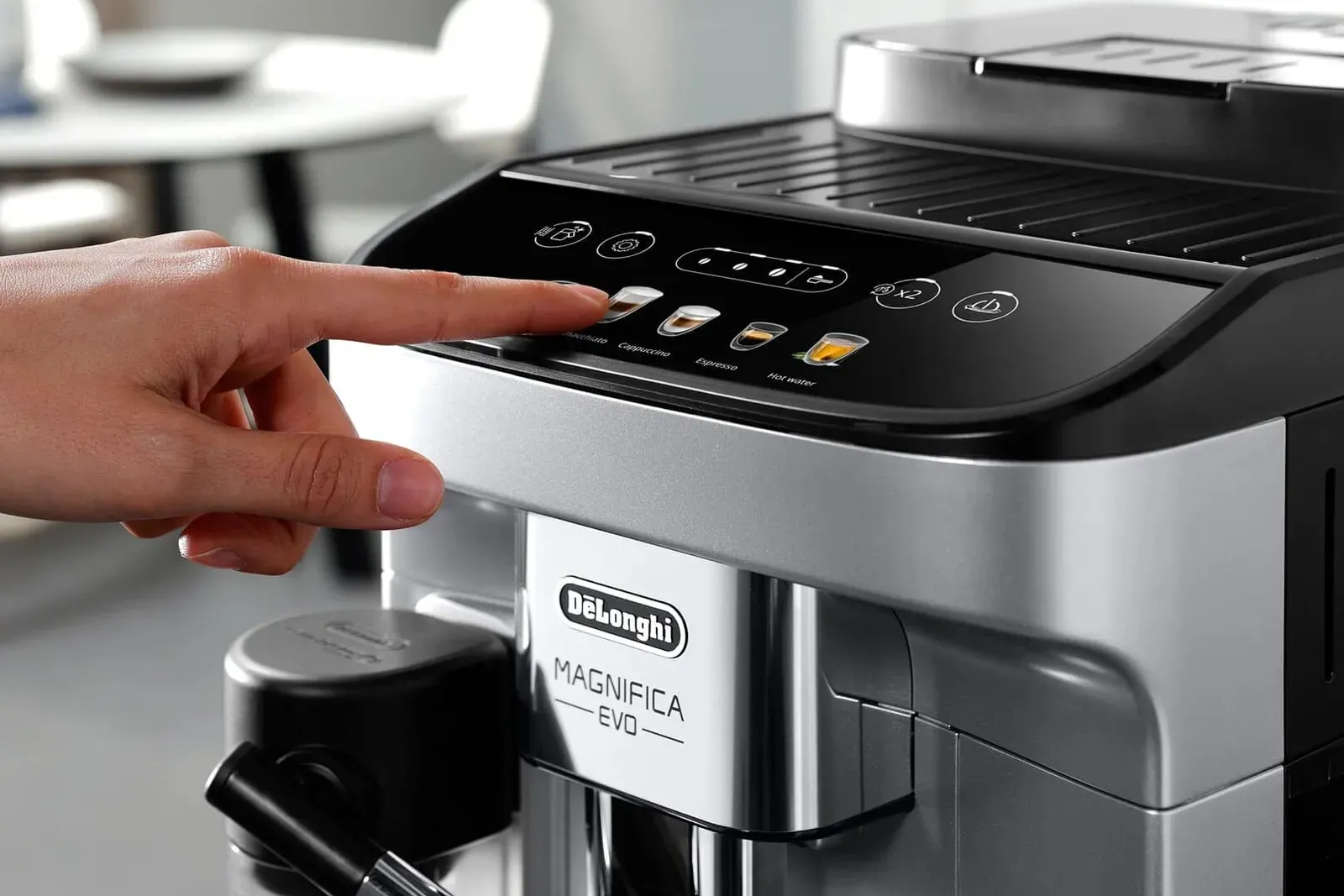
Featured
3 buying guides
The push-button path
De'Longhi
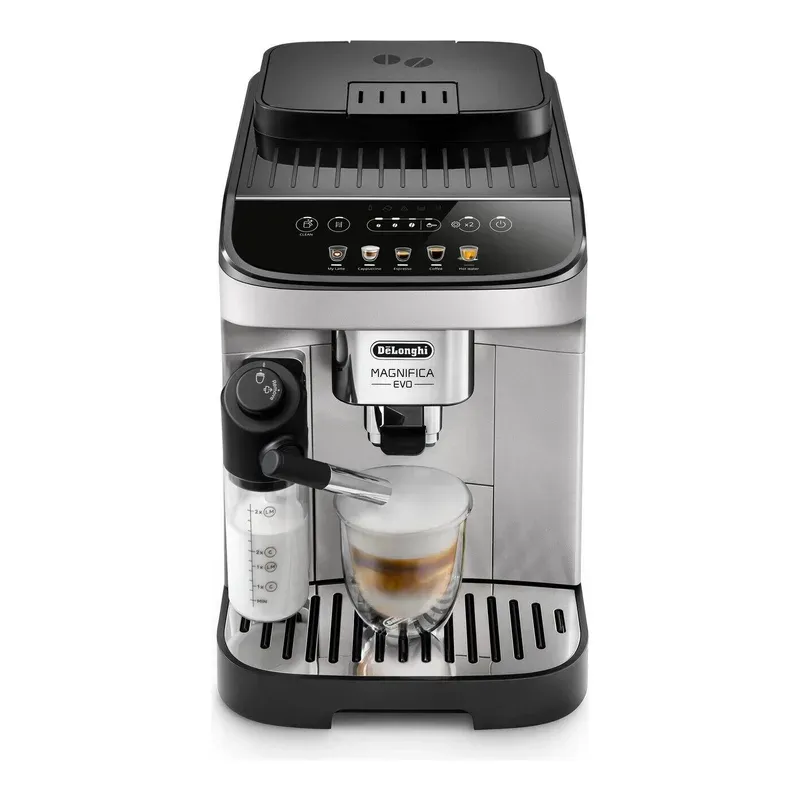
De'Longhi Magnifica Evo
Beans in the hopper, a button for each drink and an automatic milk system. The closest thing to a capsule routine, with fresh coffee in it.
- Type
- Bean-to-cup
- Grinder
- 13-setting steel conical
- Milk
- LatteCrema automatic
- Tank
- 1.8 L
The espresso path
Sage
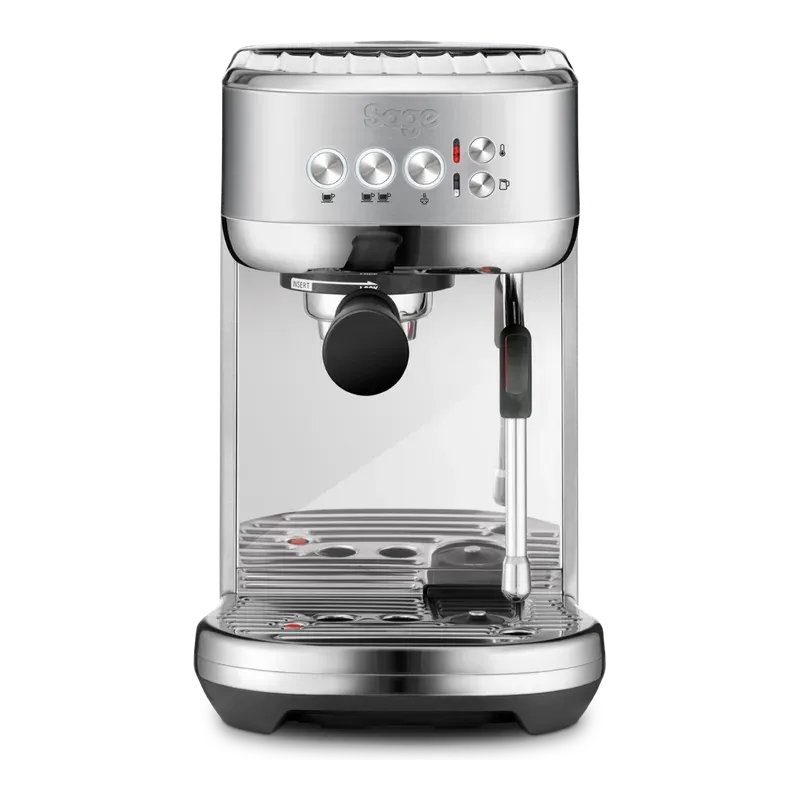
Sage Bambino Plus
Heats in seconds, holds its temperature with a PID and textures milk on its own. It needs an espresso grinder and a few weeks of practice.
- Type
- ThermoJet, PID
- Portafilter
- 54 mm
- Steam
- Automatic wand
- Tank
- 1.9 L
The cheap manual path
Timemore
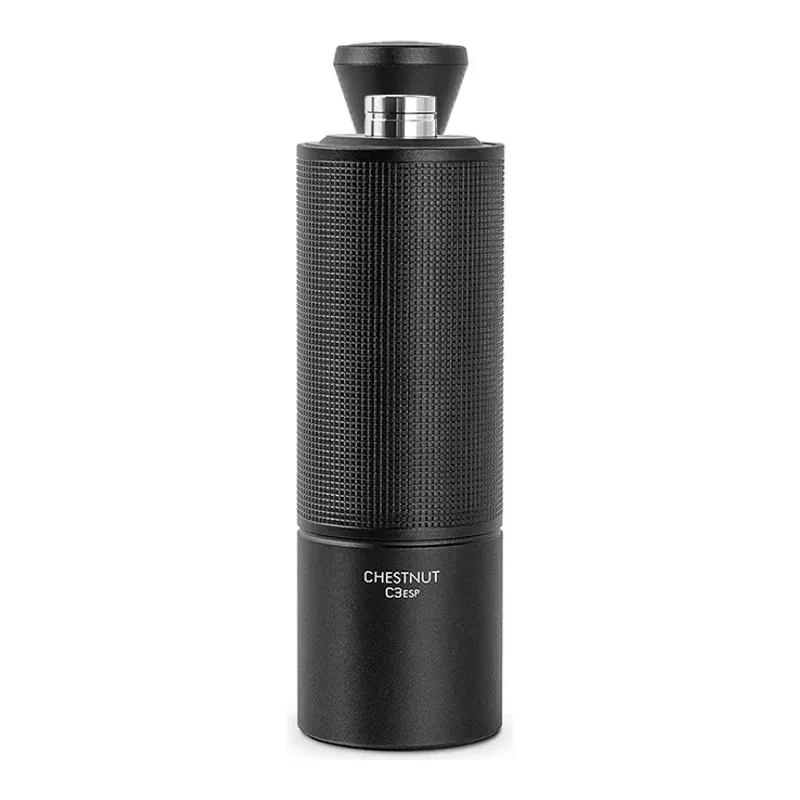
Timemore Chestnut C3 ESP
A hand grinder fine enough for espresso, paired with an AeroPress or a moka pot. The smallest outlay and the most work per cup.
- Burrs
- 38 mm stainless steel
- Adjustment
- Internal clicks, finer than the C3
- Body
- Aluminium
The usual reason to leave capsules is the bill. The better reason is the cup. Both deserve honest numbers, because the first one is smaller than people expect and the second one is larger.
The cost per cup, done properly
A capsule holds about 5 to 6 g of coffee and sells for roughly €0.40 to €0.70. Work that up to a kilogram and you are paying somewhere around €75 to €125 per kilo. Good whole beans from a roaster cost roughly €20 to €35 per kilo. These are approximate European prices and they move, but the ratio holds: per gram, capsule coffee costs two to six times as much, and three or four times in the typical case of a €0.50 capsule against beans at €25 per kilo. Coffee capsules: the cost per cup has the arithmetic in full.
Per drink is where it gets less tidy, because you will not put 5 g into a cup made from beans.
| What you make | Coffee per drink | Rough cost per drink |
|---|---|---|
| One capsule | about 5.5 g | €0.40 to €0.70 |
| Beans, same 5.5 g | 5.5 g | €0.11 to €0.19 |
| Beans, AeroPress or moka | about 15 g | €0.30 to €0.53 |
| Beans, double espresso | 18 g | €0.36 to €0.63 |
Read the last row carefully. An 18 g double espresso costs about what a capsule does, and it contains three times the coffee. If you replace each capsule with a double, you are not saving money. You are buying a much bigger, much better drink for the same price.
The saving shows up when the amount of coffee stays the same. A household going through three capsules a day, about 16 g of coffee, spends roughly €550 a year at €0.50 a capsule. The same 16 g a day from beans at €25 per kilo is about €150. That €400 difference is what pays for the equipment below.
What you gain
Freshness you can check. A good bag carries a roast date. A capsule carries a best before date, often a year or more out, and tells you nothing about when the coffee was roasted. Capsule machines: what you trade explains why the seal slows staling and still cannot tell you that.
Choice. Any roaster, any origin, any roast. Not one brand’s range and its compatibles. Choosing beans for your method is the next page to read once you get there.
Less waste. What leaves your kitchen is wet grounds, which compost. No aluminium or plastic per drink, and no collection scheme to remember.
A ceiling that moves. A capsule tastes the same on your best day and your worst. Beans can taste much better, and that is the whole point.
What you lose
Thirty seconds. A capsule is load, press, drink. Every path below takes longer, from a minute on a bean-to-cup to five on a manual setup.
Clean hands. Grounds get everywhere. A bean-to-cup needs its brew unit rinsed and its milk system cleaned. An espresso machine needs a puck knocked out, a wand wiped, and a backflush now and then.
The learning curve. Short on a bean-to-cup, a few days on an AeroPress, a few weeks on espresso. The first bags are spent dialling in rather than enjoying.
The easy decaf. A capsule machine switches to decaf by changing pods. With beans, decaf means a second bag and, on a grinder that holds coffee inside it, a few grams wasted every time you swap.
None of this is a reason to stay. It is a reason to choose the path that fits the effort you will really put in at seven in the morning.
Path one: push a button
For: people who liked the capsule routine and want better coffee in it.
A bean-to-cup machine grinds, doses, tamps, brews and textures milk itself. The De’Longhi Magnifica Evo, around $649, is the sensible version: a built-in conical grinder, an automatic milk system, and a direct button for each drink. The coffee is fresher and the choice is yours. The result is good rather than exceptional, because the machine has to make every decision for every bean.
Feed it a medium roast. Very dark, oily beans leave a film in the grinder and the hopper of a bean-to-cup and can eventually clog it, which is a costly way to learn that the machine was built for drier coffee.
Cleaning is the cost. Rinse the brew unit weekly, clean the milk circuit after every use, descale when it asks. Bean-to-cup machines, explained covers what goes on inside, and the bean-to-cup hub has the rest of the range.
Path two: learn espresso
For: people who want the real thing and will practise for it.
The Sage Bambino Plus, around $499, is the gentlest entry into proper espresso. It heats in a few seconds, which matters to someone used to a capsule machine, holds its temperature with a PID, and steams milk automatically to a set temperature. It also comes with pressurised baskets, so you can start with pre-ground coffee while you learn.
It needs a grinder that can go fine enough for espresso, and the grinder matters at least as much as the machine. The Timemore C3 ESP below is the cheapest way to get there by hand. Budget for both, and expect the first weeks to be spent learning. The first espresso machine guide covers the alternatives.
Path three: grind by hand
For: people on a small budget who do not mind two minutes of effort.
The Timemore Chestnut C3 ESP, around $89, is a hand grinder with a fine enough adjustment for espresso. Pair it with an AeroPress for a clean, strong cup, or a moka pot for something heavier and closer to what a capsule drinker expects. Neither makes espresso. Both make very good coffee for a fraction of the other two paths, and the grinder comes with you if you later buy a machine.
Grinding 15 g by hand takes a minute or two. That is the price, every morning. If a moka pot appeals, choosing a moka pot covers sizes and materials.
Before you sell the capsule machine
Keep it for a month. Use it for decaf, for guests, for the morning the new setup misbehaves. Most people stop reaching for it within weeks. If you still reach for it every day, that tells you something about which path you needed.
And buy small bags at first. Two or three 250 g bags from different roasters teach you what you like faster than one kilogram of anything. Buying coffee beans online covers what to look for on the roaster’s page.
Frequently asked
- Do I save money by switching from capsules to beans?
- For the same amount of coffee, yes, a lot: around €400 a year for a household on three capsules a day. If you move to 18 g double espressos, you use about three times as much coffee per drink and the saving per cup shrinks to little or nothing. You are then paying the same for a much bigger, better drink.
- Is a bean-to-cup machine as easy as a capsule machine?
- Almost, at the button. Not in the cleaning: the brew unit wants a rinse every week or so, the milk circuit after every use, and the machine needs descaling. It is minutes a week, not seconds.