Buying guides
Kitting out for pour over
Which dripper, in which material, with which papers and server, and the order to buy the whole kit in so the money goes where the cup notices it.
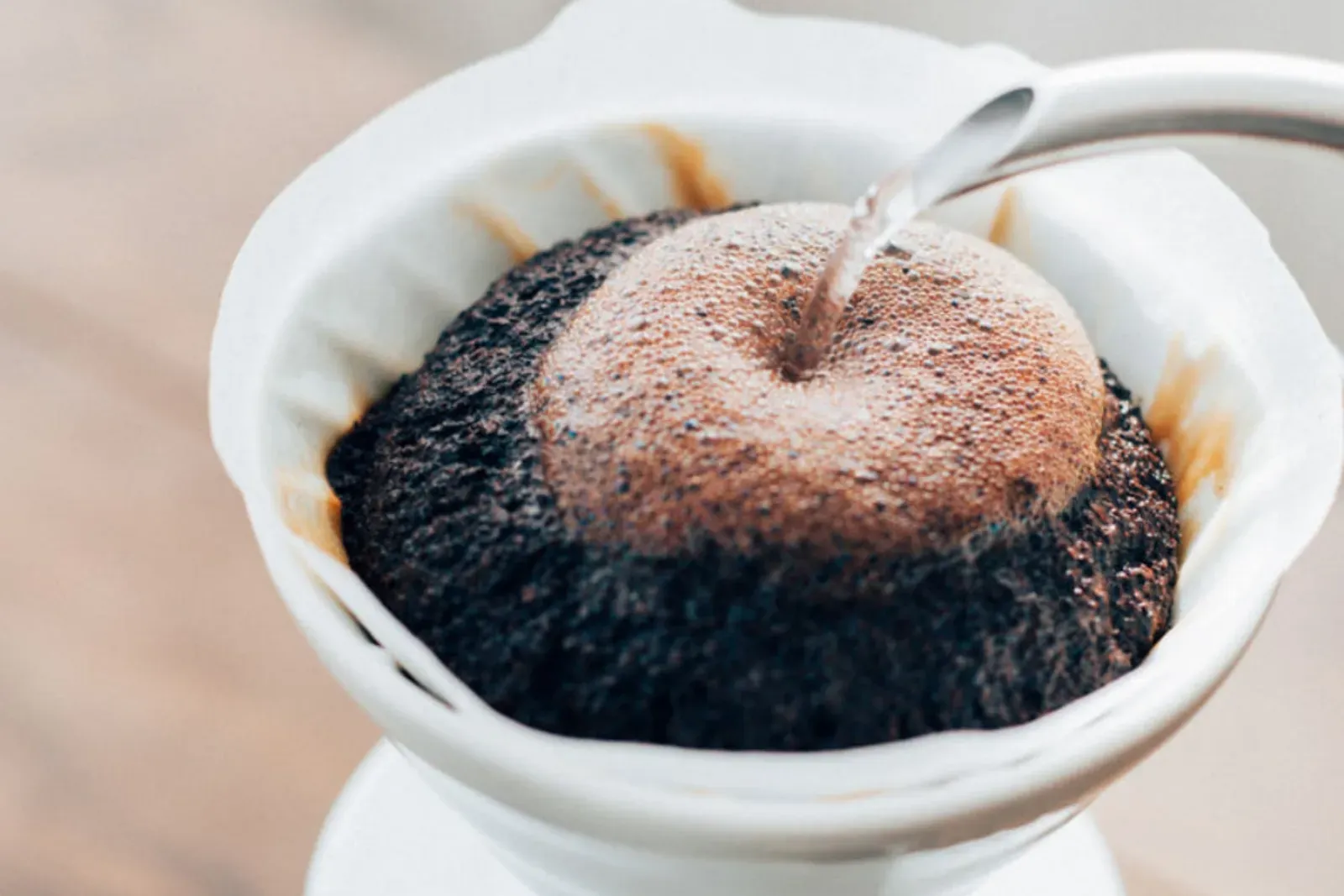
Featured
3 buying guides
The dripper to start on
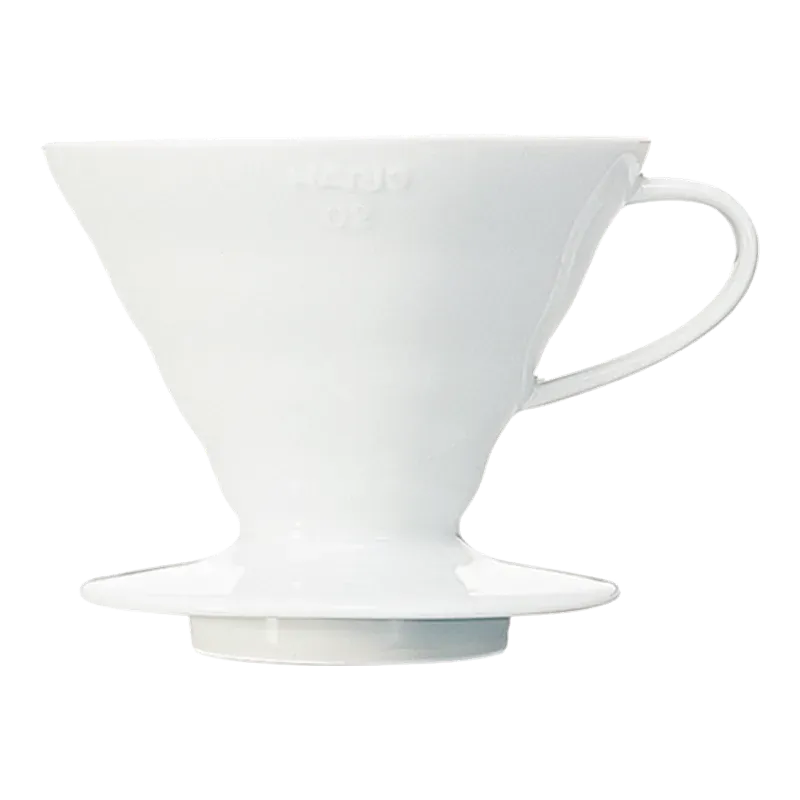
Hario
Hario V60-02 Ceramic
A cone with spiral ribs and one large hole, so the grind and your pour set the flow. The 02 size brews one to four cups, and its papers are sold everywhere.
- Material
- Ceramic
- Size
- 02 (1–4 cups)
- Ribs
- Spiral, full height
- Filter
- V60 02 paper
The grinder for it
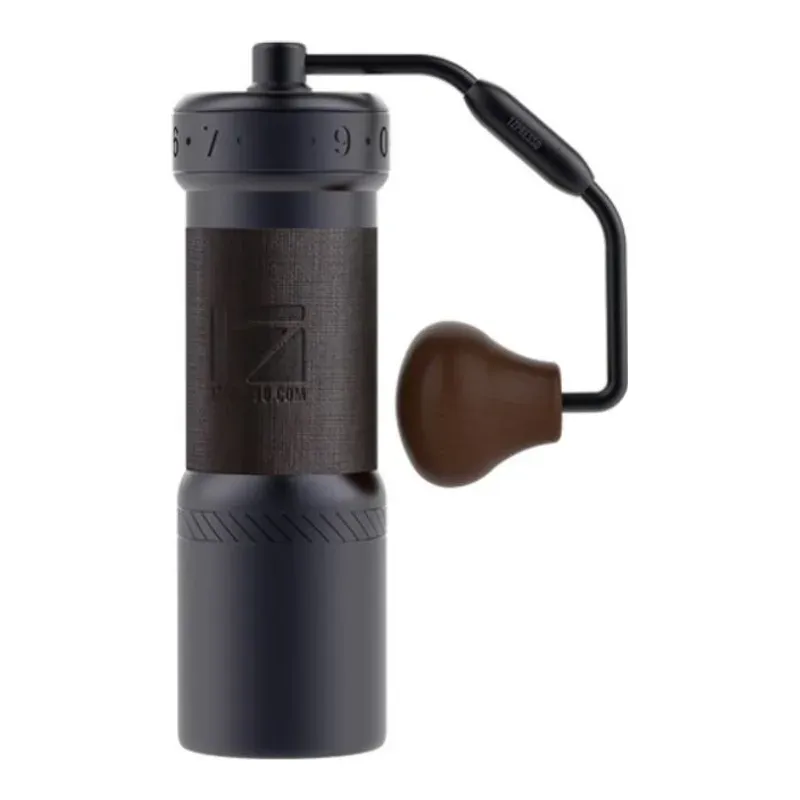
1Zpresso
1Zpresso K-Ultra
A hand grinder with large conical burrs and a numbered external dial. Enough for a V60 every morning, for less than a good electric.
- Burrs
- 48 mm conical, stainless steel
- Adjustment
- External dial
- Built for
- Filter, espresso possible
The scale for it
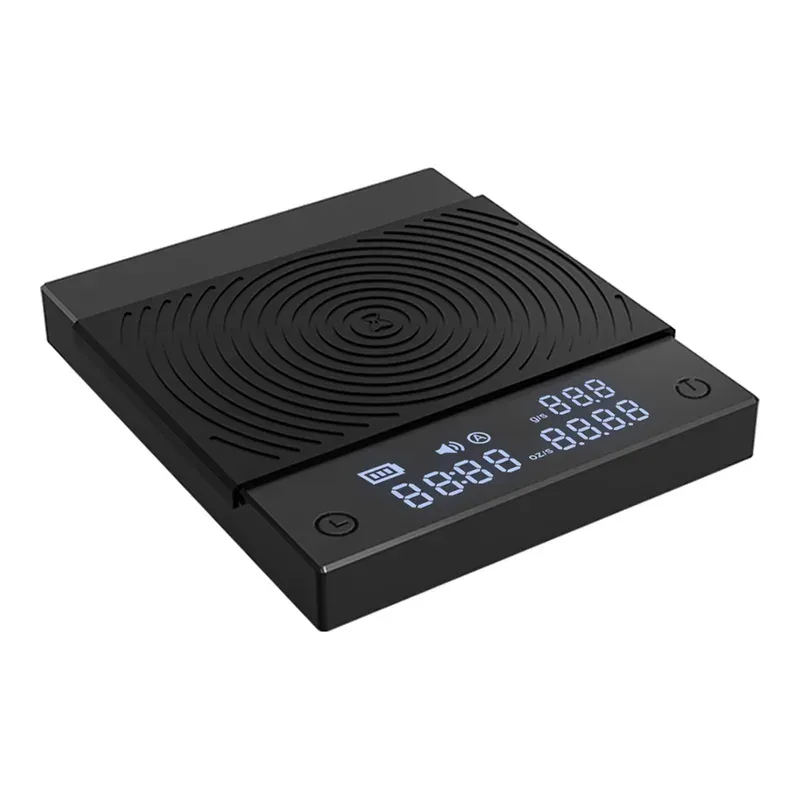
Timemore
Timemore Black Mirror Basic 2
0.1 g, a 2 kg capacity that takes a ceramic dripper and server, and a timer that starts with the first pour.
- Resolution
- 0.1 g
- Capacity
- 2 kg
- Timer
- Auto-start on pour
- Charging
- USB-C
Shape first
The pour over page sorts drippers into three shapes. For buying, that is the first decision, because it decides who controls the flow: you or the brewer.
| Dripper | Shape | Flow set by | Suits |
|---|---|---|---|
| Hario V60 | Cone, one large hole, spiral ribs | Your grind and your pour | Anyone willing to practise |
| Kalita Wave | Flat bottom, three small holes, fluted paper | Largely the brewer | A steady cup with less technique |
| Origami | Cone with deep pleats, takes cone or wave papers | The paper you choose | Trying both behaviours on one dripper |
| Chemex | Glass hourglass, thick bonded paper | Mostly the paper | Batches for several people, very clean cups |
| Melitta | Wedge, small holes in a narrow base | The holes | An everyday cup, papers in any supermarket |
The V60 is the default for a reason. It shows you everything. Change the grind by one step and the drawdown moves. Pour badly and the cup tells you. That makes it the best dripper to learn on, and the least forgiving one to own on a rushed morning.
The Kalita Wave is the other sensible first buy. Its flat bed and small holes slow the flow and even it out, so two people pouring differently land closer together. If you want a good cup more than you want to learn, start here.
The Origami is a cone with pleated walls, and it takes either V60-style cone papers or Kalita-style wave papers. One dripper, two behaviours. Most are thin porcelain, so treat it like a teacup.
The Chemex is a dripper and a server in one piece of glass. The thick paper does most of the work, which makes it slow and very clean, and it is at its best brewing for three or four. The Chemex page covers the brew.
The Melitta is the dripper most kitchens already had. Small holes meter the water, papers are cheap and everywhere, and it makes a decent cup with almost no technique. It also gives you very little to adjust.
Material: what preheating fixes
A dripper is a few hundred grams of something sitting between hot water and your coffee. Whatever it is made of, it takes heat from the first pour.
- Ceramic is heavy. Cold, it pulls several degrees out of the brew. Hot, it holds steady. Preheat it properly: pour the rinse water through slowly, not in one splash.
- Plastic is light and takes very little heat to begin with. It is cheap, survives a drop onto tiles, and brews as well as anything else here.
- Glass sits between the two on heat and is the most fragile.
- Metal, stainless or copper, warms fast and loses heat fast. It is the traveller’s option, and it needs preheating every time.
The difference between a rinsed ceramic dripper and a plastic one is small next to the grind. If you buy ceramic, the habit that matters is the rinse. Water temperature explains why a filter brew cools as it goes.
Papers: right shape, right size, then brand
Every dripper has its own paper. V60 papers are cones sized 01, 02 and 03 to match the dripper. Kalita Wave papers are fluted and come in two sizes. Chemex papers are thick, bonded and folded. A cone paper in a wave dripper, or a 01 paper in a 02, changes the flow more than any dripper upgrade would.
Within the right shape, brands differ in thickness and porosity, so they drain at different speeds on the same dripper. Pick one and stay with it. Switching paper means re-dialling the grind. Bleached or natural is a question of taste from the paper itself, which a rinse removes. Filter papers, cloth and metal goes through what each one lets through.
Two practical points. Buy a hundred at a time: it is cheaper and you will use them. Store them sealed and away from strong smells, because paper picks up odours and gives them back to the coffee.
A server, or a mug
For one cup, a mug is enough. Check that the dripper sits flat and stable on its rim, and that the mug fits on your scale.
For two cups, a glass server with volume marks. You can see the drawdown, swirl the brew before pouring so both cups taste the same, and the whole thing sits on the scale. A thermal server is worth it only if the second cup is drunk an hour later. A Chemex needs neither.
What can wait
Most of the pour-over aisle is optional, and some of it is a detour.
A stand. A wooden or steel frame that holds the dripper above the server looks good and lets you watch the drip. It does nothing to the coffee. A mug does the same job.
A permanent metal filter. It saves paper and changes the cup: oils and fines go through, so the brew comes out heavier and closer to a press. That is a style choice, not an upgrade, and the mesh has to be scrubbed or it goes rancid. Try it after you know what your coffee tastes like through paper.
A switch dripper. The Hario Switch and the Clever Dripper add a valve under the cone, so the coffee steeps first and drains when you open it. They are forgiving and good, and they are immersion brewers that happen to look like drippers. Buy one if you want that cup, not as a first pour over.
A second dripper. Wait until the first one has taught you something. The interesting comparison, a cone against a flat bottom, only tells you anything once your pour is repeatable.
The order to buy in
This is where most of the money goes wrong. The dripper is the cheapest item in the kit and the one that changes the cup least.
- Scale. Everything is a ratio. A 0.1 g kitchen scale will do to start.
- Grinder. The biggest single effect on the cup. Choosing a filter grinder covers it; a good hand grinder is the efficient answer for one or two cups.
- Dripper and papers. A V60 02 costs about $24 in ceramic, less in plastic.
- Gooseneck kettle. It changes the pour more than a better dripper does. Kettles and scales covers both items in detail, including the cheap versions that work.
- Server. Only when you brew for two.
The picks above add up to around $290 for the dripper, grinder and scale. Add a basic stovetop gooseneck and papers and the whole kit is about $330. A cheaper grinder and a kitchen scale bring it under $200 without touching the dripper.
Then brew. The single-cup V60 recipe is a sound starting point, and if the drawdown runs long, why your pour over drains slowly goes through the usual causes.
Frequently asked
- Ceramic or plastic V60?
- Plastic if you want the cheapest good option or travel with it: it takes little heat from the brew and survives being dropped. Ceramic if you prefer the weight and the look and will preheat it properly. On the cup, the gap is small.
- Do I need a server?
- Not for one cup. Brew straight into a mug whose rim takes the dripper's base. For two cups, or to swirl the brew before pouring, a glass server with volume marks is worth the small cost. A Chemex is its own server.