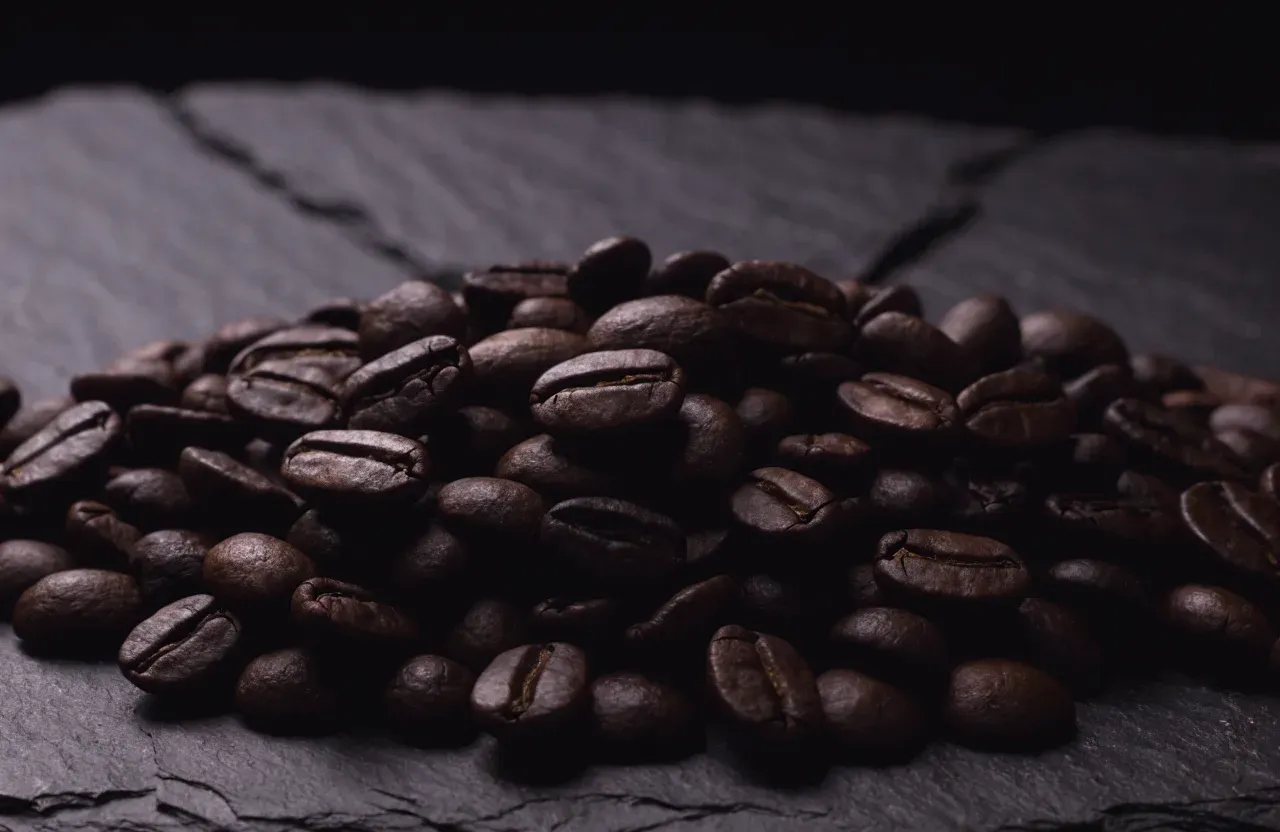
Dark roast without the burn
A developed dark roast is sweet, heavy and smooth. A scorched one is ashy and thin.
How a roast curve is designed, and how to read what a bag is telling you about one.
A developed dark roast is sweet, heavy and smooth. A scorched one is ashy and thin.
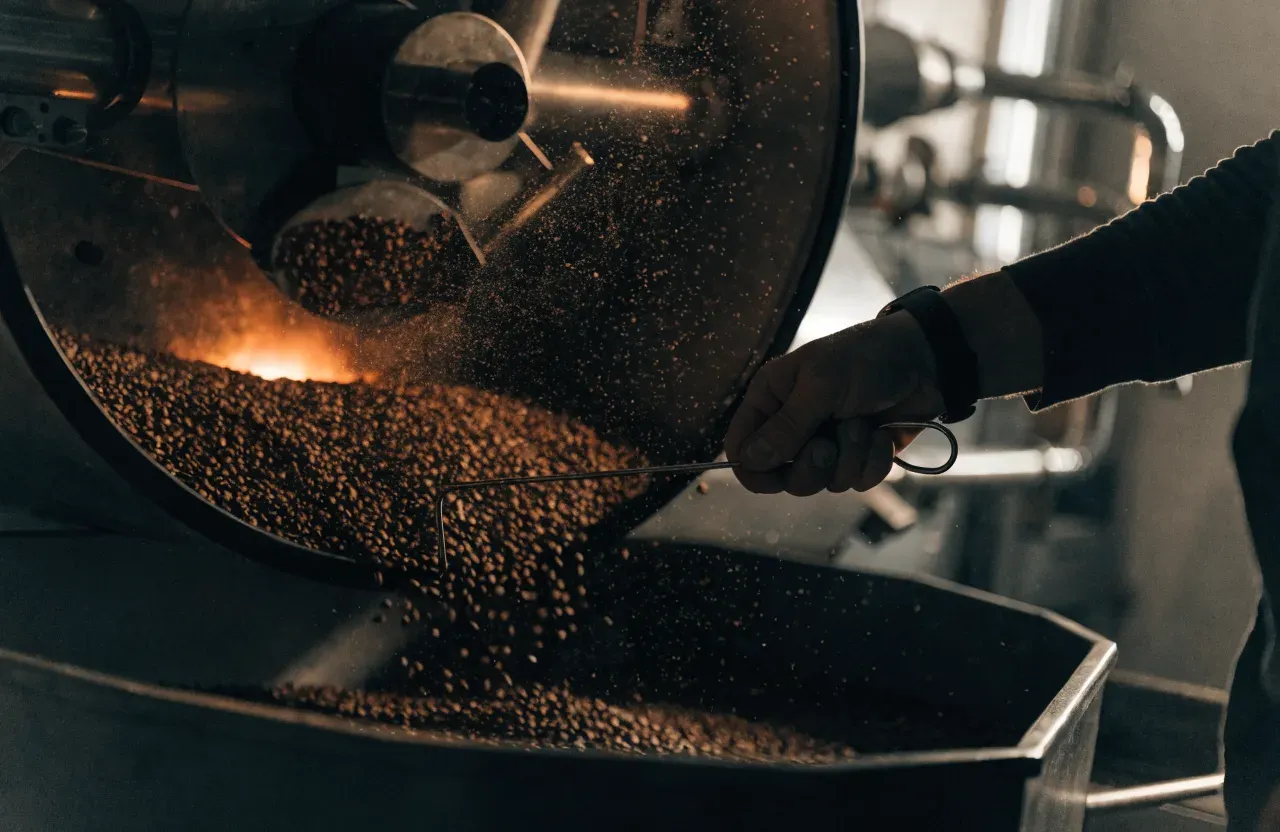
Drying, Maillard, first crack, development, second crack. What each phase puts into the cup, and why a roast profile is a curve rather than a setting.
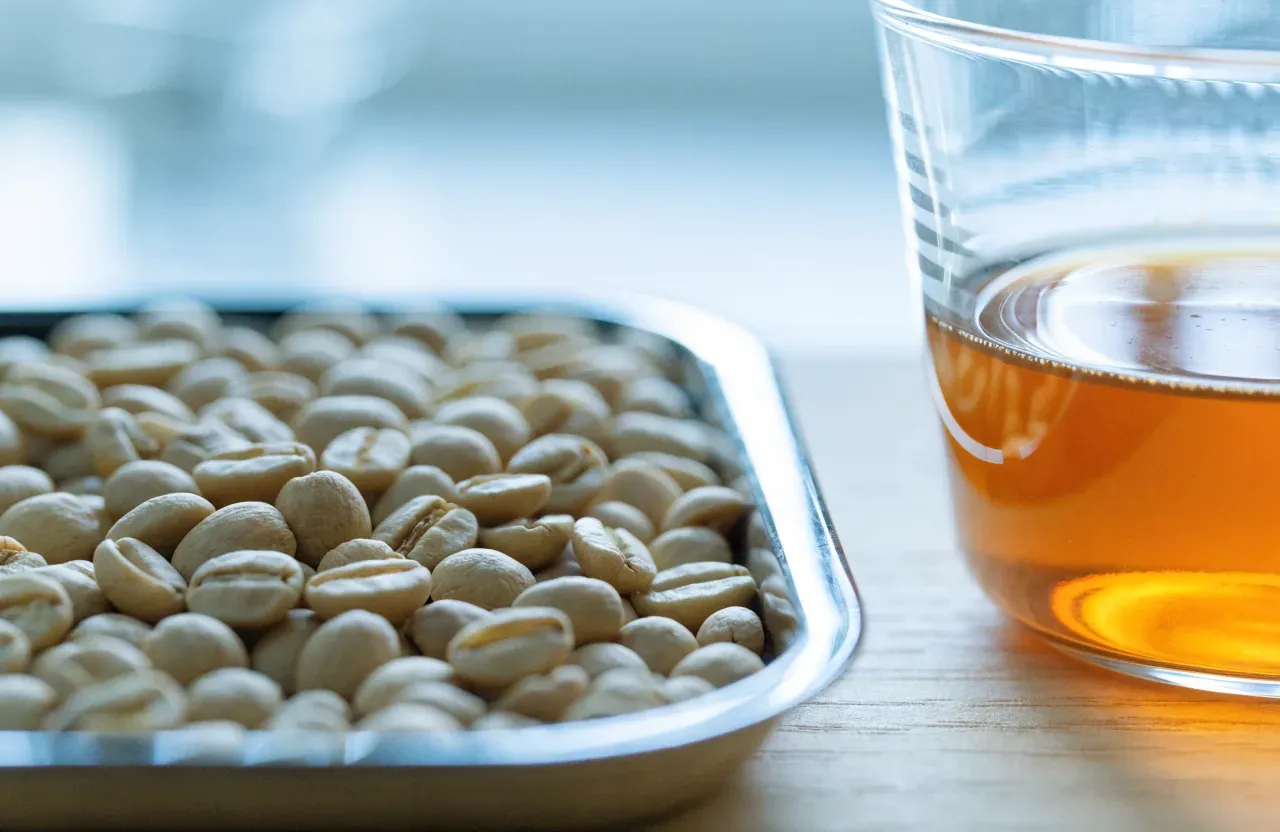
A light roast keeps the acidity, the origin character and most of the bean's density. All three are why it tastes the way it does, and why it is harder to brew.
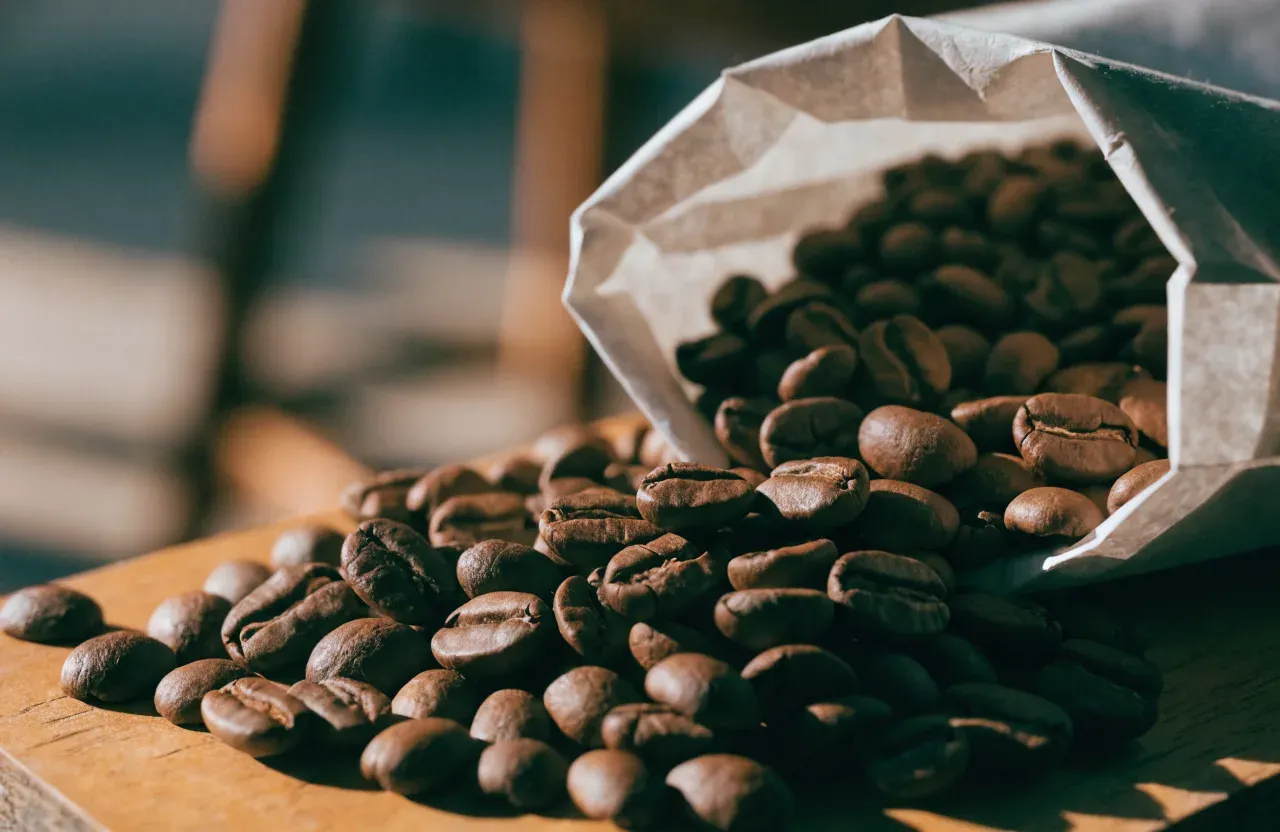
First crack, then a few minutes of development. That window is where sweetness and acidity overlap, and it is why a medium roast forgives a bad grind setting.