Whole bean coffee
Resting coffee: why a fresh roast is not ready yet
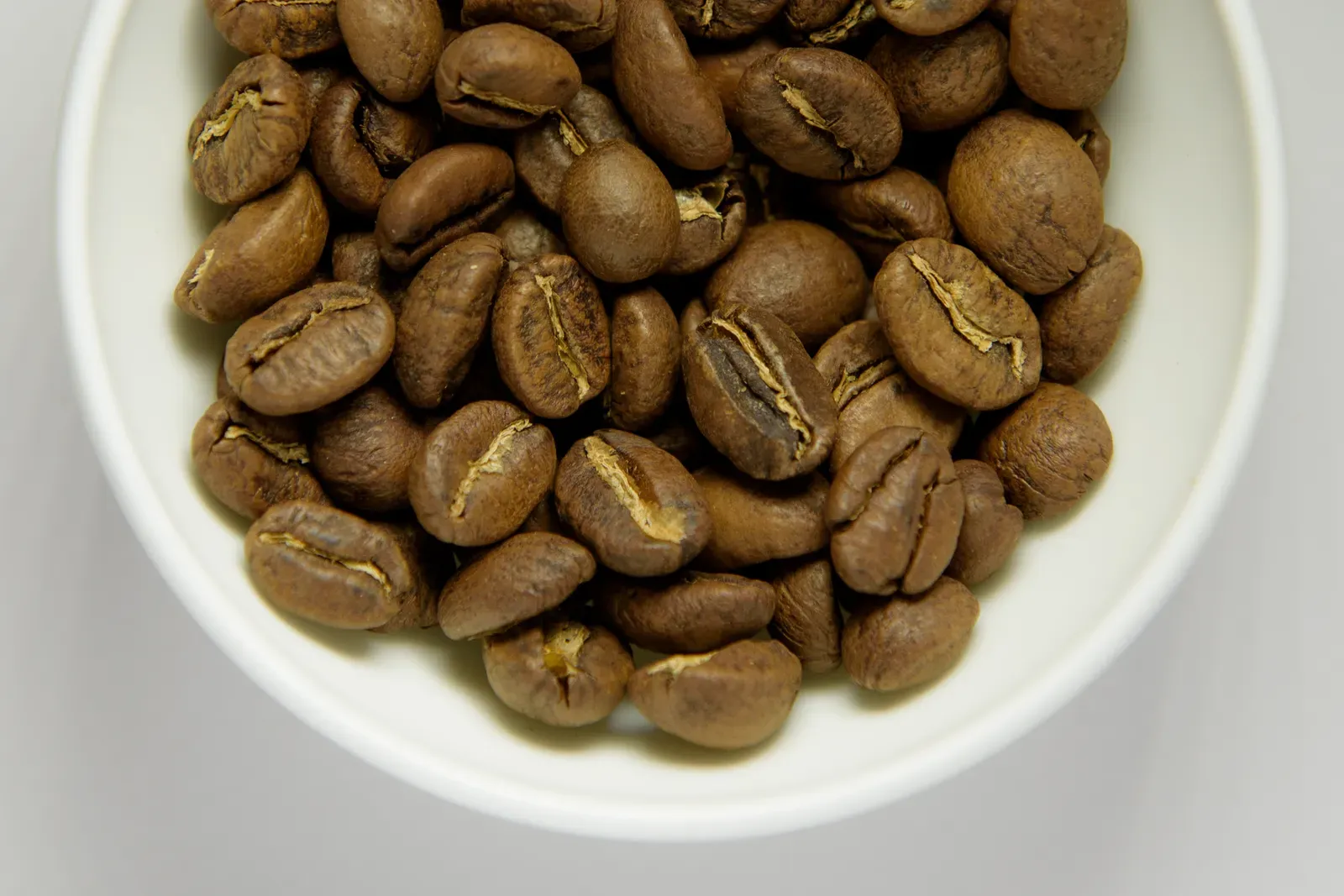
A bag roasted yesterday smells wonderful and brews badly. That is not a paradox, it is chemistry, and it is why a good roaster prints a roast date rather than a best before date: the first tells you when the coffee will be ready, not only when it will be finished.
What is happening inside the bean
Roasting drives a long chain of reactions that produce carbon dioxide, and the bean’s cell structure traps a lot of it. A freshly roasted bean holds several milligrams of gas per gram of coffee, more after a dark roast than a light one, because the longer and hotter the roast, the more gas forms and the more porous the bean becomes.
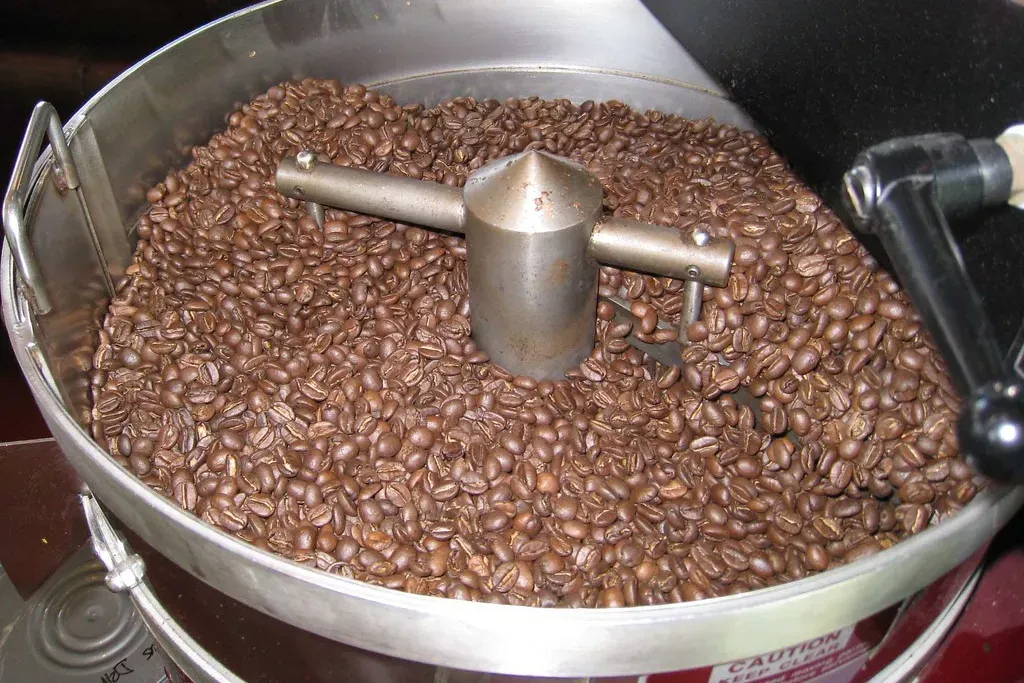
That gas starts leaving the moment the coffee drops into the cooling tray, fast at first and then more slowly. Most of it is gone within one to two weeks. Grinding speeds the whole thing up enormously, which is why ground coffee goes flat in days rather than weeks.
Why the gas gets in the way
Carbon dioxide leaving the grounds pushes water away from them. In a filter brewer you see it as the bloom: the bed swells, cracks and bubbles for the first half minute. A little of that is a good sign. A bed that is still frothing after a minute is gas keeping water off the coffee, and the cup comes out thin and sharp even at a sensible grind.
Espresso suffers more, because there is no time to wait it out. Gas escaping under nine bars opens small channels through the puck, so water races through some of it and barely touches the rest. The shot runs fast, the flow looks uneven, and a thick, pale, bubbly crema covers a cup that tastes sour and hollow underneath. It is the most photogenic bad espresso you will ever pull.
How long to rest it
These are starting points, not rules. Roast level moves them more than anything else.
| Brew | Medium roast | Light roast | Dark roast |
|---|---|---|---|
| Filter, pour over, AeroPress | 3–7 days | 7–10 days | 2–5 days |
| Espresso | 7–14 days | 14–21 days | 5–10 days |
| Cold brew, French press | 2–5 days | 5–7 days | 1–3 days |
A light roast is denser and releases its gas more slowly, so it needs the longest rest and often tastes best somewhere in its third week. A dark roast is porous and degasses quickly, so it peaks early and fades early too. Immersion methods forgive freshness best, because the grounds sit under water long enough for the gas to leave on its own.
Reading your own bag
The simplest test is the one you already do. Brew the bag on day three and again on day eight with the same recipe and write down what changed. If the bloom has calmed and the cup has gained sweetness, the coffee was not ready on day three. If it tasted better on day three, you have learnt something about that roaster.
For espresso, the tell is in the dial-in. A bag that keeps asking to be ground finer across its first week is still degassing. Once the grind stops drifting, the coffee has arrived.
After the peak
The same process that makes coffee ready also makes it old. Once most of the gas has gone, aromatics follow, and a bag kept at room temperature is usually past its best four to six weeks after roasting. Two habits buy real time:
- Keep the bag closed, squeezed flat, away from heat and light. The one-way valve lets gas out; it cannot keep air out once you have opened the bag.
- Freeze what you will not drink within a month, in small airtight portions, and grind straight from the freezer. Storing coffee at home covers the details.
What rest does not do is rescue a stale coffee or improve a poor one. It only lets a good roast show you what it was already going to be.
Frequently asked
- What is the valve on a coffee bag for?
- It is a one-way valve. It lets carbon dioxide out so a freshly roasted bag does not swell or burst, and it keeps outside air from getting in. It does nothing to slow staling once the bag has been opened.
- Does supermarket coffee need resting?
- No. Coffee that reaches a supermarket shelf was usually roasted weeks earlier and packed after degassing, or sealed with nitrogen. Resting is a question for bags from a roaster that prints a roast date.
Related reading
Dialling in a new bag
A repeatable routine for the first four shots from a new coffee: what to fix, what to change, and how to know when you are done.
Pre-infusion and the bloom
Wetting the coffee before you brew it properly is the same idea on an espresso machine and on a pour over. What it fixes, and how long it should last.
Puck prep: WDT and distribution
What happens between the grinder and the group head decides the shot. Clumps, distribution tools, the WDT needle, and which steps are worth the time.