Temperature
Temperature surfing on a single boiler
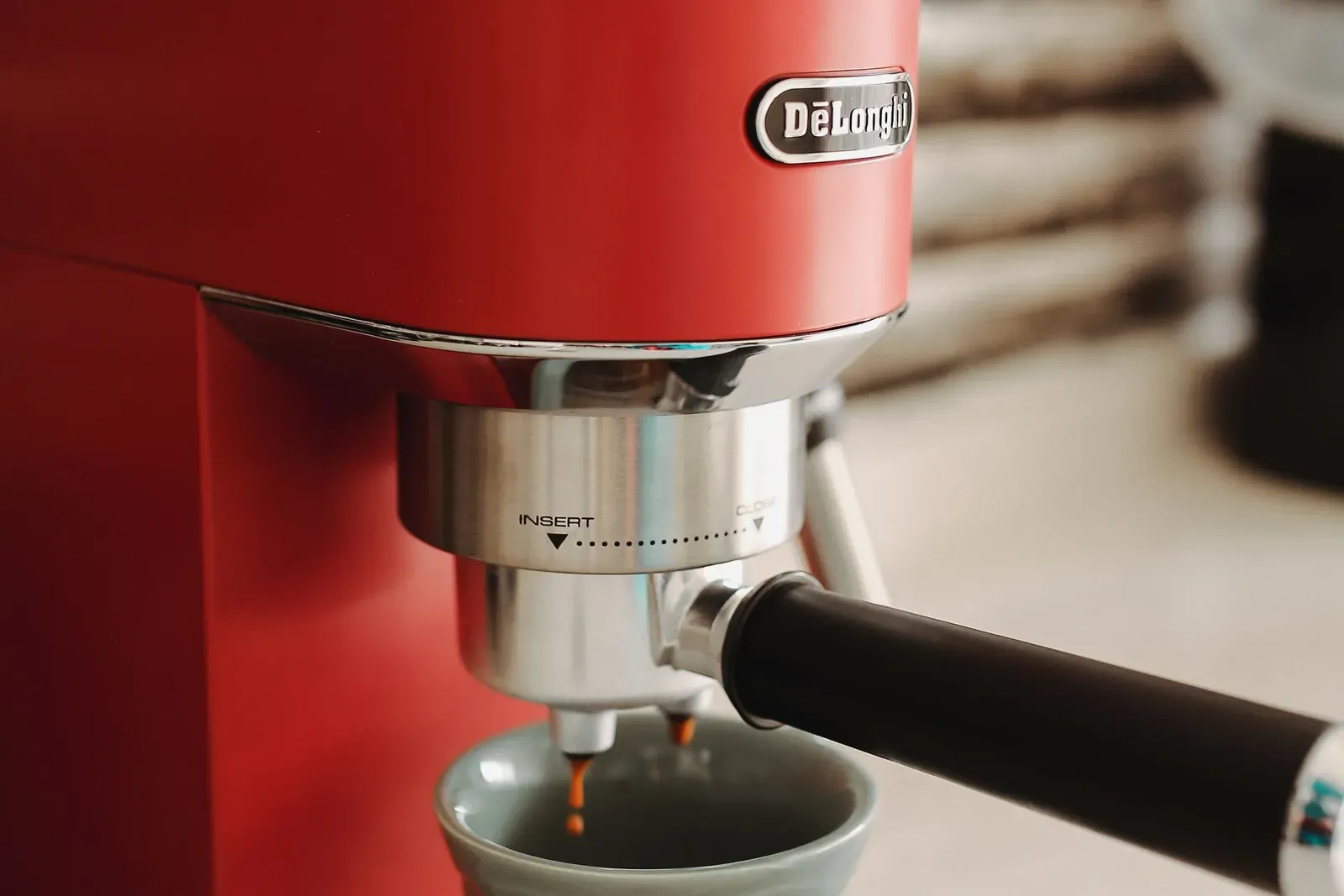
The first thing I notice when someone shows me a single boiler machine is how they start the shot. If they lock in and press the button whenever they are ready, the machine is deciding the temperature, not them. Temperature surfing is how you take that decision back.
Why the temperature moves
Most entry level single boiler machines, the kind covered in our boiler types explainer, control the boiler with a simple thermostat. It is a switch: below one temperature it turns the element on, above another it turns it off. Between the two the water drifts, and thanks to the heat already stored in the element it overshoots on the way up.
The result is that brew water can vary by several degrees, sometimes close to ten, depending on where in that cycle you press the button. On the same coffee, that is the difference between a sweet shot and a sour one. Our article on water temperature explains what a few degrees changes in the cup.
The light is your clock
Almost every single boiler machine has a light that shows when the element is on, or when the machine is “ready”. That light tells you where you are in the cycle. Surfing is simply choosing one point in the cycle and starting every shot there.
The most common routine:
- Let the machine warm up fully, at least 15 to 20 minutes with the portafilter locked in, so the group and the handle are hot too.
- Run water through the empty group until the heating light comes on. This drains the hottest water from the top of the boiler and starts a fresh heating cycle.
- Wait for the light to go off. The element has just stopped and the boiler is near the top of its range.
- Wait a fixed number of seconds after it goes off: try 10 to start.
- Lock in the dosed portafilter and start the shot.
The exact delay is less important than doing the same thing every time. Once your routine is fixed, you can use the delay like any other variable: start sooner for a hotter shot, later for a cooler one.
Adjusting by taste
Taste is the instrument here. If a shot that looks fine in how it flows tastes sharp and thin, try starting it earlier in the cycle. If it tastes harsh and dry, start it later. Change nothing else while you do this, or you will not know which change worked.
Light roasts usually want the hot end. Medium and dark roasts are more forgiving, and our piece on medium roast explains why most espresso blends are roasted to be.
After steaming
Steaming milk on a single boiler means raising the boiler far above brew temperature. If you then pull another shot straight away, the water will be scalding. Pull shots first and steam after, or flush generously until the light comes back on before brewing again. Our milk kit guide covers the steaming side.
The permanent fix
All of this is a workaround for a thermostat. A PID controller holds the boiler within a degree of where you set it, and the routine becomes unnecessary. That is why fitting one is the classic first upgrade on machines like the Gaggia Classic, and why we wrote a whole piece on what a PID actually changes. If you are still choosing a machine, our first espresso machine guide notes which ones ship with one.
Frequently asked
- Does temperature surfing apply to a heat exchanger machine?
- A heat exchanger has the opposite problem: water sitting in the group overheats while the machine idles, so you flush to cool it before brewing. It is also called a cooling flush. The principle is the same: a fixed routine so every shot starts at a known temperature.
- Can I skip it with a dark roast?
- More or less. Dark roasts extract easily and taste better a little cooler, so a slightly low shot is rarely a disaster. Light roasts are the ones that punish a cold shot with sourness.
Related reading
The heart and the rosetta, step by step
The two first latte art patterns, broken into the movements that make them: height, tilt, flow and the final lift through the middle.
Tampers, mats and the rest of the counter
A tamper that fits the basket, a mat that protects the counter and a knock box that saves the bin: the espresso tools worth having, and the ones to skip.
Automatic dosing against doing it yourself
Grind by time, grind by weight, or weigh it yourself. The three approaches differ in what drifts, and knowing which drift you live with settles the choice.