Buying guides
Choosing an espresso grinder
What espresso asks of a grinder that filter does not, from step size to retention, and three ways to answer it between about $199 and $449.
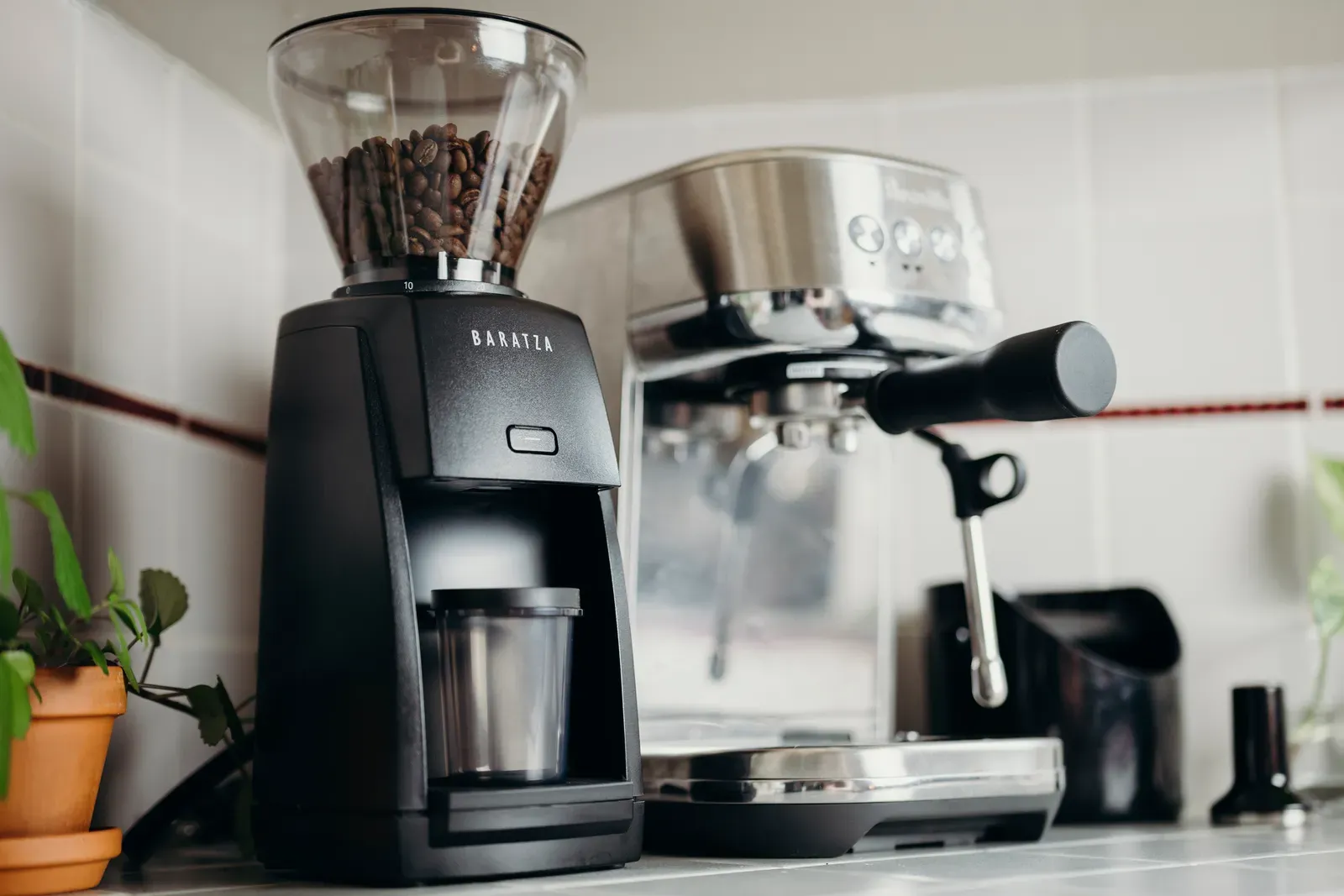
Featured
3 buying guides
Stepped budget electric
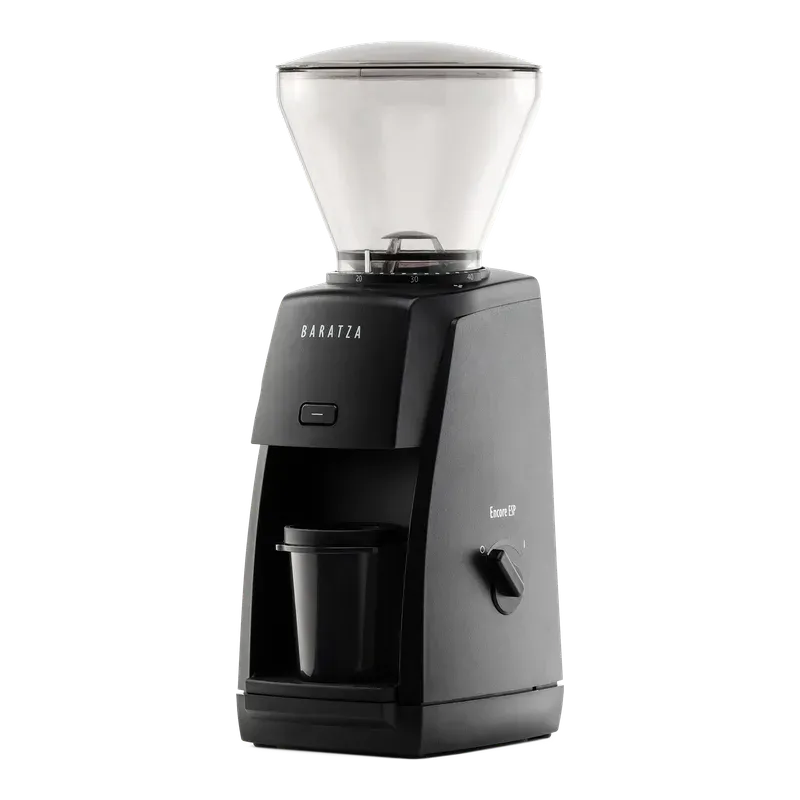
Baratza
Baratza Encore ESP
Forty espresso steps, low retention, a motor that holds its speed. The limit is the step: some bags want a setting between two.
- Burrs
- 40 mm conical, M2
- Steps
- 40 espresso / 20 filter
- Motor
- DC, gear reduction
- Retention
- Low, ~0.5 g
Stepless flat-burr hopper grinder
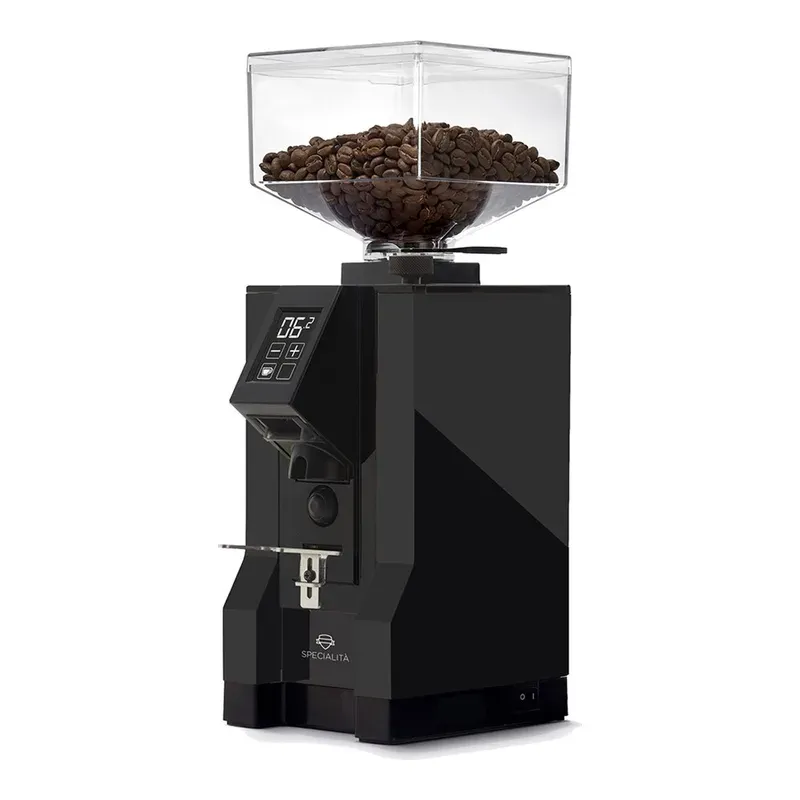
Eureka
Eureka Mignon Specialità
55 mm flat burrs, stepless adjustment and a timer, in a quiet body. Built to live with one coffee in the hopper.
- Burrs
- 55 mm flat, hardened steel
- Adjustment
- Stepless
- Dosing
- Timed, two presets
- Noise
- Insulated body
Espresso by hand
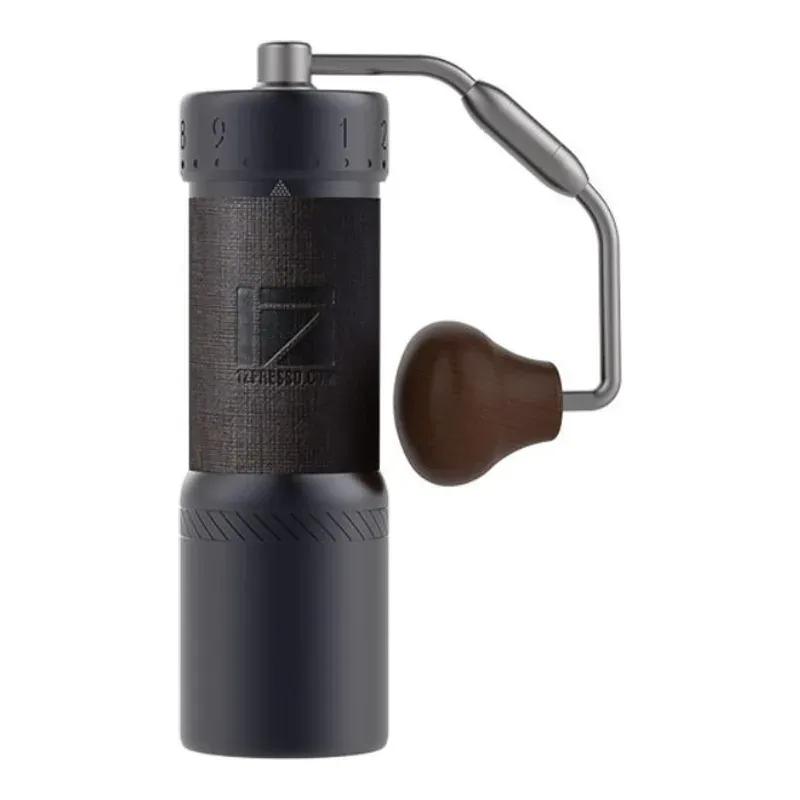
1Zpresso
1Zpresso J-Ultra
Fine steps, an outside dial and almost no retention for about $219. The price is thirty to sixty seconds of cranking per shot.
- Burrs
- 48 mm conical, stainless steel
- Adjustment
- External dial, fine steps
- Built for
- Espresso
The best grinders under $300 reads the whole range by budget. This guide asks a narrower question: what does espresso demand of a grinder that filter does not? Answer that, and the choice between three very different machines becomes a choice about how you make coffee.
Why espresso is the hard case
A filter brew runs for three or four minutes under gravity. Grind a little coarse and it drains a little fast, and the cup is still drinkable.
An espresso runs for 25–30 seconds with the water forced through a packed puck. A small move in grind size moves the shot by several seconds, and several seconds is the difference between sour and balanced. The window is narrow, and the grinder has to make small moves inside it, repeatably, dose after dose. Everything below follows from that. When a shot goes wrong anyway, the troubleshooting table reads the symptoms.
Adjustment resolution
Range is not the problem. Nearly any burr grinder goes fine enough. The problem is how many usable positions sit inside the espresso window. A grinder with forty steps spread from Turkish to French press may have two or three of them where espresso lives. That is not a grinder you can dial in with; it is a grinder you choose a dose around.
So the first question for any espresso grinder is how finely it moves where it matters. A grinder built for espresso spends its steps there.
Stepped or stepless
Stepped means fixed clicks. The advantage is memory: setting 12 is setting 12 next week. The risk is the bag whose right setting falls between 11 and 12. You then adjust dose or ratio to compensate, which works, and which is a workaround.
Stepless means any position on a continuous collar. There is no gap between clicks, so there is always a right setting. The cost is finding it again: a marker on the collar, a note on the bag, a habit. Moving from espresso to filter on a stepless grinder takes many turns, so in practice it becomes an espresso-only grinder.
On a single-boiler machine with a medium roast, good steps are enough. On a machine that holds temperature, with light roasts, stepless starts to pay. The boiler types article explains why the machine changes the answer.
Retention, single dosing and hoppers
Retention is coffee left inside the grinder after grinding. It comes out with the next dose. In filter, half a gram of yesterday’s coffee in 20 g is noise. In espresso it is a stale share of a dose that will be judged to the gram and the second.
There are two ways to live with a grinder:
- Single dosing. You weigh the beans, put them in, grind them all. What goes in must come out, so retention has to be low. Changing coffee is free.
- Hopper. Beans live on top of the grinder and you grind by time. Retention matters less if you drink one coffee and purge a little after a pause. Changing coffee costs a purge and some waste.
Timed dosing is convenient, and a time is not a weight. Grind into the portafilter on the scale while dialling in, then trust the timer.
Burr size, and flat or conical
Bigger burrs cut more coffee per turn, with less heat and fewer fines. Forty millimetres is a working minimum for espresso on an electric.
Shape follows price. Under $300, conical, because flat sets at that price are smaller and softer than the conicals they compete with. Around $450, a 55 mm hardened steel flat set is no longer the compromise version. Flat burrs give a clearer, more separated shot; conical burrs give body and forgiveness. Conical or flat burrs has the long version. Neither is better. One suits a bright single origin, the other a dark blend with milk.
Three profiles
The stepped budget electric: Baratza Encore ESP
About $199. 40 mm conical burrs, a geared DC motor that holds its speed, forty steps for espresso and twenty for filter. Retention is low, which makes it a good single-dosing grinder: weigh, grind, done. There is no timer, and with single dosing you do not need one.
Its limit is the step. Most bags land on a click. Some do not, and you compensate with dose. It also does filter properly, which none of the other two do without fuss. Buy it for a first espresso machine, or to share one grinder between espresso and filter. The full review works through where the limit bites.
The stepless flat-burr hopper grinder: Eureka Mignon Specialità
About $449. 55 mm flat hardened steel burrs, stepless adjustment, timed dosing with two presets, and an insulated body that keeps it quiet for its class. It is built as a hopper grinder: beans on top, a time per dose, grind into the portafilter.
The trade-offs are the ones a hopper grinder brings. Some grounds stay in the chute between doses, so the first shot after a long pause carries old coffee and a small purge is worth it. It can be single dosed, less cleanly than a grinder designed for that. And the grounds come out clumpy, so a needle distribution tool before tamping earns its place. None of that is a defect. It is what you accept for stepless flat burrs at this price.
Buy it for a machine that holds temperature, one coffee at a time, and an interest in what flat burrs do to a light roast. More on the maker on the Eureka page.
The hand grinder: 1Zpresso J-Ultra
About $219. 48 mm conical burrs, an outside numbered dial, steps fine enough that the gap between two rarely shows in the cup. Retention is close to zero, because the path from burr to cup is short and vertical. Single dosing is the only way it works, and it works well.
The price is effort: thirty to sixty seconds of firm cranking per shot. One or two espressos a day is comfortable. Three milk drinks for guests is not. The hand grinder guide places it against the other hand grinders.
Side by side
| Encore ESP | Mignon Specialità | J-Ultra | |
|---|---|---|---|
| Price | About $199 | About $449 | About $219 |
| Burrs | 40 mm conical | 55 mm flat | 48 mm conical |
| Adjustment | Stepped | Stepless | Fine steps, outside dial |
| Dosing | Single dose, by weight | Hopper, timed | Single dose, by hand |
| Retention | Low | Some, purge after a pause | Close to zero |
| Also does filter | Yes | Awkwardly | Yes, with more turns |
| Gives up | Settings between clicks | Price, clumping | Time and effort |
Read the last row first. Each of the three gives something up, and the right one is the grinder whose weakness you will not notice in your kitchen.